

联合国教科文组织保护非物质文化遗产政府间委员会于 12 月 2-6 日在亚松森(巴拉圭)举行会议,在 90 个国家的倡议下,63 项新内容被列入非物质文化遗产名录。
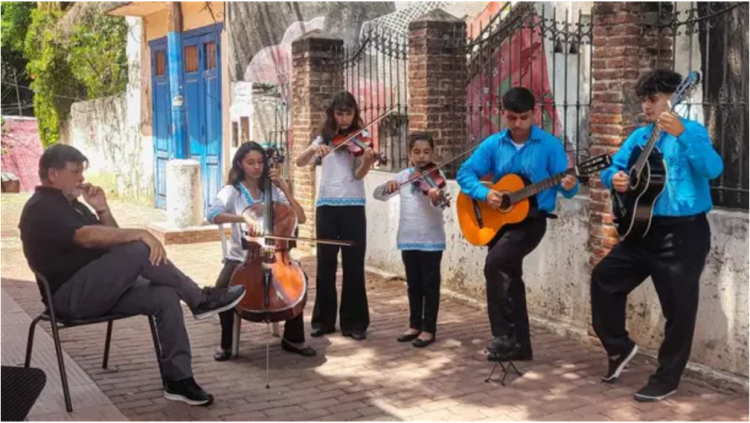 Victor Segovia, 2023
会议结束时,委员会的 24 个会员国决定列入 63 项新的文化内容,其中包括
-
2 项遗产列入《急需保护的非物质文化遗产名录》;
-
58 项遗产列入《人类非物质文化遗产代表作名录》;
-
3 项列入《保护非物质文化遗产优秀实践名册》。
随着这些新项目的列入,150 个国家的 788 项文化习俗现已成为教科文组织活态遗产的一部分。
由于列入名录后采取的保护措施产生了积极影响,3 项遗产也从 “急需保护的非物质文化遗产名录 ”转入“人类非物质文化遗产代表作名录”。
本《公约》重塑了遗产的概念,使物质遗产和非物质遗产、场所和实践现在变得密不可分。有了这 63 项新的实践和传统,我们的《公约》继续创造奇迹,不仅将我们这一代人与所有前人联系在一起,而且还不断加强《公约》183 个缔约国之间的联系。
—— 奥德蕾·阿祖莱
联合国教科文组织总干事
《人类非物质文化遗产代表作名录》新增项目(东亚地区)
(依照国家英文首字母顺序排序)
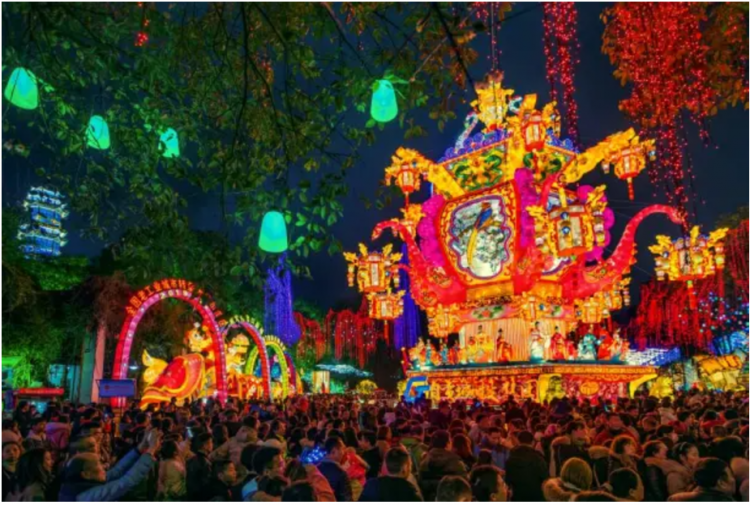
中国春节——中国人庆祝传统新年的社会实践在中国,春节标志着新年的开始,以传统历法正月初一为岁首。春节前后,人们开展一系列社会实践,辞旧迎新,祈福纳祥,欢庆家庭团圆,促进社区和睦,这一庆祝过程俗称“过年”。除参加公共庆典外,人们祭祀天地和祖先,并向长辈、亲友及邻里拜年,表达美好祝愿。该遗产项目为中国民众提供了认同感和持续感。
 世界地球日朝鲜朝鲜服饰习俗,传统知识、技能与社会实践
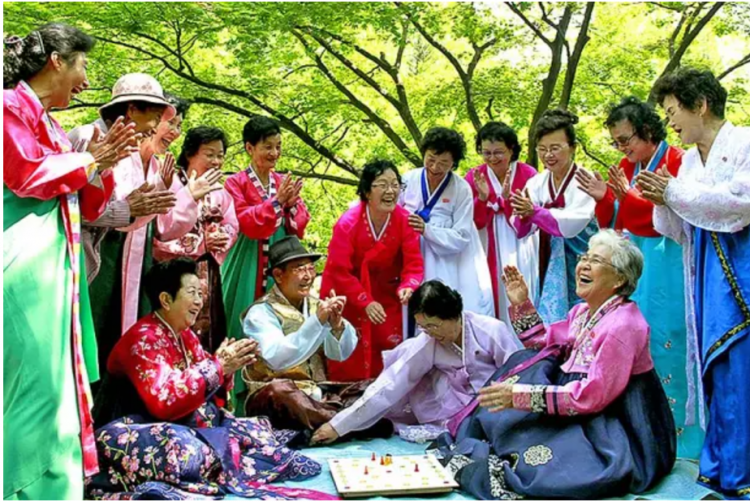
朝鲜传统服饰由短上衣和裙子或裤子组成,搭配大衣、马甲等应季外衣,并可辅以胸花等配饰。其采用丝绸、苎麻、棉布等天然面料制成,常在节假日等各类场合穿着,并多出现于艺术和文学作品之中。该传统使人们相聚一堂,传递出深厚的文化归属感、身份认同与延续性。
 世界地球日
世界地球日日本日本使用米麹菌酿酒的传统知识和技能
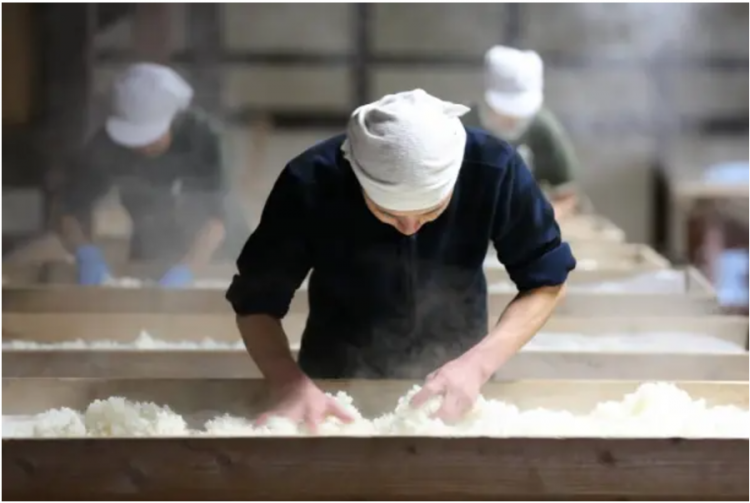
清酒是一种由谷物和水酿制的酒精饮料,深深植根于日本文化。酿酒师使用米麹菌将原料中的淀粉转化为糖。他们监督这一过程,以确保菌类在最佳条件下生长,并根据需要调节温度和湿度。他们的工作决定了清酒的质量。清酒被视为神灵赐予的神圣礼物,在节日、婚礼、成人仪式和其他社会文化场合中必不可少。
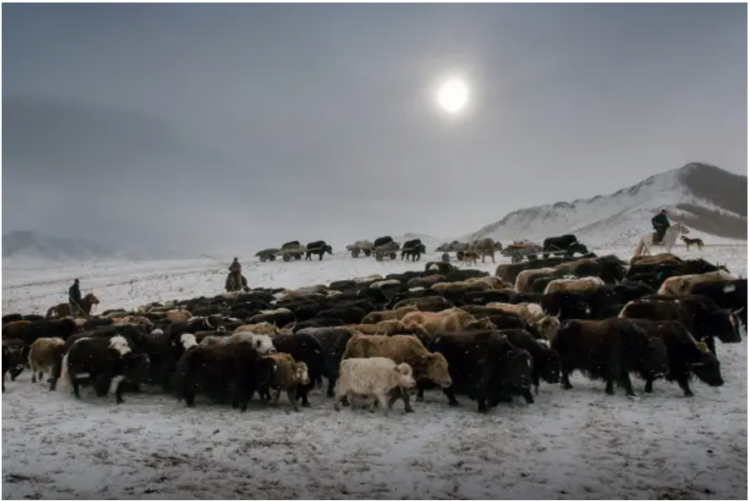
 世界地球日蒙古蒙古游牧迁徙及相关习俗
蒙古游牧文化根植于牧场、牲畜和牧民之间的相互依存关系。牧民家庭在牧场之间迁徙,让草场有时间恢复生机。户主选择好迁徙日期后,全家会一起动手为搬迁做准备,例如清理场地和清点牲畜。然后女主人穿上盛装,在迁徙过程中领路,以表达对大自然的感激和尊重。
 世界地球日
世界地球日韩国韩国制酱相关的知识、信仰与实践
酱是韩国饮食的基础,包括大酱、酱油、辣椒酱等发酵调味品。这些酱料可以搭配蔬菜、鱼类和肉类食用,也常用于食品的保存。酱的配方因家庭而异,被认为承载着每个家族的历史和传统。有些家庭会储存陈年酱油长达数十年,以保持食物风味的一致性。
 世界地球日
世界地球日名录变更中国黎族传统纺染织绣技艺
中国海南省黎族妇女采用黎族传统纺织技术,将棉和麻等纤维制作纺织品。这些技术包括纺纱、染色、织布、刺绣。织成品上的图案记录了黎族文化中的历史和传说,以及崇拜、禁忌、信仰、传统和民俗等方面的内容。它们是黎族文化遗产不可或缺的一部分,帮助族群强化共同的历史记忆和文化认同。
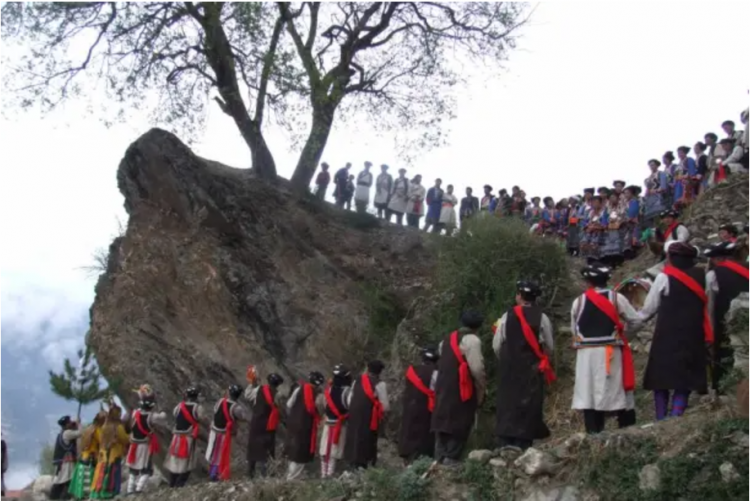
 世界地球日中国羌年
羌年在农历十月的第一天到来。这是生活在中国四川省的羌族人民的传统节日,他们以庆祝活动表达对自然的感激和敬畏,重申与自然的关系以及促进社会和家庭和谐。在 2008 年震灾后,该节日作为羌族人民与其他族群对话和交流的平台,在重建信仰和社区方面发挥了关键作用,同时提高了人们对粮食安全和环境保护的认识。
 世界地球日
世界地球日中国中国木拱桥传统营造技艺
木拱桥分布在中国东南沿海的福建省和浙江省。建造木拱桥是木工的生计来源,桥梁及传统营造技艺是当地乡村文化生态系统不可或缺的一部分。这些木拱桥既是交通要道,也是文化空间,增强了社区和谐和文化认同。当地社区和男女木工共同参与木拱桥的建造、维护、使用,同时亦参与相关民间习俗。
 世界地球日
世界地球日各国加强对非物质文化遗产的承诺
本届委员会会议有来自 120 个国家的 900 多名与会者,是委员会成立以来规模第二大的一届会议,反映出非物质文化遗产日益受到重视。
在今年提交的内容中,有 16 项是由 62 个国家提交的多国申遗,比上届会议增加了三分之一。本届 2024 年会议还标志着 5 个国家的非遗首次列入名录:文莱达鲁萨兰国、加纳、缅甸、卢旺达和索马里。
这些国家的申遗反映了《非物质文化遗产公约》在加强国家间对话与合作方面发挥着日益重要的作用,也反映了它们将这一非物质文化遗产推广到国境之外的共同愿望。
在本届会议上,非洲有 12 个国家将 9 项遗产列入《公约》,另有两个国家宣布批准《公约》: 塞拉利昂和南非,从而确认了非洲对保护其非物质文化遗产的承诺。
非物质文化遗产是社会凝聚力的核心
今年入选遗产名录的许多遗产都体现了非物质文化遗产加强社会联系的能力。在这方面,44%的非物质文化遗产有助于建立更具包容性的社会,因为它们以团结的精神促进了社区内部的融合,或者因为它们采取了与社区和家庭环境相关的节日社交聚会、成人仪式或典礼的形式。至少有 13 项内容是在家庭范围内传承的。
今年入选的 11 种烹饪实践也促进了共同生活。通过创造分享和欢聚的时刻,它们越来越被视为代际之间的重要桥梁,将社区凝聚在一起。
委员会下届会议将于 2025 年 12 月在印度新德里举行。
更多信息:
-
联合国教科文组织非物质遗产名录2024新入选项目
https://www.unesco.org/en/intangible-cultural-heritage/committee-2024?hub=701
-
《联合国教科文组织保护非物质文化遗产公约》
https://ich.unesco.org/convention
-
什么是非物质文化遗产?
https://ich.unesco.org/en/what-is-intangible-heritage-00003
-
往期回顾:
资讯快递 | 2024年非物质文化遗产委员会会议进行中,中国春节列入非遗名录
UNESCO Intangible Heritage: 63 New Inscriptions
The UNESCO Intergovernmental Committee for the Safeguarding of the Intangible Cultural Heritage, meeting in Asunción (Paraguay) from 2 to 6 December, inscribed 63 new elements on the Lists of Intangible Cultural Heritage, at the initiative of 90 countries.
Victor Segovia, 2023At the end of the debates, the 24 Member States of the Committee decided to inscribe 63 new cultural elements, including:
-
2 elements on the List of Intangible Cultural Heritage in Need of Urgent Safeguarding;
-
58 elements on the Representative List of the Intangible Cultural Heritage of Humanity;
-
3 programmes on the Register of Good Safeguarding Practices of Intangible Cultural Heritage.
With these new inscriptions, 788 cultural practices in 150 countries are now part of UNESCO's living heritage.
In response to the positive impact of the safeguarding measures put in place since their inscription, 3 elements have also been transferred from the List of Intangible Cultural Heritage in Need of Urgent Safeguarding to the Representative List of the Intangible Cultural Heritage of Humanity.
The new 2024 inscriptions in East Asia
ChinaSpring festival, social practices of the Chinese people in celebration of traditional new yearIn China, the spring festival marks the beginning of the new year. It falls on the first day of the Chinese calendar and involves a variety of social practices to usher in the new year, pray for good fortune, celebrate family reunions and promote community harmony. This process of celebration is known as ‘guonian’ (crossing the year). In addition to participating in the public festivities, people make offerings and extend greetings to elders, relatives, friends and neighbours.
世界地球日Democratic People's Republic of KoreaCustom of Korean costume: traditional knowledge, skills and social practices in the Democratic People's Republic of Korea
The Korean costume is an outfit comprised of a jacket and a skirt or trousers. It is completed with seasonal overclothes, including an overcoat and a waistcoat, and may include other accessories such as a breast ribbon. The costume is created using natural fabrics such as silk, ramie and cotton. Often referenced in art and literature, it is used on many occasions, including festivals and holidays. The Korean costume brings people together, instilling a sense of cultural belonging, identity and continuity.
世界地球日JapanTraditional knowledge and skills of sake-making with koji mold in Japan
Sake is an alcoholic beverage made from grains and water that is deeply rooted in Japanese culture. Craftspeople use koji mold to convert the starch in the ingredients into sugar. They oversee the process to make sure the mould grows in optimal conditions, adjusting the temperature and humidity as needed. Their work determines the quality of the sake. Viewed as a sacred gift from deities, sake is indispensable in festivals, weddings, rites of passage and other socio-cultural occasions.
世界地球日MongoliaMongol nomad migration and its associated practices
Mongolian nomadic culture is rooted in the interdependence between pastures, livestock and herders. Herder families move between pastures to give the earth time to rejuvenate. The head of the household selects the date to relocate, and the family works together to prepare for the migration, such as by cleaning the area and preparing the animals. The wife then dresses in her finest clothes and leads the way during the migration to show her gratitude and respect for Mother Nature.
世界地球日Republic of KoreaKnowledge, beliefs and practices related to jang making in the Republic of Korea
Jang are fermented sauces – such as soybean paste, soy sauce and red chili paste – that form the basis of the Korean diet. Jang sauces can be paired with vegetables, fish and meat. They can also be used to preserve food. The recipes vary from one household to the next and are believed to embody each family’s history and traditions. For instance, some families store aged soy sauce for decades to keep the taste of the food constant over time.
世界地球日
-
More information on the new 2024 inscriptions:
https://www.unesco.org/en/intangible-cultural-heritage/committee-2024?hub=701
This Convention has reinvented the very notion of heritage, to the extent that tangible and intangible heritage, places and practices, are now inseparable. With these 63 new practices and traditions, our Convention continues to achieve wonders, not only by linking our generation to all those that have gone before, but also by constantly strengthening the links between the 183 States Parties to the Convention.
—— Audrey Azoulay,
UNESCO Director-General
Increased commitment by States to living heritage
With over 900 participants from 120 countries, this session of the Committee was the second largest since its creation, reflecting the growing importance attached to intangible cultural heritage.
Among the elements presented this year, 16 were multinational inscriptions submitted by 62 countries, an increase of one third compared to the previous session. This 2024 session also marks the first inscription for 5 countries: Brunei Darussalam, Ghana, Myanmar, Rwanda and Somalia.
These inscriptions reflect the growing role of the Intangible Cultural Heritage Convention in strengthening dialogue and cooperation between States, as well as their shared desire to promote this living heritage beyond their national borders.
Africa's commitment to safeguarding its living heritage was confirmed at this session with the inscription of 9 elements by 12 countries and the announcement of the ratification of the Convention by two additional countries: Sierra Leone and South Africa.
Intangible cultural heritage at the heart of social cohesion
Many of the elements inscribed this year illustrate the capacity of intangible cultural heritage to strengthen social ties. In this respect, 44% of them contribute to more inclusive societies, either because they foster integration within communities in a spirit of solidarity, or because they take the form of festive social gatherings, rites of passage or ceremonies linked to the community and the family setting. At least 13 elements are passed on within the family circle.
The 11 culinary practices inscribed this year also promote living together. By creating moments of sharing and conviviality, they are increasingly seen as essential bridges between the generations, bringing communities together.
The next meeting of the Committee will take place in December 2025 in New Delhi, India.
版权声明:【除原创作品外,本平台所使用的文章、图片、视频及音乐属于原权利人所有,因客观原因,或会存在不当使用的情况,如,部分文章或文章部分引用内容未能及时与原作者取得联系,或作者名称及原始出处标注错误等情况,非恶意侵犯原权利人相关权益,敬请相关权利人谅解并与我们联系及时处理,共同维护良好的网络创作环境,联系邮箱:603971995@qq.com】