

01.
以线为笔,雕琢千年文化印记
With the thread as the brush, carve out the thousand-year-old cultural marks
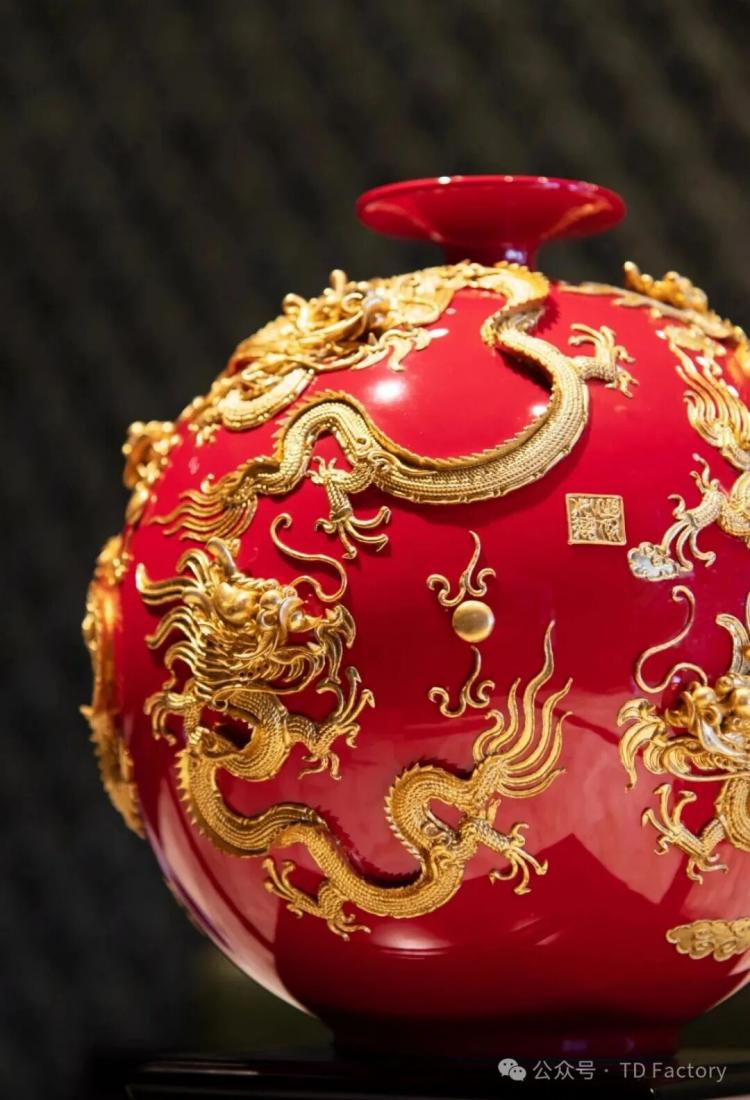
非遗漆线雕是福建厦门特色工艺,以漆线盘绕、堆叠塑造纹样,常饰于佛像、器物表面。成品线条细腻如丝、鎏金璀璨,兼具宗教庄严感与艺术美感,是闽南文化与传统技艺融合的瑰宝。
Xiamen's intangible cultural heritage lacquer wire carving is a distinctive craft in Fujian Province. It creates patterns by winding and stacking lacquer wires, and is often applied to the surfaces of Buddha statues and other objects. The finished product has fine lines as smooth as silk and is gilded with brilliant colors. It combines the solemnity of religion with artistic beauty, and is a precious treasure reflecting the integration of local culture and traditional craftsmanship in southern Fujian.
2006 年,“厦门漆线雕技艺” 被正式列入第一批国家级非物质文化遗产名录,标志这一源于闽南的传统工艺获全国性认可。此后,其技艺传承与创新受重视,成为展现闽南文化的重要载体。
In 2006, "Xiamen Lacquer Wire Carving Art" was officially included in the first batch of the National Intangible Cultural Heritage List, marking the nationwide recognition of this traditional craft originating from southern Fujian. Since then, the inheritance and innovation of this art have received attention, and it has become an important carrier for showcasing the culture of southern Fujian.
02.
制造过程
manufacturing process
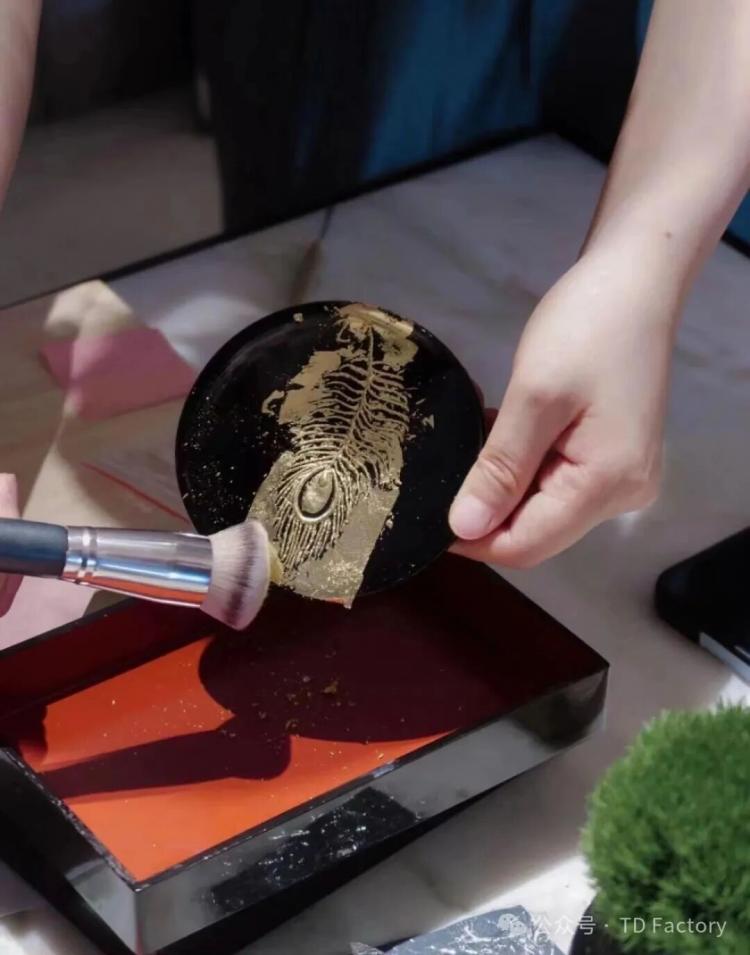
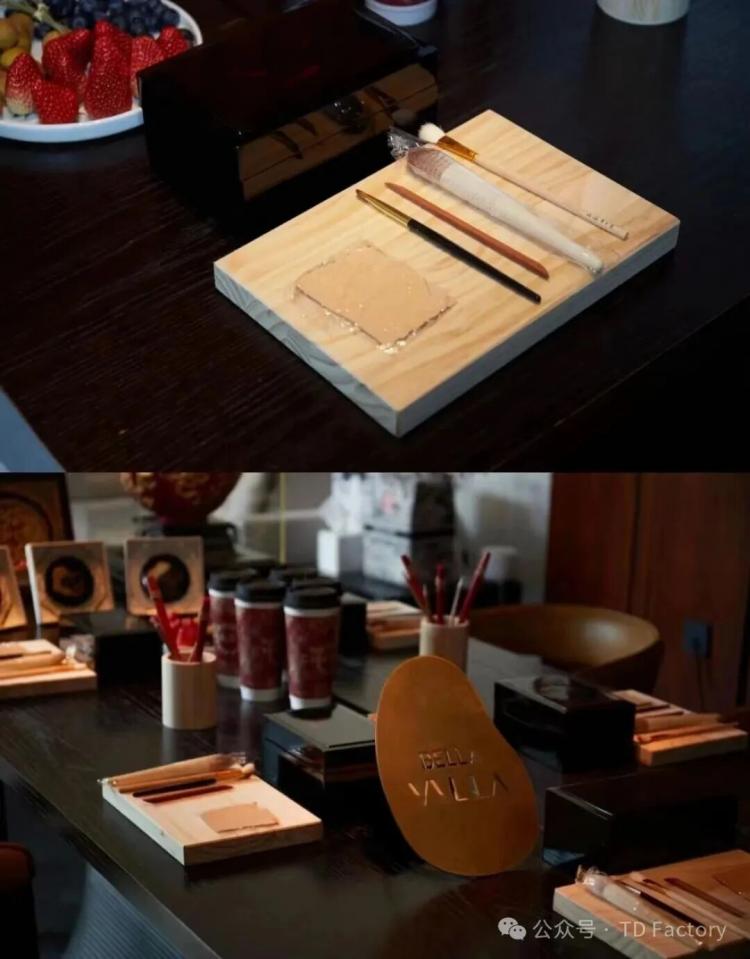
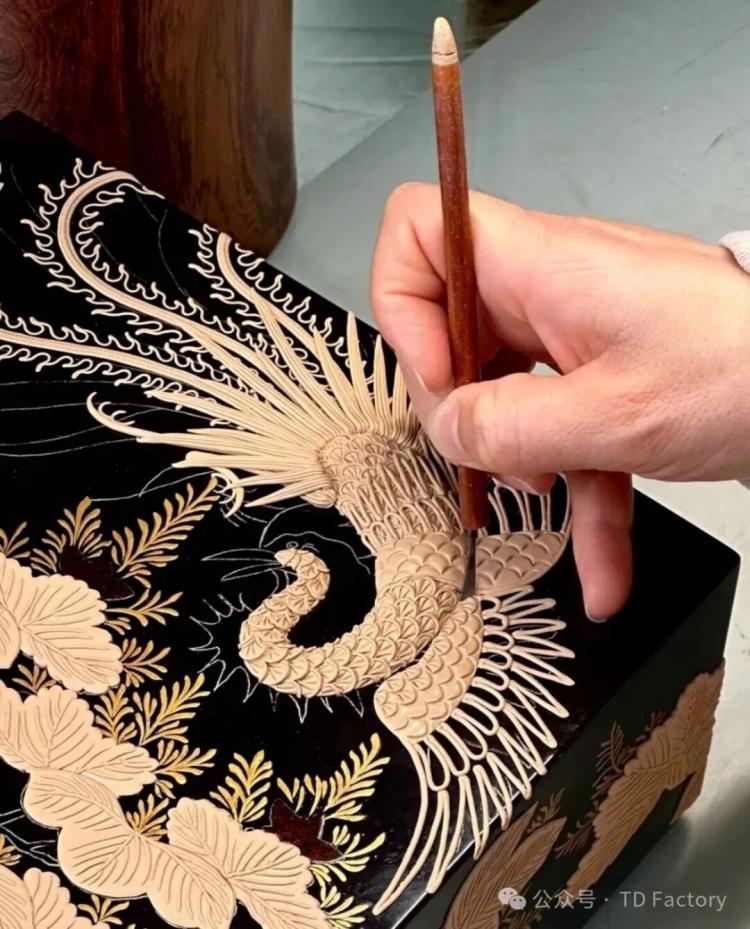
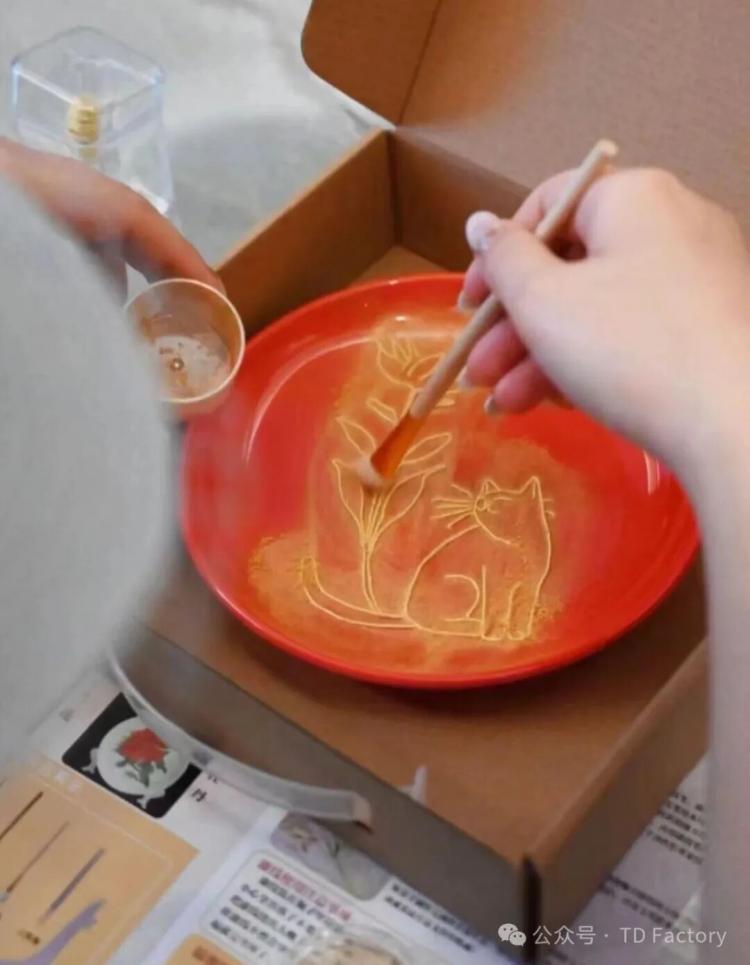
先制漆线:将生漆、桐油、细纱按比例混合,反复揉打至柔韧,搓成粗细不一的漆线;接着设计:依器物形态或题材绘底稿,确定纹样布局。
Preparation of lacquer thread: Mix raw lacquer, tung oil and fine silk in a certain ratio, knead them repeatedly until they become flexible, and then twist them into threads of different thicknesses; Next, design: Based on the shape or theme of the object, draw the draft, and determine the layout of the patterns.
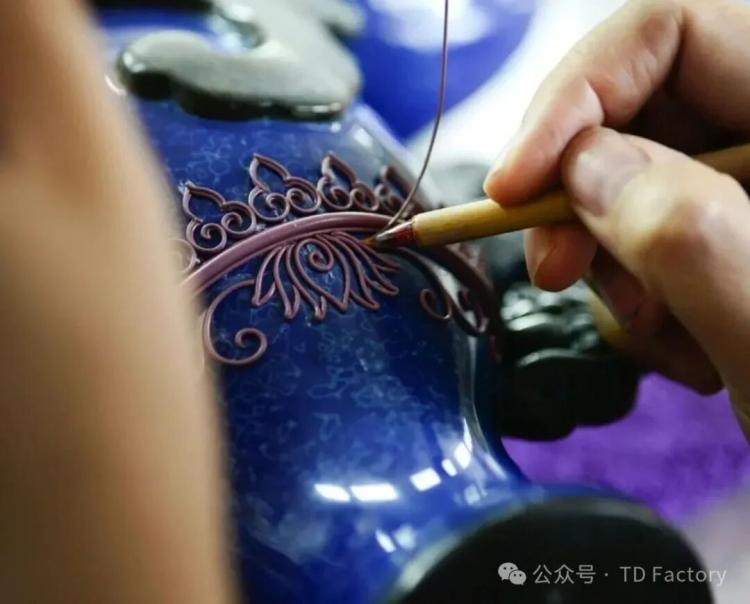
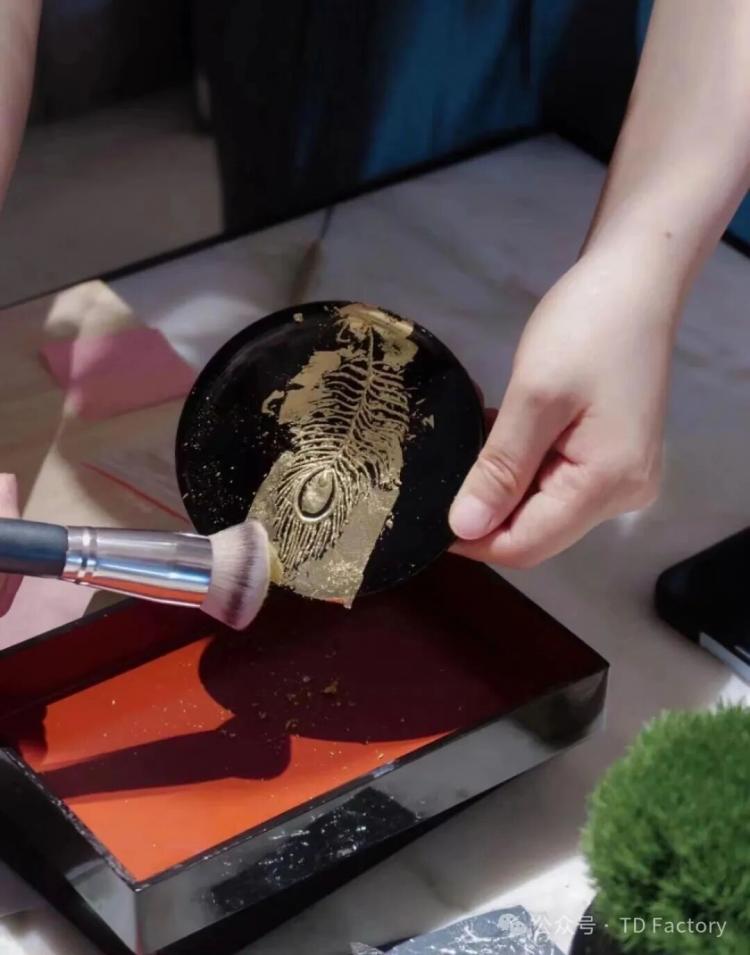
随后盘线:匠人用镊子将漆线按底稿盘绕、堆叠,塑造出浮雕般的纹样,细节处需精准把控线条弧度与疏密;再经固化:将盘好线的器物阴干,使漆线定型;最后鎏金:在纹样表面涂刷金箔或金粉,经打磨提亮,让成品尽显华贵,全程需数月,考验匠人耐心与技艺。
Subsequent to the winding process: The artisan uses tweezers to wind and stack the lacquer threads according to the draft, creating a relief-like pattern. The curvature and density of the lines need to be precisely controlled at the details; then it undergoes curing: The object with the wound threads is dried in a dark place to set the shape of the lacquer threads; finally, gilding: A layer of gold foil or gold powder is applied to the surface of the pattern, and then polished to enhance the luster, making the finished product extremely luxurious. The entire process takes several months and tests the patience and skills of the artisan.
03.
非遗漆线雕的发展与总结
The Development and Summary of Intangible Cultural Heritage Lacquer Line Carving
漆线雕起源于唐代,最初用于佛像装饰,明清时技艺成熟并融入民间器物,近现代经创新,从宗教用途拓展至艺术摆件,成为兼具传统与现代审美的非遗工艺。
Lacquer wire carving originated in the Tang Dynasty. Initially, it was used for decorating Buddha statues. During the Ming and Qing dynasties, the craftsmanship matured and was integrated into folk objects. In modern times, through innovation, it expanded from religious use to art ornaments, becoming an intangible cultural heritage craft that combines traditional and modern aesthetics.

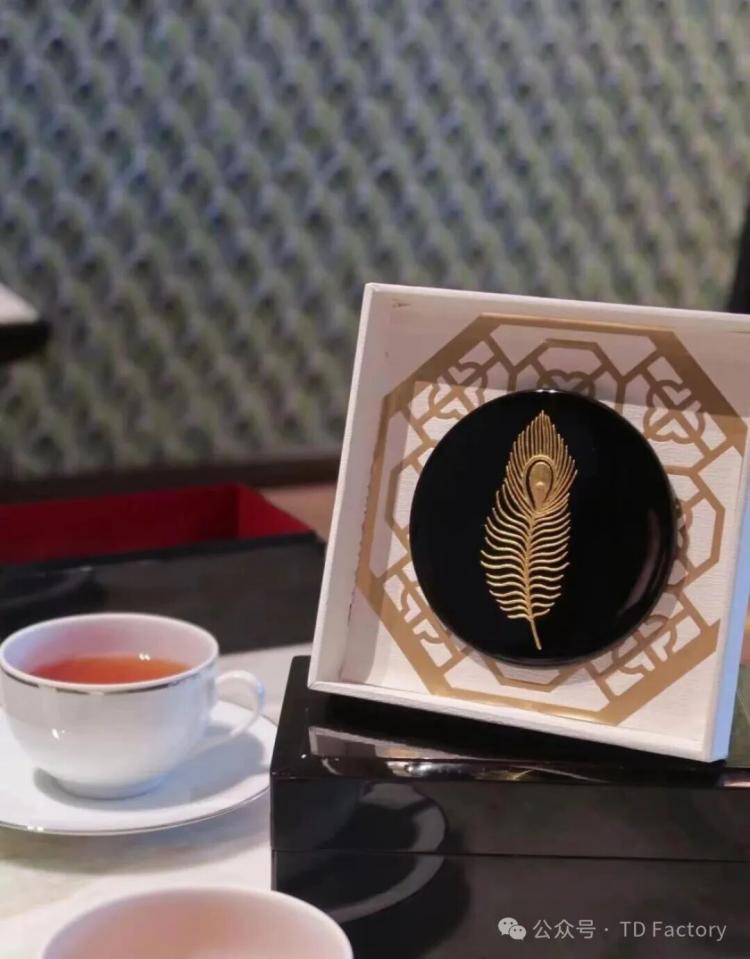
漆线细腻如丝却显立体,鎏金光泽璀璨,纹样精巧繁复,兼具宗教肃穆与艺术灵动,尽显闽南传统工艺的高超水准。
The lacquer lines are as delicate as silk yet have a three-dimensional effect. The gold plating gives off a brilliant luster. The patterns are intricate and complex, combining the solemnity of religion with the liveliness of art, fully demonstrating the superb level of traditional craftsmanship in southern Fujian.
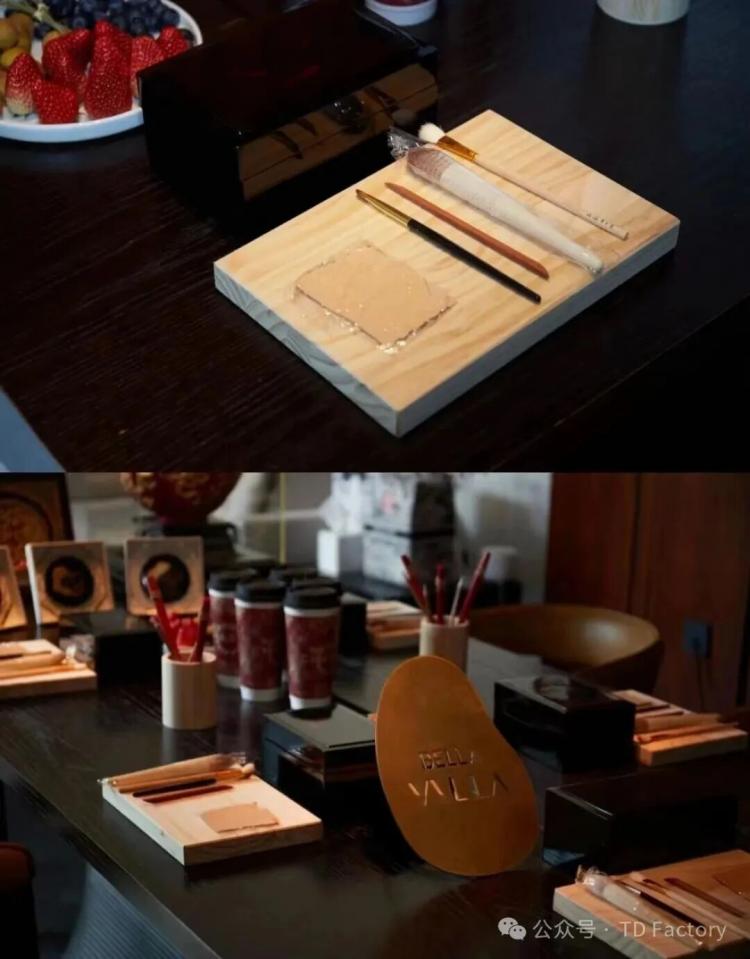
非遗漆线雕以漆为料、以线为形,融宗教与艺术,是闽南匠心的结晶,今以非遗身份传承,承载地域文化记忆。
The intangible cultural heritage lacquer thread carving uses lacquer as the material and thread as the form, integrating religion and art. It is the crystallization of the craftsmanship of the people in southern Fujian. Now, it is passed down as an intangible cultural heritage, carrying the memory of regional culture.
版权声明:【除原创作品外,本平台所使用的文章、图片、视频及音乐属于原权利人所有,因客观原因,或会存在不当使用的情况,如,部分文章或文章部分引用内容未能及时与原作者取得联系,或作者名称及原始出处标注错误等情况,非恶意侵犯原权利人相关权益,敬请相关权利人谅解并与我们联系及时处理,共同维护良好的网络创作环境,联系邮箱:603971995@qq.com】