

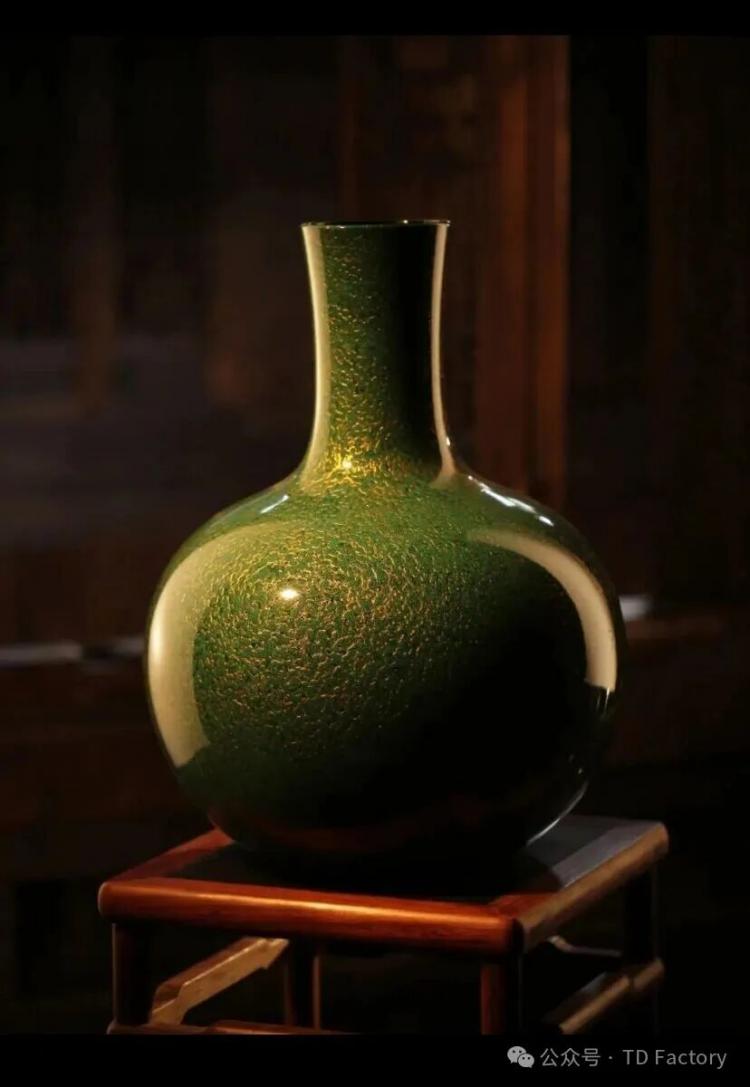
2008年6月4日,徽州漆器髹饰技艺,由安徽省黄山市屯溪区申报,经国务院批准,列入第二批国家级非物质文化遗产名录,传统技艺类,漆器髹饰技艺项目下,编号Ⅷ-127。
origin
徽州漆器髹饰艺
传承/文化/非遗
Origin
历史渊源
徽州漆器早期主要产于安徽省歙县、岩寺(现徽州地区)等地,距今已有一千多年的历史。其中的螺甸漆器至宋代已相当成熟,被誉为“宋嵌”。
Huizhou lacquerware was primarily produced in areas such as Xi County and Yan Temple (now part of the Huizhou region) in Anhui Province. It has a history of more than 1,000 years. Among them, the shell lacquerware reached a highly developed stage during the Song Dynasty and was hailed as "Song Embossed."
菠萝漆产品在南宋曾被用作贡器。明清两代,漆器工艺空前发展,雕漆、漆画、金漆、雕填、戗金、螺甸、百宝镶嵌等争奇斗艳,蔚为大观。明代徽州漆工黄成总结漆器制作经验,著成《髹饰录》一书,这是中国古代唯一流传至今的漆工专著。此书还通过文化交流远传日本,对日本的民间手工艺生产产生了一定影响。
Pineapple lacquer products were used as tribute objects in the Southern Song Dynasty. During the Ming and Qing dynasties, the lacquer craftsmanship developed unprecedentedly, and carved lacquer, painted lacquering, gold lacquered, carved carvings, gilding, skeleton carvings, and treasure staining were spectacular. Huang Cheng, a painter in Huizhou in the Ming Dynasty, summed up his experience in the production of paintware and wrote a book called "The Book of Painting," the only work by a paintmaker in ancient China that has survived to this day. The book also spread to Japan through cultural exchanges and had a certain impact on the production of Japanese folk handicrafts.
随着现代社会生活的变迁,漆器髹饰技艺复杂,学艺时间长,劳动条件艰苦,现在愿意从事这一行业的人不多,技艺后继乏人现象严重,亟待保护。
With the changes in modern social life, the technique of lacquerware decoration is complex, requires a long period of learning, and the labour conditions are harsh. As a result, there are not many people willing to engage in this industry nowadays. The situation of a lack of successors for this skill is severe and requires urgent protection.
徽州漆器
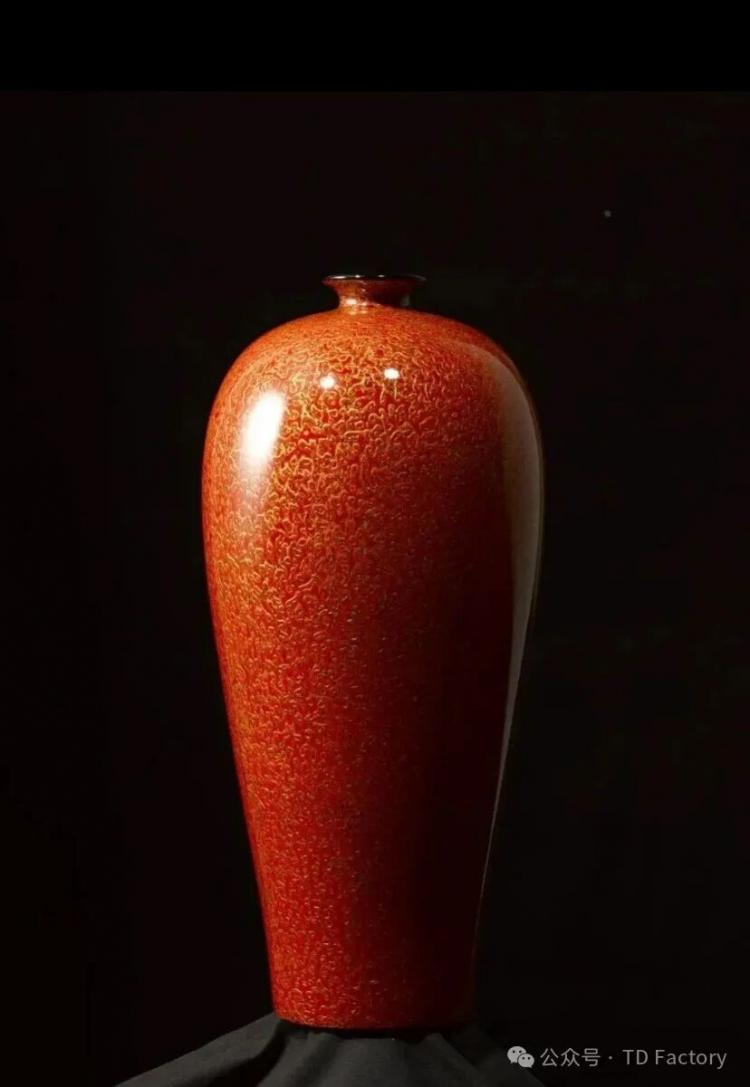
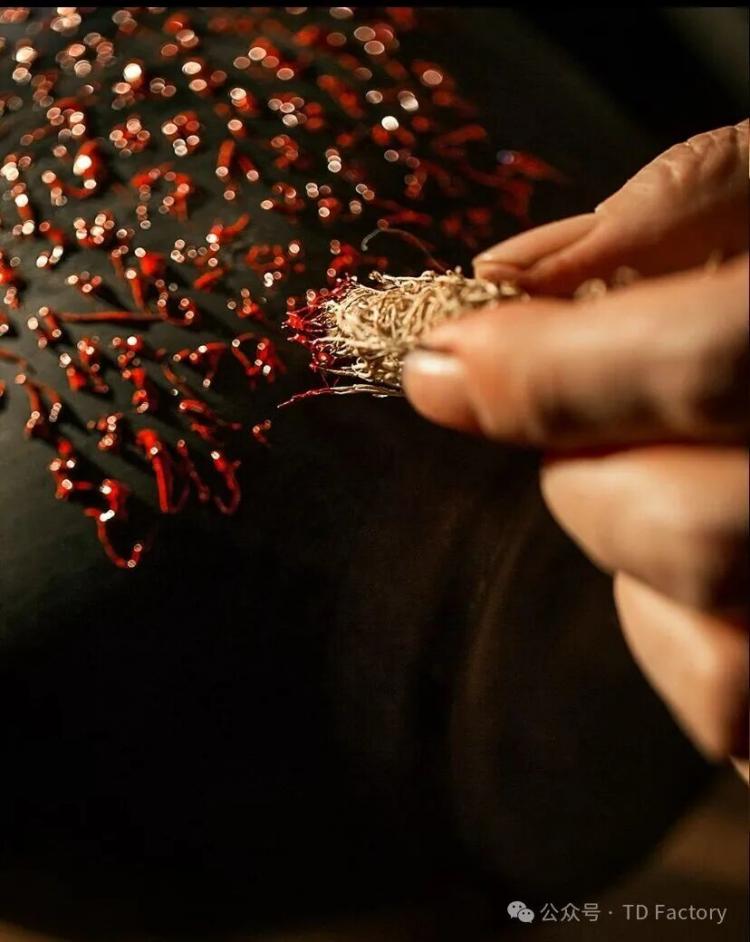
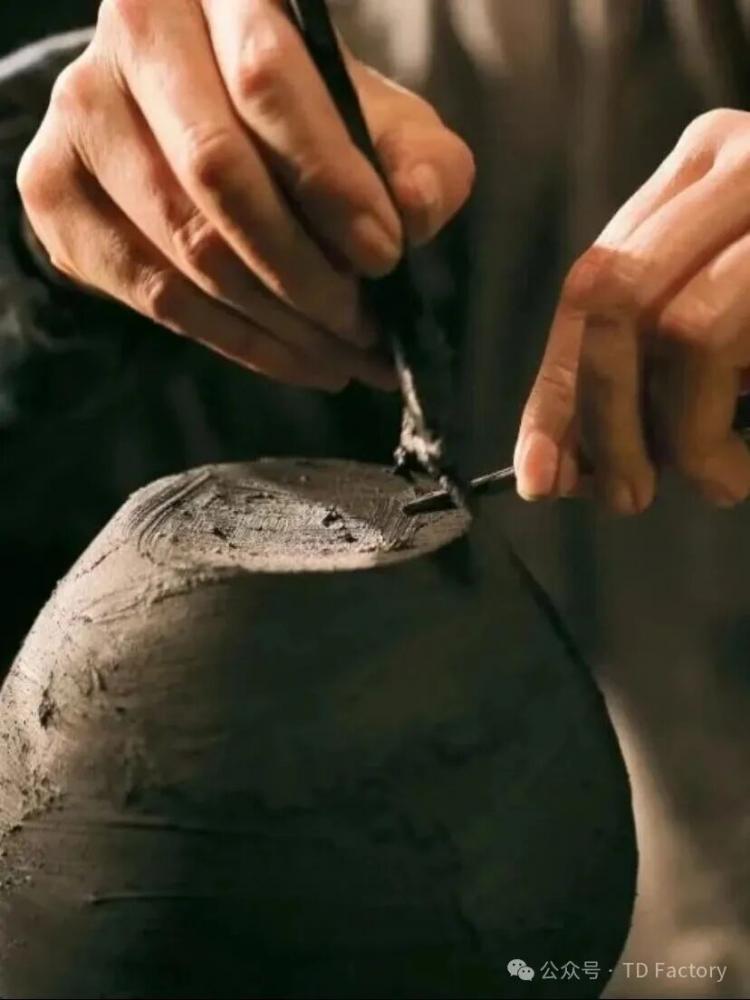
制作工艺
1.画稿:绘制设计好的图案或样式。
1. Sketching: Creating a visual representation of a designed pattern or style.
2.拉石膏坯:调制石膏并覆盖在模具上,拉制石膏模型。
2. Creating a plaster mould: Prepare the plaster and cover it over the mould before shaping the plaster model.
3.修坯:多次观察并修改石膏模型,直至满意。
3. Shaping: Observe and refine the plaster model multiple times until it meets expectations.
4.调漆:使用古瓦片粉末与大漆调和制成漆灰。
4. Colour Adjustment: Mixing the powder of ancient tile fragments with high-quality lacquer to create a specialised coating known as "lacquered ash."
5.批灰:将漆灰一层层均匀地刷在石膏胎上。
5. Sanding: Apply layers of paint-based sanding compound evenly onto the plaster base.
6.裱布:在胎骨上使用麻布进行裱布,增强稳固性。
6. Lining: Applying a linen layer on the framework to enhance stability and durability.
7.脱胎:取出胎骨内的填充物,仅留漆、夏布、漆灰组成的胎骨。
7. Transformation: Removing the filling material from the mould core, leaving only the mould core composed of lacquer, hemp cloth, and lacquer ash.
8.打埝:在胎骨上制作凹凸纹理,即“埝”。
8. Creating texture: Applying raised and recessed patterns on the framework of the piece, known as "texture."
9.贴金:使用金箔代替黄色色漆,创造金斑犀皮漆。
9. Gold plating: Using gold leaf instead of yellow paint to create a golden mottled suede-like finish.
10.髹色漆:在打好埝的胎骨上,髹涂不同颜色的色漆。
10. Lacquering: Applying different colored lacquers to the moulded base that has already been prepared.
11.打磨:对器物进行打磨,使其光滑、平整。
11. Polishing: Refining the surface of an object to make it smooth and even.
12.抛光:对器件表面进行抛光处光亮、平整效果。
12. Polishing: Polishing the surface of the device to achieve a bright, smooth appearance.
文化传承
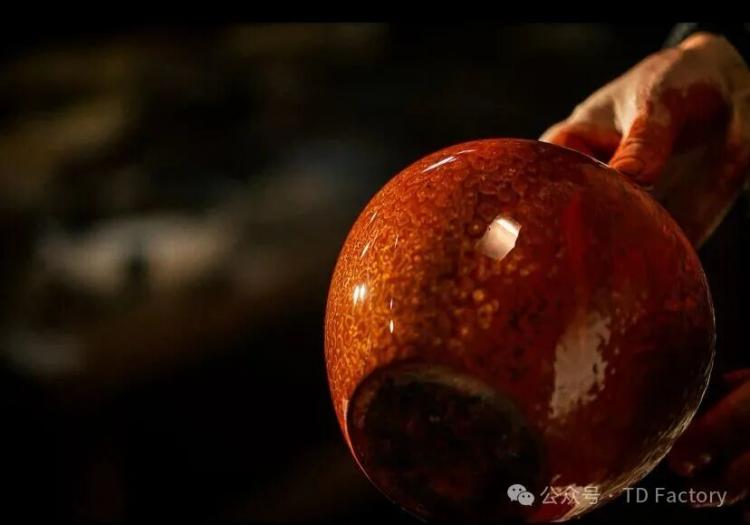
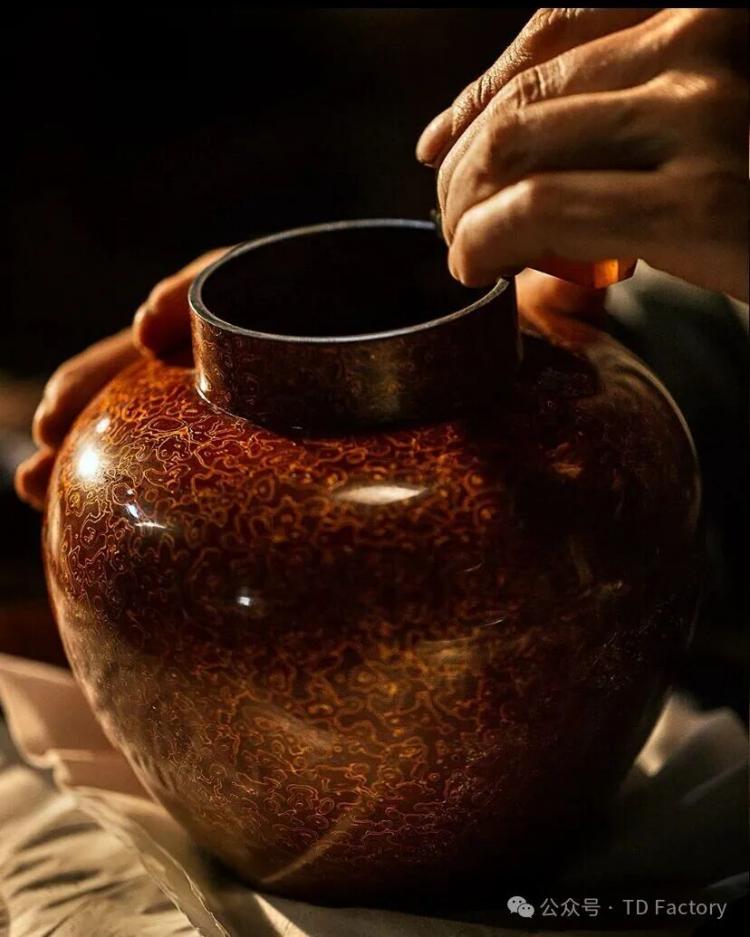
徽州漆器髹饰技艺的文化传承,核心是依托“徽州文化基因”与“手工匠心延续”,将实用器物与徽派美学、文人意趣深度绑定,坚守“犀皮起皱”“菠萝漆”等核心绝技,保留“选漆、制漆、髹涂、打磨”等数十道纯手工工序;同时融入现代设计,将漆器从传统家具、器皿拓展至装饰画、文创产品,适配当代需求。
The cultural inheritance of Huizhou lacquerware decorating techniques is centred on relying on the "Huizhou cultural genes" and the "continuation of artisanal craftsmanship". It deeply binds practical objects with the aesthetics of the Huipai style and the refined tastes of scholars, adhering to core techniques such as "serrated leather creasing" and "pineapple lacquer". It retains dozens of purely manual processes, including "choosing the lacquer", "manufacturing the lacquer", "decorating and applying the lacquer", and "polishing". At the same time, it integrates modern design, expanding the application of lacquerware from traditional furniture and utensils to decorative paintings and cultural creative products, thus meeting contemporary needs.
深度融合。传承中始终锚定徽派特色,漆器纹样多取材于徽州山水、牌坊、砖雕图案,色彩贴合徽派建筑的“黑白灰”基调,既保留徽州文化记忆,也成为地域文化的重要符号。
Deep integration. In the process of inheritance, it always anchors on the distinctive characteristics of the Hui style. The motifs of lacquerware are mostly inspired by the landscapes, archways, and brick carvings of Huizhou. The colours align with the "black, white, and grey" tone characteristic of Huizhou architecture. This not only preserves the cultural memory of Huizhou but also serves as an important symbol of regional culture.

传承发展的时代展望

甘而可的漆艺崇尚宋元之美,作品始终保持中正儒雅的气息,致力于探索以精、雅为风貌的精品漆器在新时期深化发展的最大可能性。在朴实坚毅的秉性和自身文化修养的支撑下,以最严谨的工作态度,恪守每道工序的零误差和零瑕疵的最高标准,创作出美轮美奂的国漆珍宝而享誉业界,作品被故宫博物院、国家博物馆、大英博物馆等收藏。
Gan Erke's lacquer art adheres to the aesthetics of the Song and Yuan dynasties, and his works consistently maintain a balanced and refined demeanour. He is dedicated to exploring the greatest possibilities for the further development of exquisite lacquerware characterised by its elegance and refinement in the new era. With a straightforward and resolute nature, bolstered by his cultural refinement, he approaches his work with the utmost diligence, adhering to the highest standards of zero errors and zero flaws in every step of the process. As a result, his creations, which are renowned for their beauty and craftsmanship, have been collected by institutions such as the Palace Museum, the National Museum, and the British Museum.
展望未来,只要始终锚定“守正”根基、激活“创新”动能,凝聚政府扶持、非遗传承人坚守、年轻从业者参与、市场主体助力的多方合力,从多维度持续发力,徽州漆器髹饰技艺这一古老手工艺必将在新时代焕发出新的生机与活力。
Looking to the future, as long as we consistently anchor on the foundation of "upholding principles," activate the dynamic energy of "innovation," and bring together the efforts of government support, adherence by inheritors of intangible cultural heritage, participation by young practitioners, and assistance from market entities, and continue to make efforts from multiple dimensions, the ancient craft of Huizhou lacquerware decorating techniques will undoubtedly flourish with new vitality in the new era.
版权声明:【除原创作品外,本平台所使用的文章、图片、视频及音乐属于原权利人所有,因客观原因,或会存在不当使用的情况,如,部分文章或文章部分引用内容未能及时与原作者取得联系,或作者名称及原始出处标注错误等情况,非恶意侵犯原权利人相关权益,敬请相关权利人谅解并与我们联系及时处理,共同维护良好的网络创作环境,联系邮箱:603971995@qq.com】