

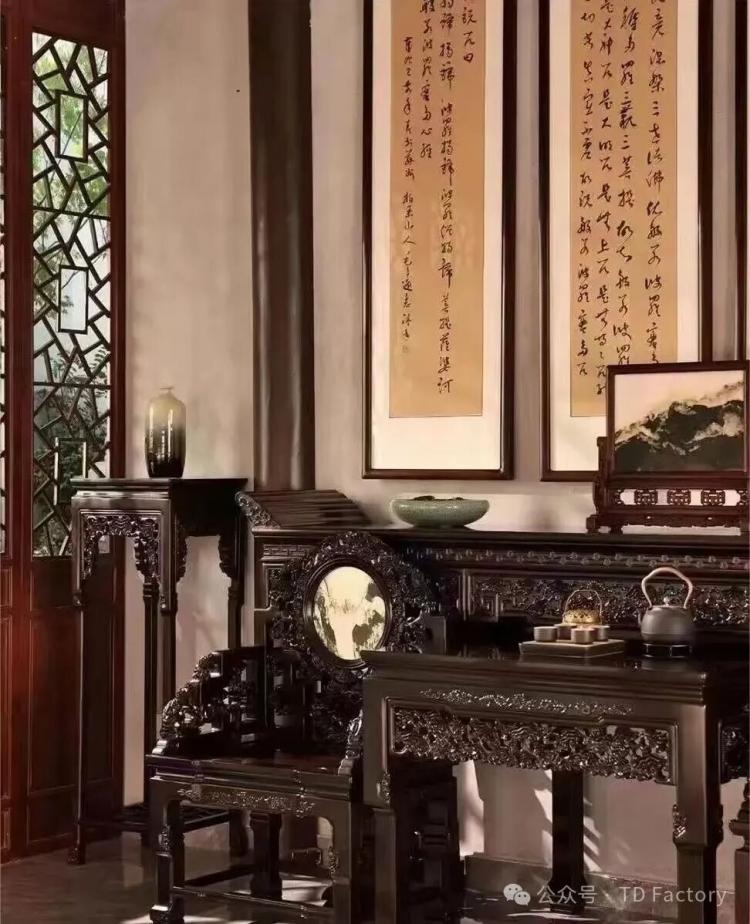
匠心凝萃:明式家具的非遗传奇
当指尖拂过一把明式圈椅的流畅弧线,触到的不仅是温润的木面,更是一段跨越六百年的匠心传承。2006年5月20日,明式家具制作技艺经国务院批准,正式列入第一批国家级非物质文化遗产名录,这份凝结着中国人生活智慧与审美哲思的技艺,从此有了更坚实的保护屏障。
When your fingertips glide over the smooth curve of a Ming-style round-backed chair, you touch not just the warm wood, but a legacy of craftsmanship spanning over 600 years. On May 20, 2006, the craftsmanship of making Ming-style furniture was officially included in the first batch of the national intangible cultural heritage list with the approval of the State Council. This craft, embodying the wisdom of Chinese life and aesthetic philosophy, has since gained a more solid shield of protection.
一、明式家具的发展脉络
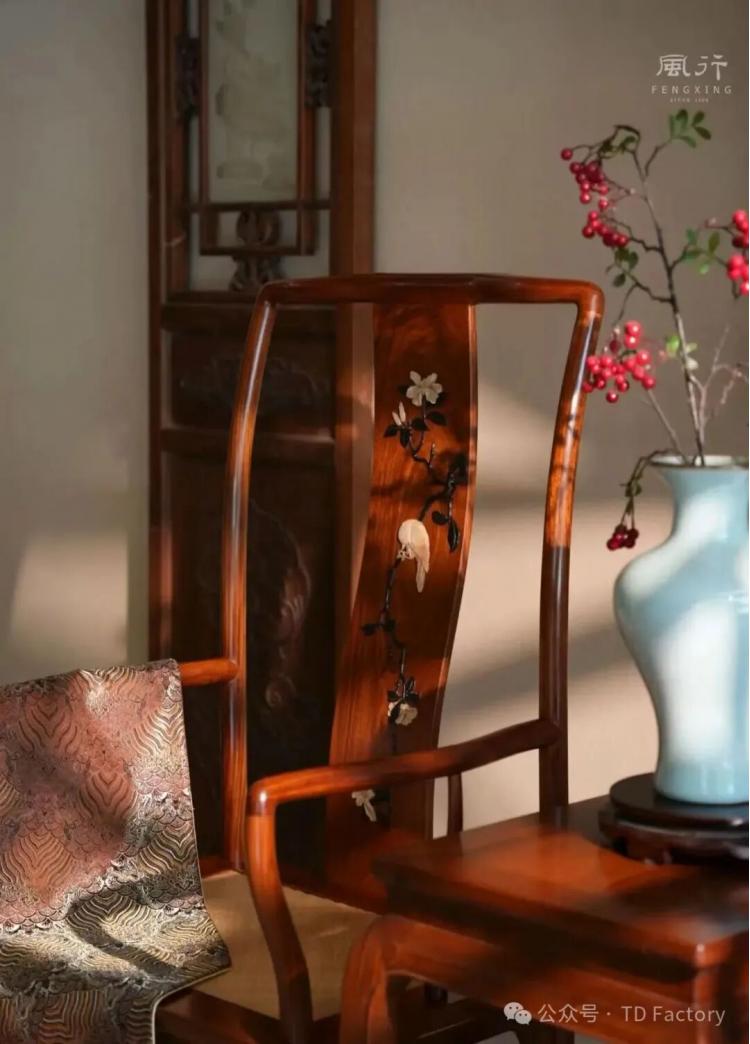
回溯明式家具的发展脉络,它的黄金时代始于明代中期。彼时,商品经济繁荣催生了对高品质生活的追求,郑和下西洋带回的紫檀、黄花梨等珍稀硬木,为工匠们提供了施展技艺的绝佳材质;而文人阶层的深度参与,更将“简约雅致、虚实相生”的审美融入家具设计,让明式家具跳出了单纯的实用范畴,成为兼具艺术价值与文化内涵的“流动的艺术品”。从明代的鼎盛,到清代与宫廷风格的融合演变,再到如今成为全球收藏界的“宠儿”,明式家具始终以其独特的魅力,诉说着东方生活美学的故事。
Tracing the development of Ming-style furniture, its golden age began in the mid-Ming Dynasty. At that time, the prosperity of the commodity economy gave rise to the pursuit of a high-quality life. Rare hardwoods, such as red sandalwood and Huanghuali (also known as yellow pear wood), brought back by Zheng He's voyages to the Western Seas, provided excellent materials for craftsmen. Moreover, the in-depth participation of literati integrated the aesthetic of "simplicity and elegance, the interdependence of void and solid" into furniture design, elevating Ming-style furniture beyond mere practicality to become "mobile works of art" that combine artistic value and cultural connotation. From its heyday in the Ming Dynasty, to its integration and evolution with court styles in the Qing Dynasty, and now as a "favourite" in the global collection circle, Ming-style furniture has always told the story of Oriental living aesthetics with its unique charm.
二、匠心独运的制作过程
明式家具的诞生,是一场“材、艺、形、韵”的完美融合,每一步都浸透着工匠的心血。
1.选料:与木材的“对话”
工匠会像挑选挚友般审视每一块木材,根据硬木的纹理、密度、色泽决定其用途——纹理华美的黄花梨适合做椅面,展现自然之美;质地坚硬的紫檀则多用于框架,撑起家具的稳固骨架。有时为了让纹理对称和谐,工匠甚至会将一块木材一分为二,这种对细节的极致追求,让每一件家具都成为独一无二的存在。
2.开料与刨料:褪去粗糙的“蜕变”
借助锯子将木材切割成大致构件后,工匠会用不同粗细的刨子反复打磨。粗刨去除表面的毛刺与裂痕,细刨让木面变得平滑细腻,直至木材露出温润的光泽,仿佛褪去了岁月的粗糙外衣,显露出内在的温润本质。
3.榫卯拼接:无需钉子的“默契”
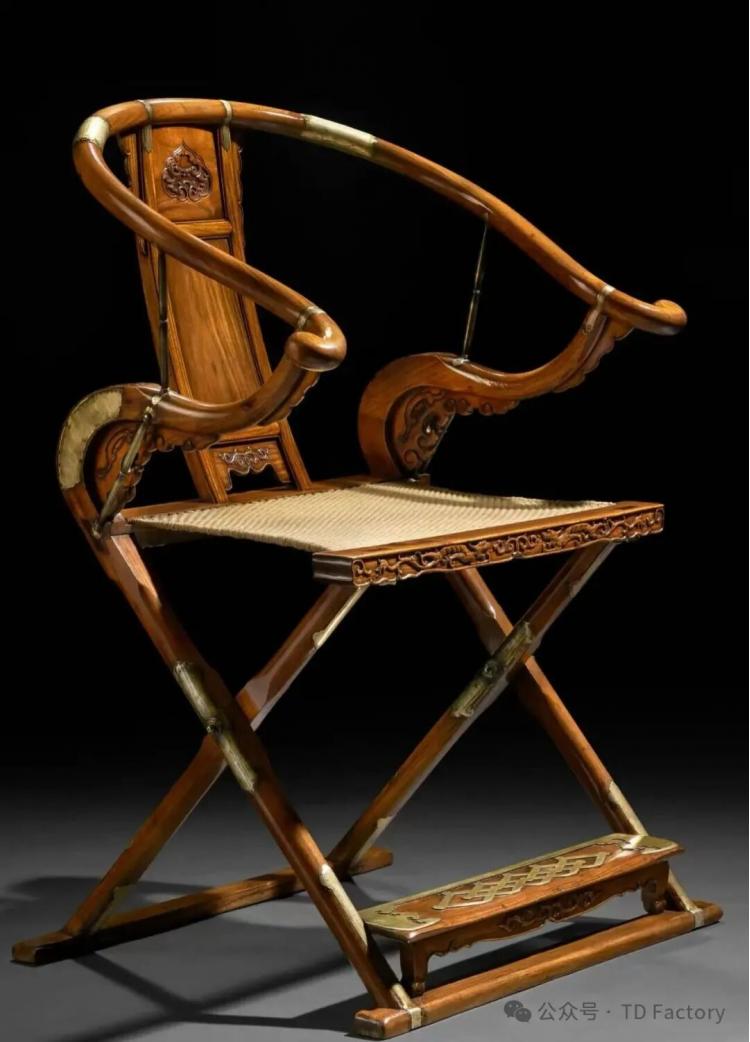
这是明式家具最核心的技艺。工匠会根据构件的需求,打造出“燕尾榫”“格角榫”“攒边榫”等数十种榫卯结构。无需一颗钉子,只需将榫头精准插入榫眼,轻轻一敲,构件便紧密咬合,不仅牢固耐用,还能应对木材的热胀冷缩。这种蕴含着古人智慧的连接方式,让家具仿佛拥有了“生命”,即便历经百年,依旧稳固如初。
4.打磨与上蜡:赋予温润的“外衣”
拼接完成后,工匠会用细砂纸再次精细打磨,甚至用麻布反复擦拭,让木面触感如婴儿肌肤般顺滑。最后,涂抹天然蜂蜡,用炭火轻轻烘烤,让蜡质渗入木材纹理,既保护木材,又能凸显木材的天然色泽与纹理,让家具在使用中愈发温润有光泽。
The birth of Ming-style furniture is a perfect integration of "material, craftsmanship, form, and charm", with every step infused with the craftsman's devotion.
1. Material Selection: "Dialogue" with Wood
Craftsmen examine each piece of wood as carefully as choosing a close friend. They decide the use of the wood based on its grain, density, and colour—Huanghuali with beautiful grains is suitable for chair seats to showcase natural beauty, while hard red sandalwood is mostly used for frames to support the stability of the furniture. Sometimes, to make the grains symmetrical and harmonious, craftsmen even split a single piece of wood into two. This ultimate pursuit of details makes each piece of furniture unique.
2. Sawing and Planing: The "Transformation" from Roughness
After cutting the wood into rough components with a saw, craftsmen repeatedly smooth the wood with planes of different thicknesses. Coarse planing removes burrs and cracks on the surface, while fine planing makes the wood surface smooth and delicate, until the wood reveals a warm lustre, as if shedding the rough coat of time to show its inner tenderness.
3. Mortise and Tenon Jointing: "Tacit Understanding" Without Nails
This is the core technique of Ming-style furniture. Craftsmen create dozens of mortise and tenon structures, such as "dovetail joints", "corner joints", and "edge-jointing mortises" according to the needs of the components. Without a single nail, they just insert the tenon into the mortise accurately and tap gently, and the components fit tightly together. This not only ensures firmness and durability but also adapts to the thermal expansion and contraction of the wood. This connection method, embodying the wisdom of ancient people, makes the furniture seem to have "life" and remains stable even after hundreds of years.
4. Sanding and Waxing: Endowing a Warm "Coat"
After assembly, craftsmen sand the furniture again with fine sandpaper and even wipe it repeatedly with linen to make the wood surface as smooth as a baby's skin. Finally, they apply natural beeswax and gently heat it with charcoal fire to let the wax penetrate into the wood grains. This not only protects the wood but also highlights the natural colour and grain of the wood, making the furniture warmer and shinier with use.
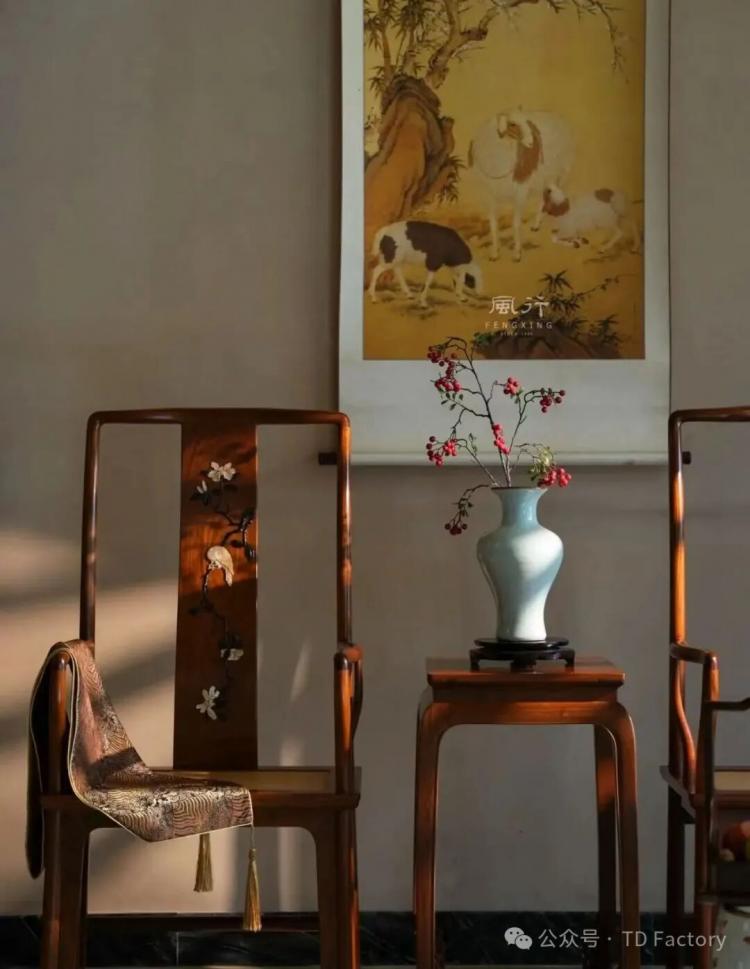

三、雅致非凡的鉴赏之道
欣赏明式家具,就像品读一首意境深远的诗,需要从“形、艺、材、韵”四个维度细细品味。
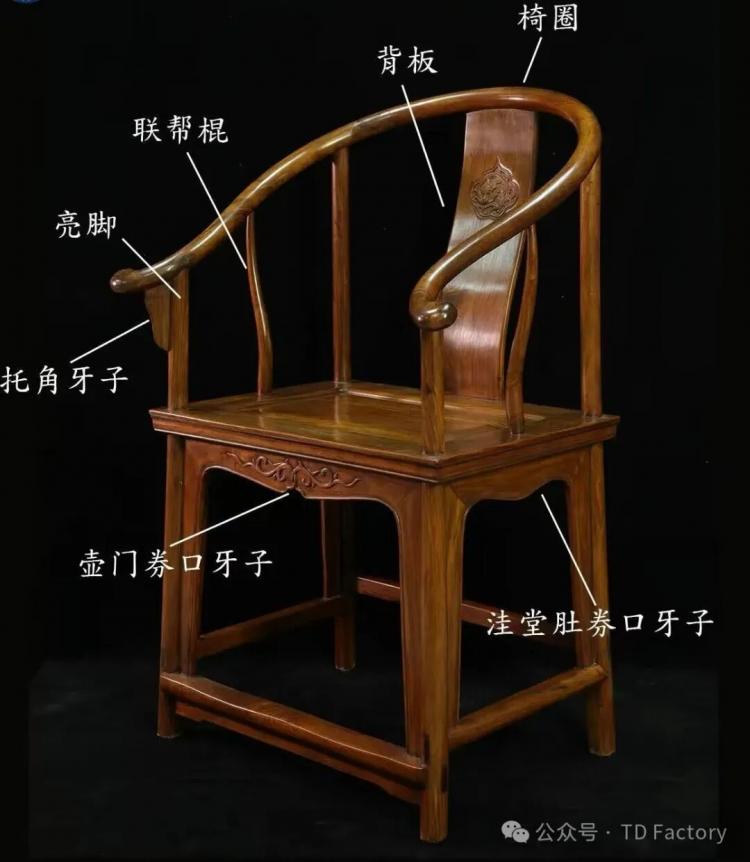
从“形”来看,明式家具追求“简约而不简单”。一把圈椅,椅圈呈流畅的弧形,从搭脑延伸至扶手,自然贴合人体曲线,坐上去仿佛被温柔环抱;一张平头案,案面平整开阔,腿部线条纤细却挺拔,没有多余的装饰,却尽显端庄大气。这种“以简胜繁”的造型,恰是东方美学“留白”艺术的最佳体现。
论“艺”,榫卯结构是当之无愧的灵魂。仔细观察明式家具的连接处,看不到丝毫缝隙,复杂的榫卯隐藏在构件内部,既保证了结构稳固,又不破坏整体的简洁美感。此外,家具表面的雕刻也极具特色,多以卷草纹、云纹、螭龙纹等为题材,雕刻线条流畅细腻,却从不喧宾夺主,而是与家具的整体造型相得益彰。
谈“材”,明式家具多采用紫檀、黄花梨、红木等珍稀硬木。黄花梨的纹理如山水画卷,或蜿蜒如溪流,或层叠如云雾;紫檀木色深沉厚重,随着时间推移会愈发温润;红木则色泽明快,纹理清晰。这些天然木材的质感,让每一件明式家具都拥有了独特的“气质”。
而“韵”,则是明式家具的灵魂所在。它不张扬、不浮夸,静静置于空间中,却能营造出一种宁静雅致的氛围。无论是置于书房,陪伴文人挥毫泼墨;还是放在客厅,迎接宾客谈笑风生,明式家具都能与环境完美融合,传递出中国人“天人合一”的生活哲学。
Appreciating Ming-style furniture is like reading a profound poem; it requires careful tasting from four dimensions: "form, craftsmanship, material, and charm".
In terms of "form", Ming-style furniture pursues "simplicity without being simplistic". A round-backed chair has a smooth, curved backrest that extends from the top rail to the armrests, fitting the human body curve naturally, making you feel as if gently embraced when sitting on it. A flat-topped table has a flat and broad surface, with slender yet straight legs. There are no redundant decorations, but it exudes dignity and grandeur. This "simplicity over complexity" style is the best embodiment of the Oriental aesthetic of "leaving blank".
When it comes to "craftsmanship", the mortise and tenon structure is undoubtedly the soul. A close look at the joints of Ming-style furniture reveals no gaps at all. The complex mortise and tenon structures are hidden inside the components, ensuring structural stability without damaging the overall simple beauty. In addition, the carvings on the furniture surface are also very distinctive, mostly featuring patterns such as scrollwork, cloud patterns, and chi-dragon patterns. The carving lines are smooth and delicate, yet never overwhelming, and complement the overall shape of the furniture.
Talking about "material", Ming-style furniture mostly uses rare hardwoods such as red sandalwood, Huanghuali, and redwood. The grain of Huanghuali is like a landscape painting, winding like a stream or overlapping like clouds and mist. Red sandalwood has a deep and heavy colour, becoming warmer and mellow over time. Redwood, on the other hand, has a bright colour and clear grain. The texture of these natural woods gives each piece of Ming-style furniture a unique "temperament".
As for "charm", it is the soul of Ming-style furniture. It is not ostentatious or exaggerated. Quietly placed in a space, it can create a peaceful and elegant atmosphere. Whether placed in a study to accompany literati in writing and painting, or in a living room to welcome guests for conversation and laughter, Ming-style furniture can integrate perfectly with the environment, conveying the Chinese philosophy of "harmony between man and nature".
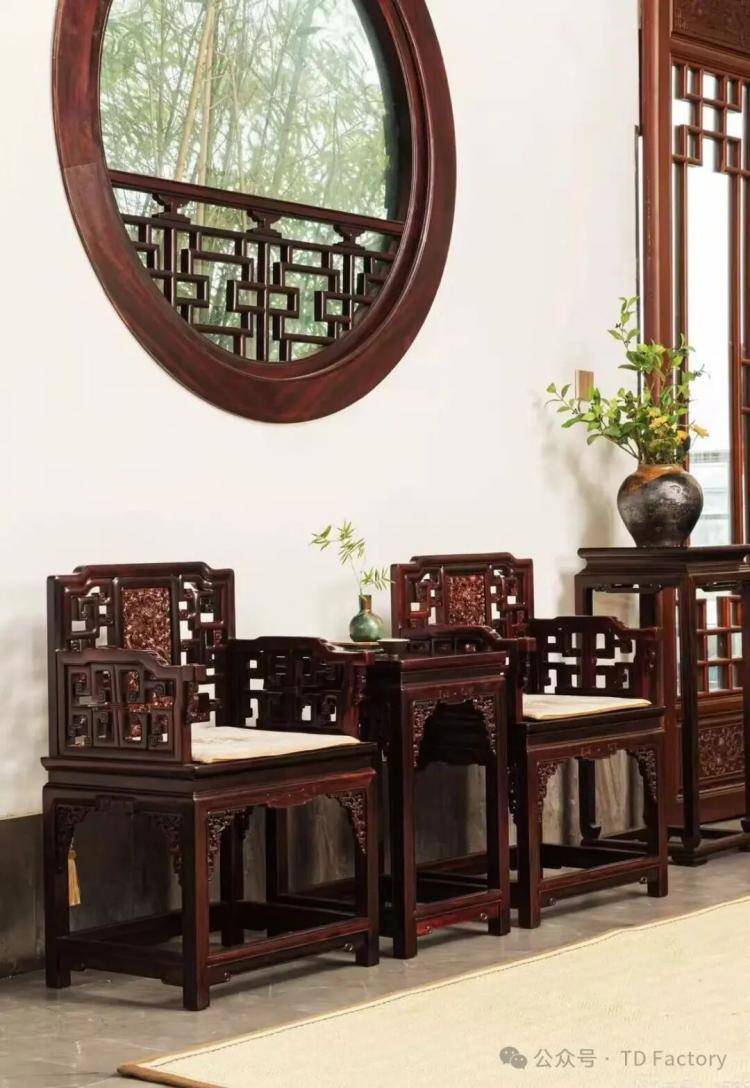
四、传承不息的文化薪火
如今,明式家具早已超越了“家具”的范畴,成为承载中国传统文化的重要载体。它不仅在国内受到收藏爱好者的追捧,更在国际舞台上大放异彩,让世界看到了中国传统工艺的魅力。从2006年列入非遗,到如今越来越多的年轻人投身于明式家具制作技艺的传承与创新,这份凝结着古人智慧与匠心的技艺,正以全新的姿态焕发生机。
明式家具的故事,是一段关于匠心、审美与文化的传奇。它告诉我们,真正的经典,不会被时光淹没,反而会在岁月的沉淀中愈发珍贵。而传承明式家具技艺,不仅是守护一份工艺,更是守护中国人独有的生活美学与文化自信。
Today, Ming-style furniture has long transcended the category of "furniture" and become an important carrier of traditional Chinese culture. It is not only sought after by collectors in China but also shines on the international stage, allowing the world to see the charm of traditional Chinese craftsmanship. From being included in the intangible cultural heritage list in 2006 to the increasing number of young people devoting themselves to the inheritance and innovation of Ming-style furniture craftsmanship today, this craft, embodying the wisdom and ingenuity of ancient people, is radiating new vitality with a brand-new posture.
The story of Ming-style furniture is a legend about craftsmanship, aesthetics, and culture. It tells us that true classics will not be submerged by time, but will become more precious with the passage of years. Inheriting the craftsmanship of Ming-style furniture is not only about guarding a craft but also about safeguarding the unique living aesthetics and cultural confidence of the Chinese people.
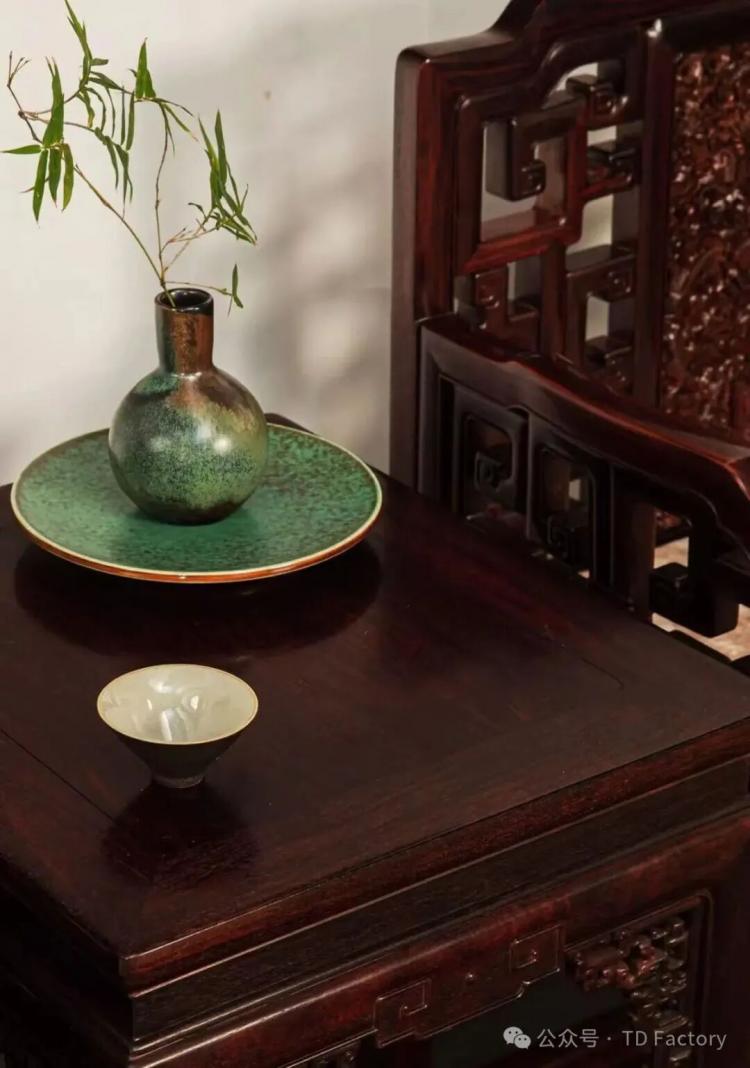
不只是非遗,更是一种传承
Not only intangible cultural heritage, but also a form of inheritance
版权声明:【除原创作品外,本平台所使用的文章、图片、视频及音乐属于原权利人所有,因客观原因,或会存在不当使用的情况,如,部分文章或文章部分引用内容未能及时与原作者取得联系,或作者名称及原始出处标注错误等情况,非恶意侵犯原权利人相关权益,敬请相关权利人谅解并与我们联系及时处理,共同维护良好的网络创作环境,联系邮箱:603971995@qq.com】