

宋朝是我国瓷业繁荣鼎盛时期,宋人注细节、重感受。
宋瓷不仅重视釉色之美,更追求釉的质地之美,其美术风格达到了新的境界,瓷器生产盛况空前。
The Song Dynasty was a prosperous and flourishing period for China's porcelain industry, where people paid attention to details and emphasized emotions. Song porcelain not only valued the beauty of glaze colour but also pursued the beauty of glaze texture. Its artistic style reached a new level, and the production of porcelain was unprecedented.
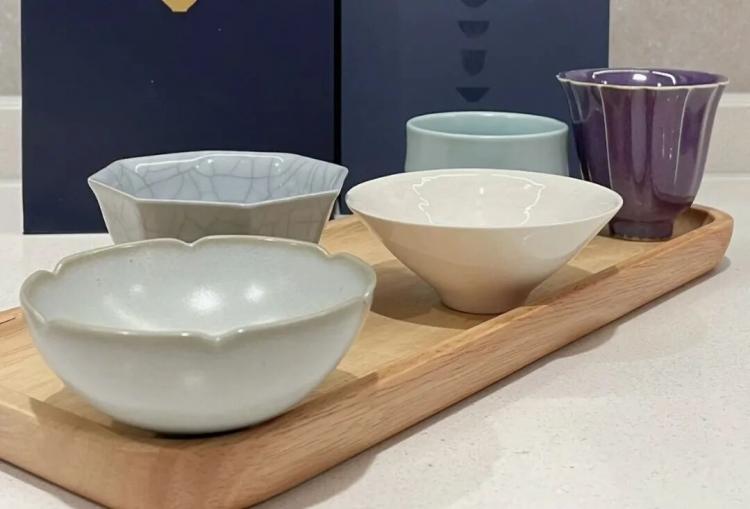
1
Ru porcelain
汝瓷.
色泽——青如天,面若玉
开片——死如豪,质如金
质感——润如肤,堆如脂
外形——简约古朴
Colour - Blue as the sky, with a jade-like surface
Opening the scene - Death is like a pride, quality is like gold
Texture - Moisturizing like skin, piling up like fat
Appearance - Simple and rustic
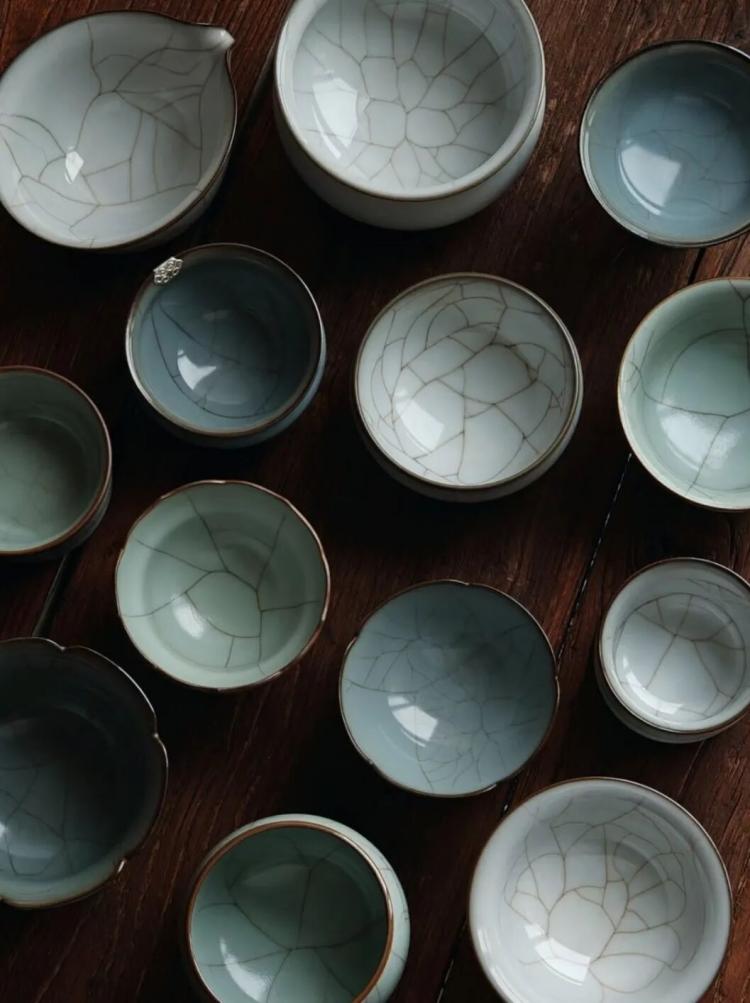
汝瓷在我国宋代被列为五大名瓷(汝、官、钧、哥、定)之首,当时被钦定为宫廷御用瓷。产于河南临汝,隋炀帝大业初年(即公元605年)置临汝为汝州,“汝瓷”因此而得名。
Ru porcelain was listed as the top of the five famous porcelain brands (Ru, Guan, Jun, Ge, Ding) in the Song Dynasty of China, and was designated as imperial porcelain by the imperial court at that time. Produced in Linru, Henan, in the early years of Emperor Yang of Sui's Daye era (605 AD), Linru was established as Ruzhou, hence the name "Ru Porcelain".
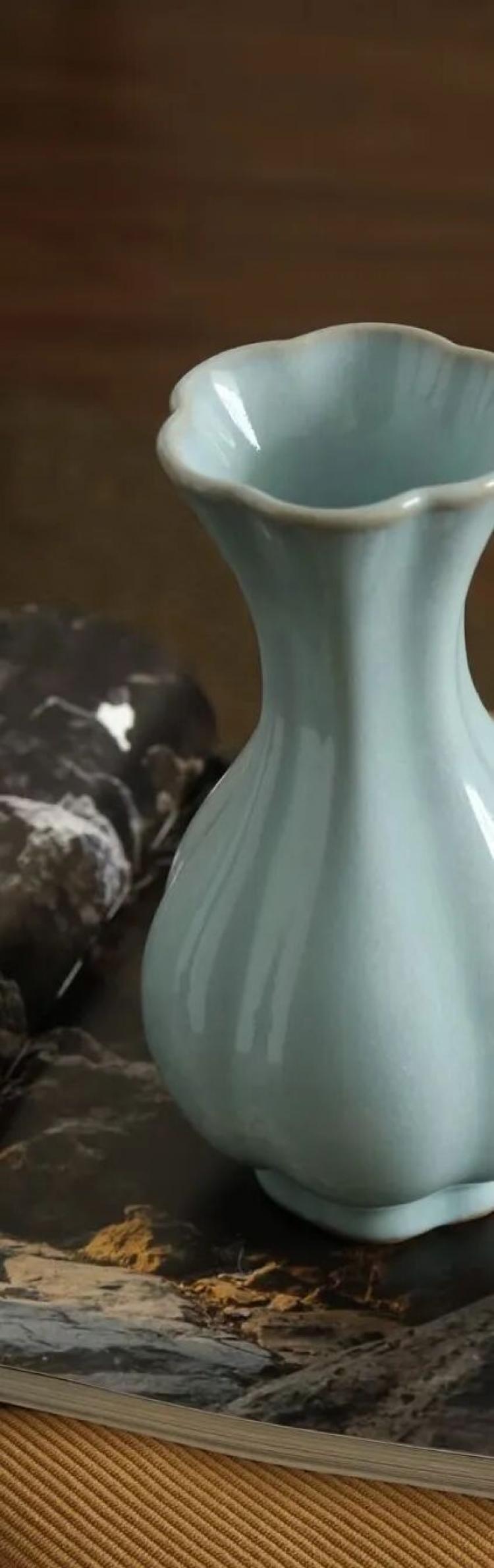
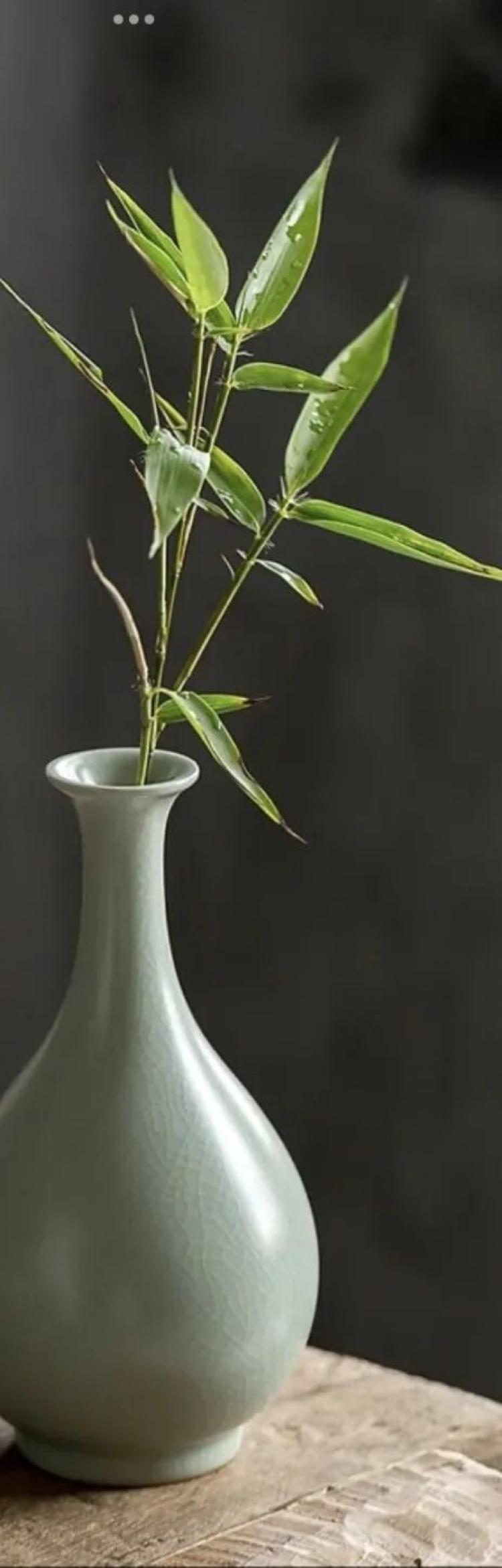
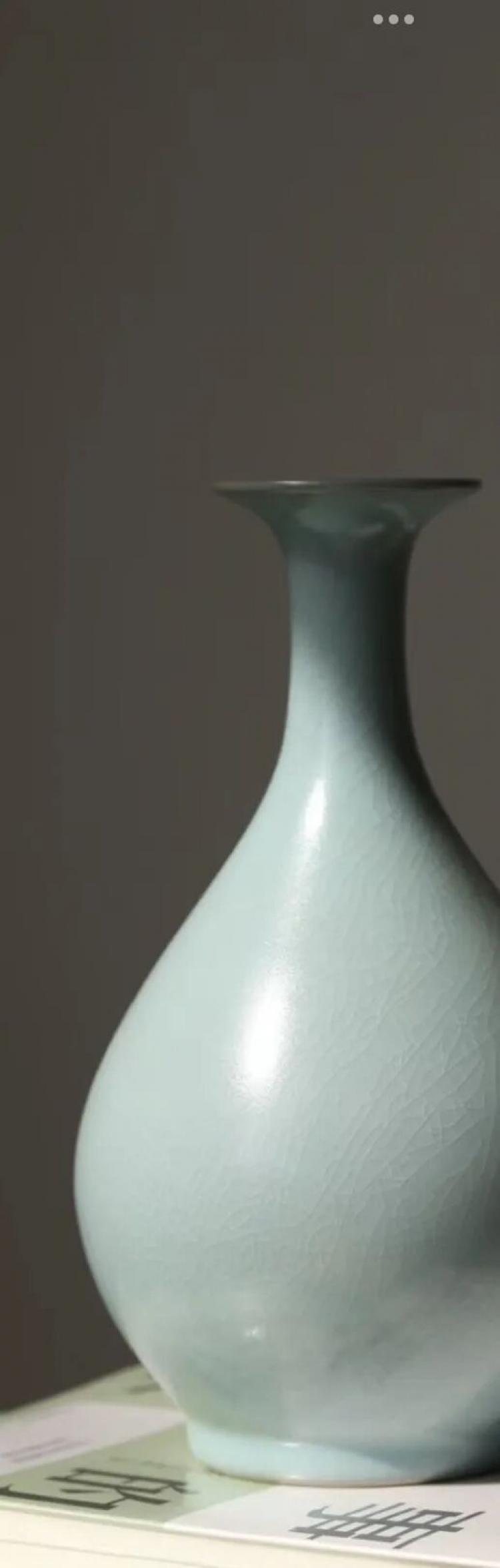
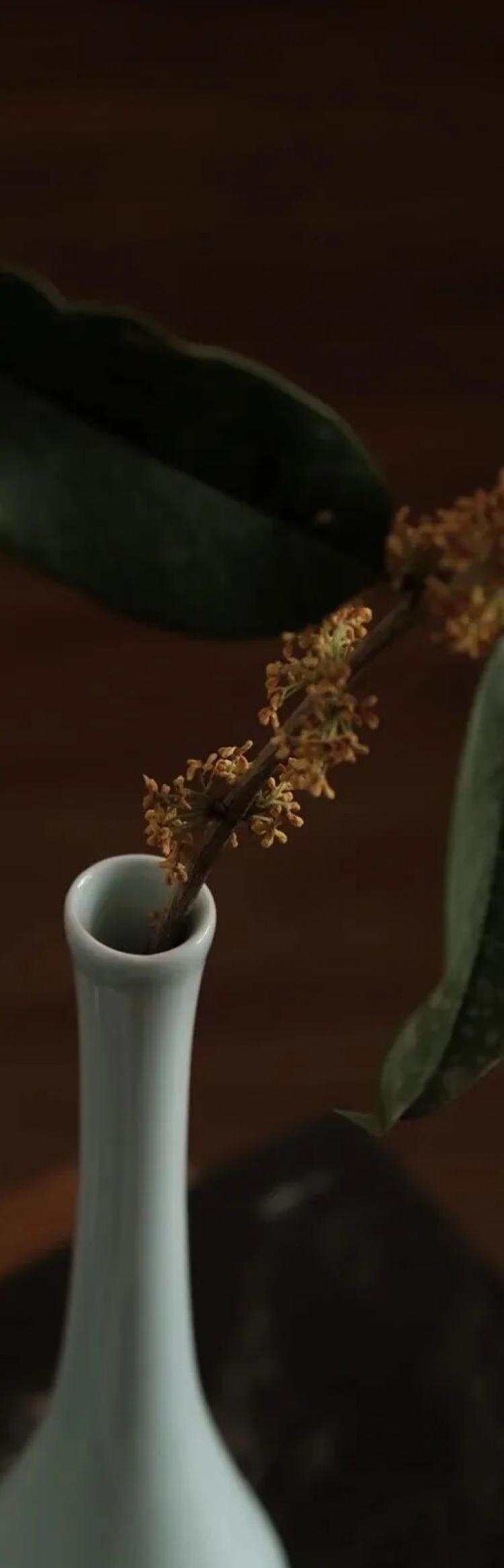
汝州是汝瓷的故乡,汝瓷造型古朴大方,其釉如“雨过天晴云破处”,“千峰碧波翠色来”,土质细润,坯体如侗体其釉厚而声如擎,明亮而不刺目,具有“梨皮、蟹爪、芝麻花”之特点,被世人称为“似玉、非玉、而胜玉”。
Ruzhou is the hometown of Ru Porcelain. Ru Porcelain is simple and elegant in shape. Its glaze is like "clouds break after rain" and "thousands of peaks and blue waves come in green colour". Its soil is fine and smooth. Its body is like the body of Dong. Its glaze is thick and loud, bright but not dazzling. It has the characteristics of "pear skin, crab claw, and sesame Fried Dough Twists". It is called "jade-like, non-jade, and superior to jade" by the world.
汝瓷以名贵玛瑙为釉,色泽独特,有“玛瑙为釉古相传”的赞誉。随光变幻,观其釉色,犹如“雨过天晴云破处”之美妙,温润古朴。
Ru porcelain is glazed with precious agate, which has a unique colour and is praised as an "agate glaze passed down from ancient times". Changing with the light, observing its glaze colour, it is like the beauty of "after the rain, the sky is clear, and the clouds are broken", warm and ancient.
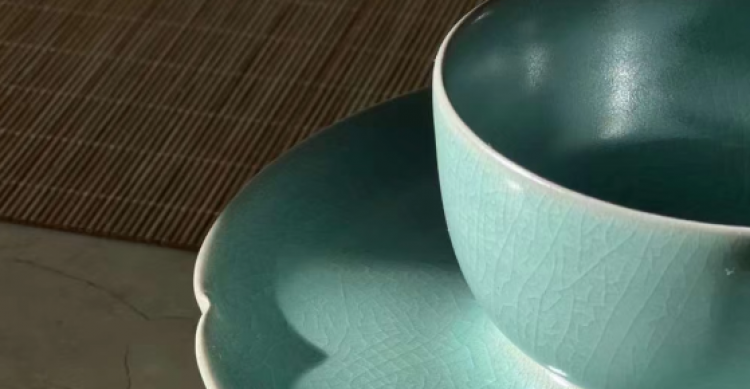
器表呈蝉翼纹细小开片,有“梨皮蟹爪芝麻花”之称。“纵有家财万贯、不如汝瓷一片”。
The surface shows cicada wing patterns in small pieces, and is known as "pear skin, crab claw, and sesame Fried Dough Twists". Even if you have a fortune, it's not as good as a piece of Ru porcelain.
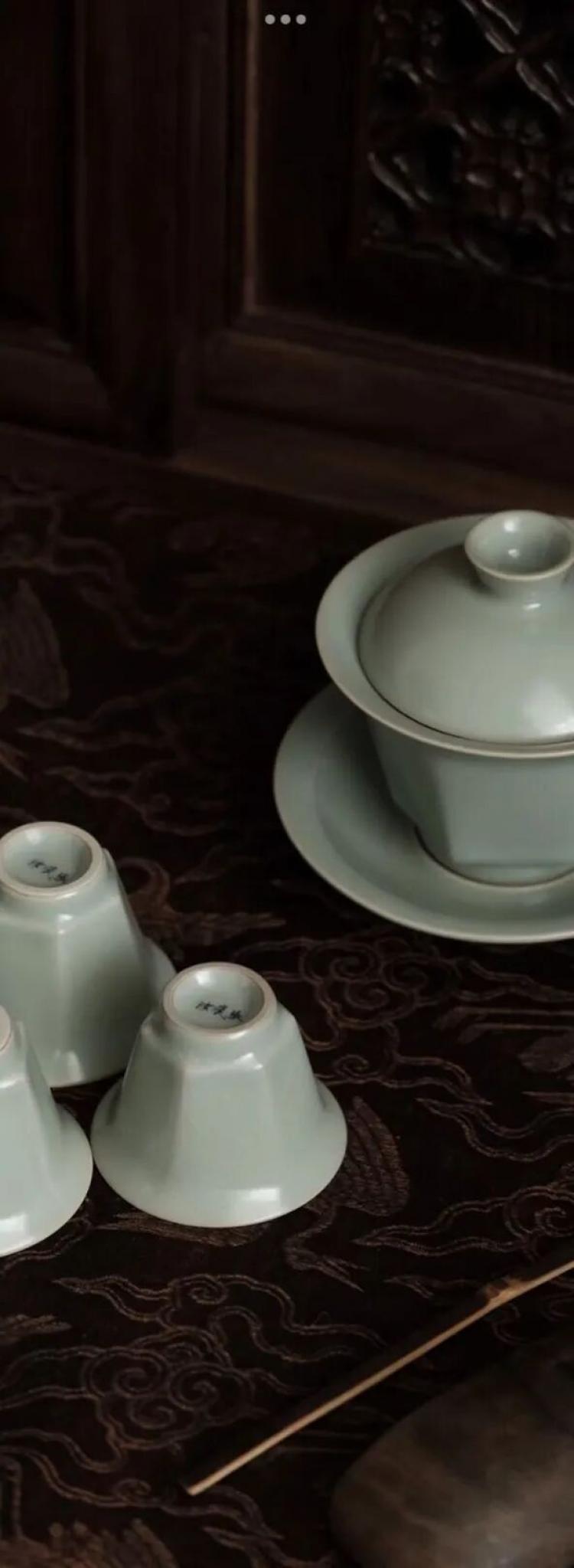
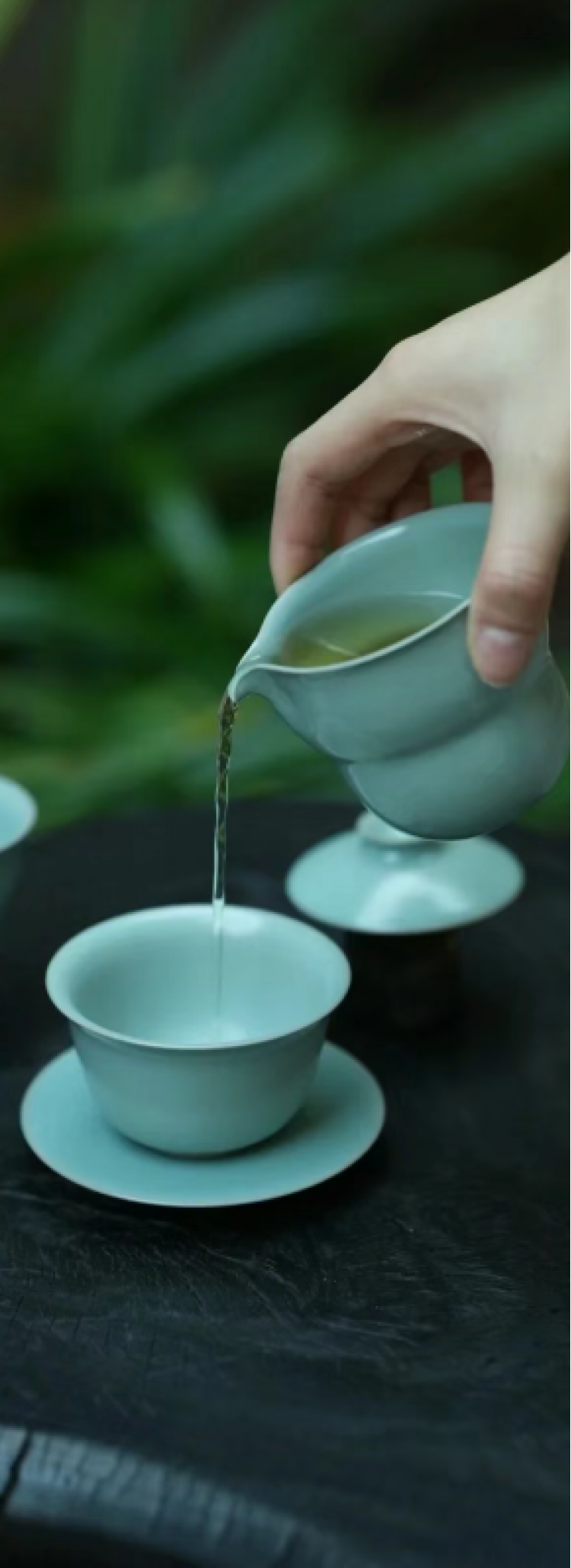
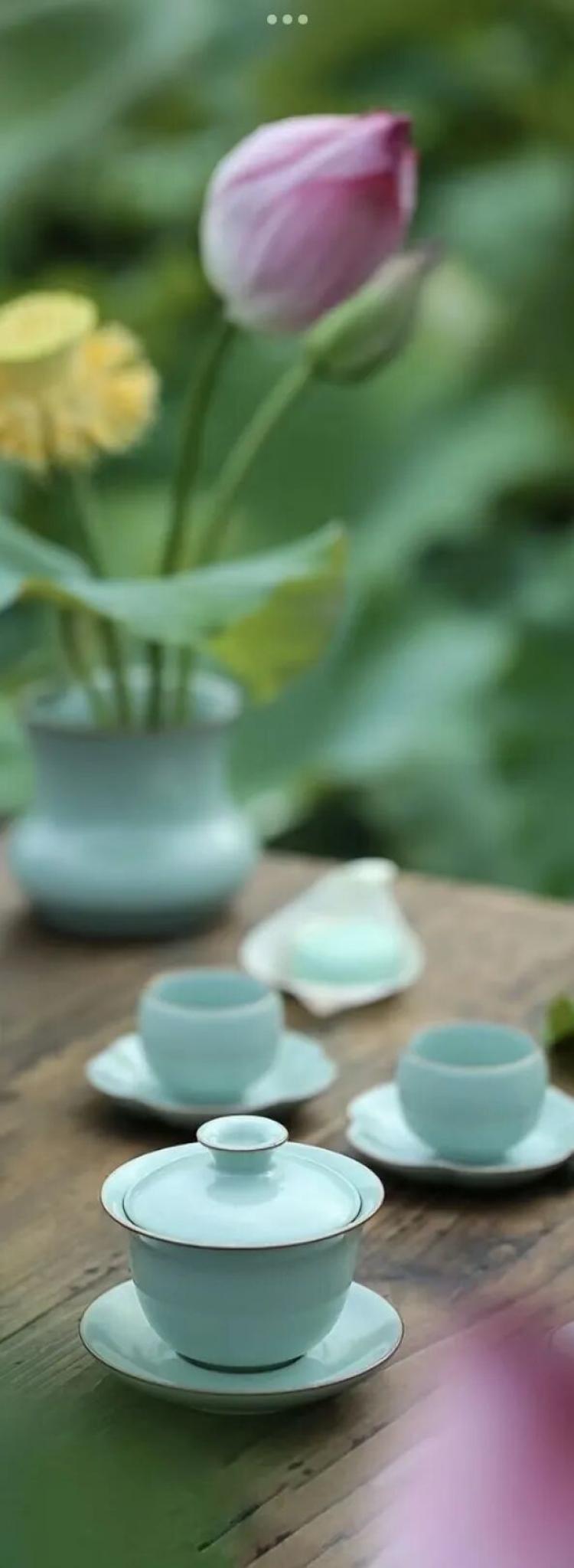
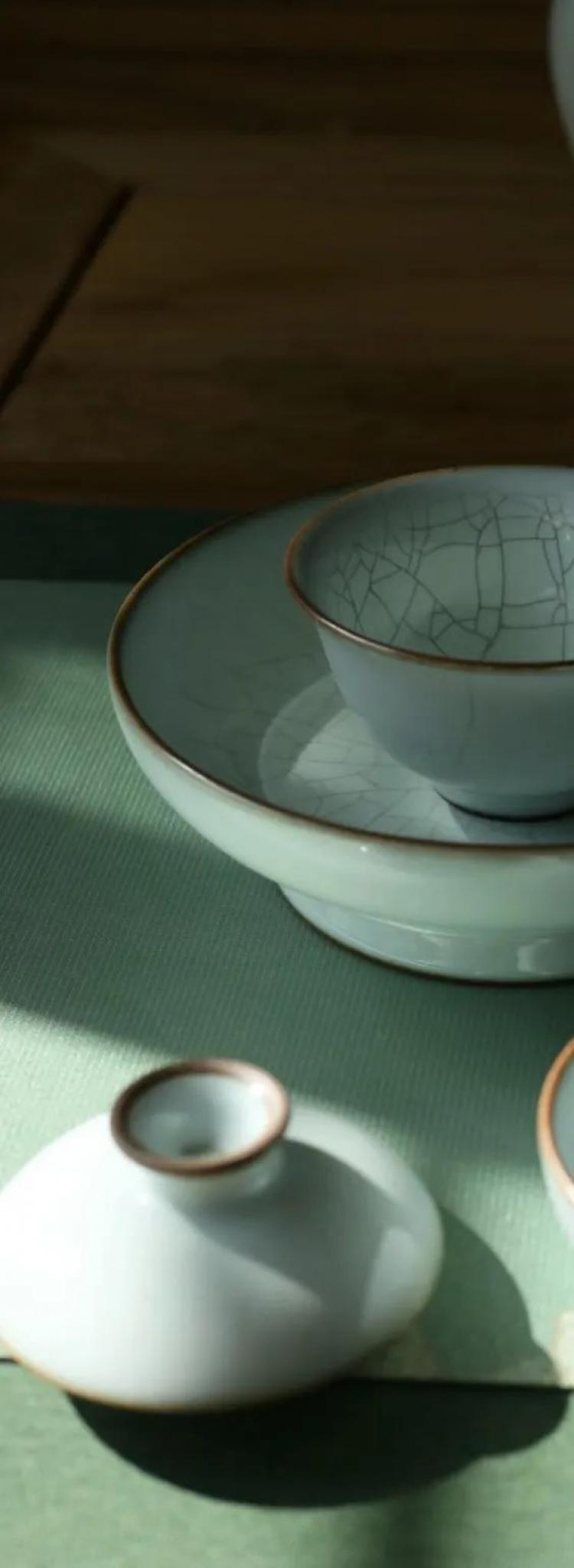
汝瓷的典型特色是:“青如天、面如玉、蝉翼纹、晨星稀,芝麻支钉釉满足。”
The typical characteristics of Ru porcelain are: "Blue as the sky, jade-like surface, cicada wing pattern, sparse morning star, and sesame nail glaze that satisfies
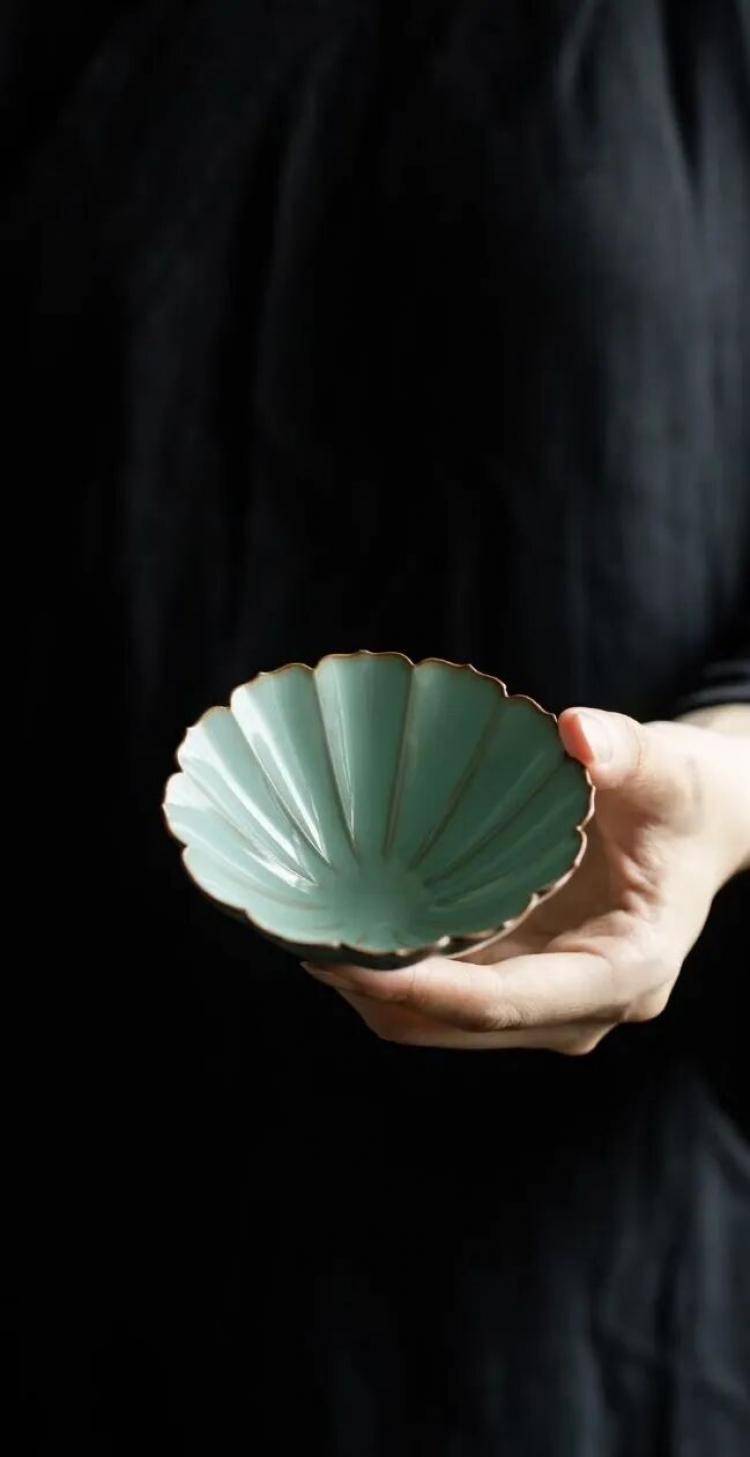

china
汝瓷还有一种独特的开片,这些斜片大小不一,形状各异,如同一片片美丽的风景画。这种开片是汝瓷在烧制过程中产生的自然现象,也是汝瓷的一大特色。这种开片不仅增加了汝瓷的艺术价值,同时也反映了汝窑独特的烧制工艺和材料选择。
Ru porcelain also has a unique type of opening, with oblique pieces of varying sizes and shapes, resembling beautiful landscape paintings. This kind of cracking is a natural phenomenon that occurs during the firing process of Ru porcelain, and it is also a major feature of Ru porcelain. This kind of opening not only increases the artistic value of Ru porcelain but also reflects the unique firing process and material selection of Ru kiln.
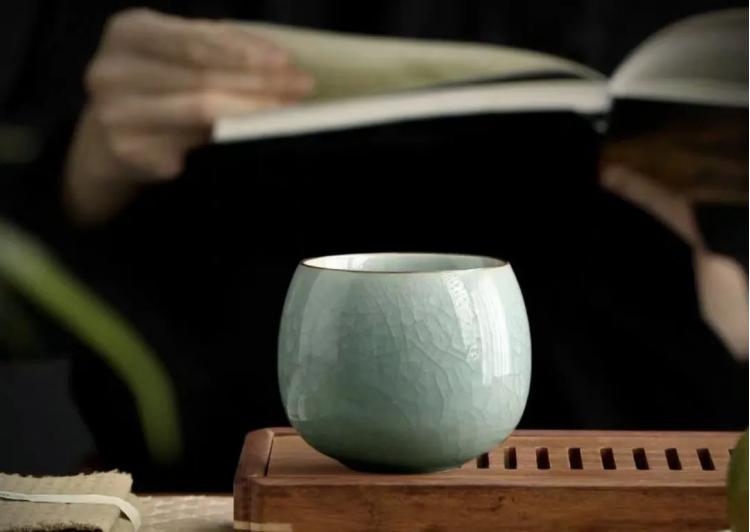
汝窑瓷器的主要器型有盘、碗、瓶、洗、盏托等,从功能上分主要有礼器、文房器、饮食装饰器等,大都尺寸不大,有“钧汝不过尺,钧汝无大器”之说。汝窑瓷器在北宋时常刻“奉华”二字,京畿大臣蔡京曾刻姓氏“蔡字”以作荣记。宋、元、明、清以来,宫廷汝瓷用器,内库所藏,视若珍宝、与商彝周鼎比贵。
The main types of Ru kiln porcelain include plates, bowls, bottles, washing utensils, and cup holders. In terms of function, they are mainly divided into ritual utensils, stationery utensils, and food decoration utensils. Most of them are not large, and there is a saying that 'Jun Ru is not big enough, Jun Ru has no large utensils'. Ru kiln porcelain was often engraved with the words "Fenghua" during the Northern Song Dynasty, and Cai Jing, the minister of the capital, once engraved the surname "Cai" as a tribute. Since the Song, Yuan, Ming, and Qing dynasties, Ru porcelain utensils used in the imperial court have been stored in the imperial treasury and regarded as precious treasures, compared to the Shang, Yi, and Zhou tripods.
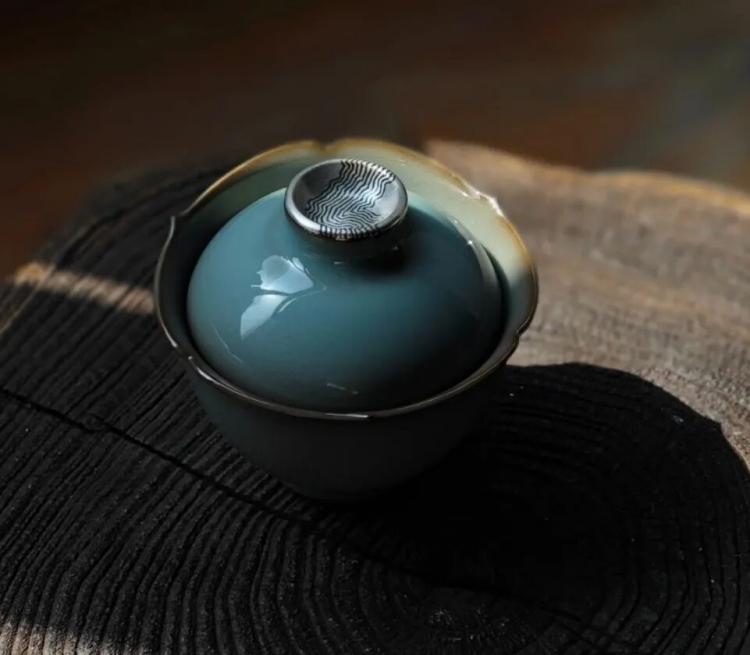
2
Official kiln
官窑.
凝土为器,只为皇权而存在
Concrete is a tool that exists only for imperial power
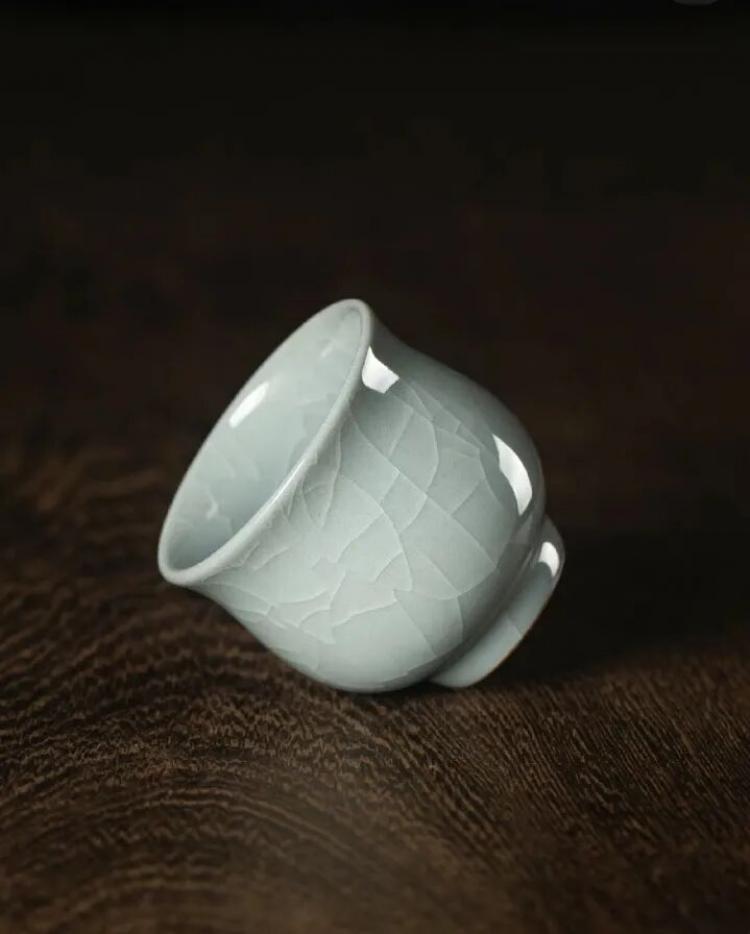
宋代官窑瓷器,由为“朝廷置窑、内府制样、民匠造器、兵士供役”,其所烧制的瓷器仅供朝廷使用,以宫廷的生活用瓷与陈设瓷为主,且有北宋官窑和南宋官窑之分,北宋官窑也称“旧官”,南宋官窑也称“新官”。
The porcelain produced by the official kilns of the Song Dynasty was mainly used by the court for daily life and display purposes. There were two types of porcelain: the Northern Song official kiln and the Southern Song official kiln. The Northern Song official kiln was also known as the "old official", while the Southern Song official kiln was also known as the "new official".
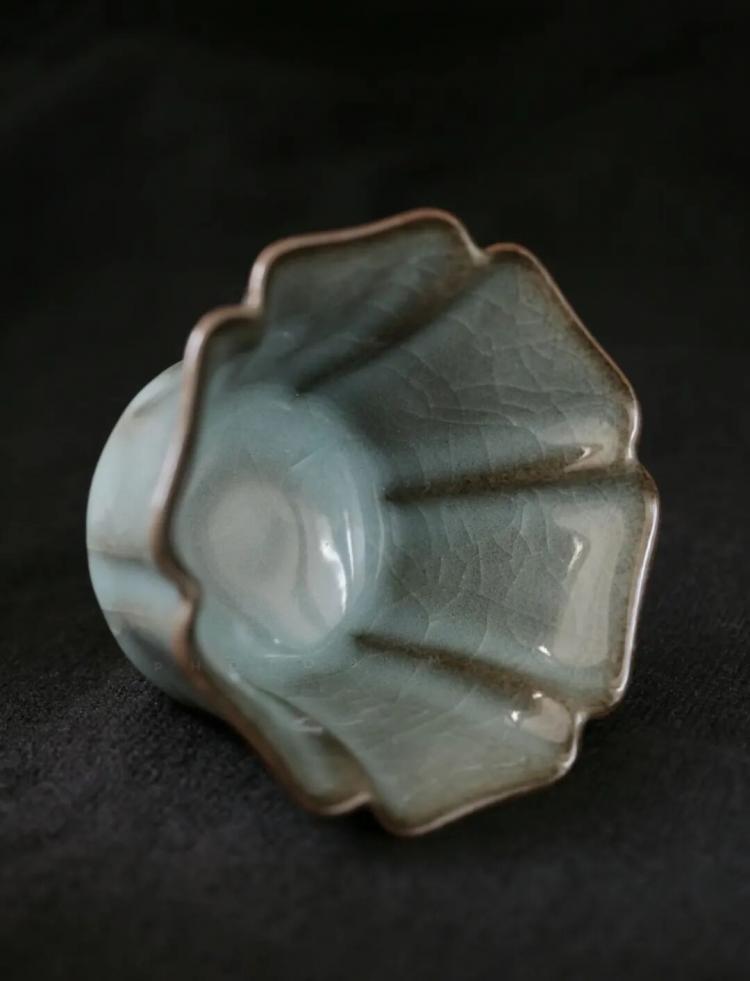
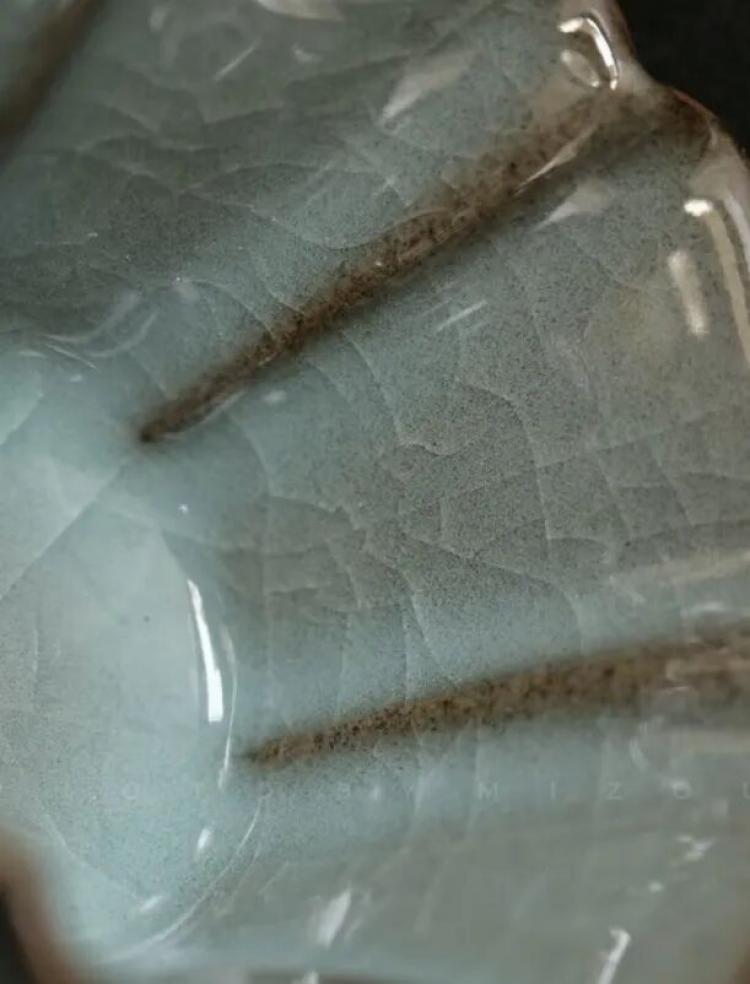
顾文荐所著的《负喧杂录》记载:“宣政间京师自置窑烧造,名曰官窑”。由此可知,北宋后期官窑设于汴京,称为“汴京官窑”,或称为“北宋官窑”。
The "Negative Noise Miscellaneous Records" written by Gu Wenjian records: "During the Xuanzheng period, the capital set up its kiln and fired it, called the official kiln. From this, it can be inferred that the official kilns of the late Northern Song Dynasty were located in Bianjing and were called "Bianjing Official Kilns" or "Northern Song Official Kilns".
CHINA
靖康之乱后,宋高宗南渡并在临安另立新窑,即“南宋官窑”。宋叶的《坦斋笔衡》记有:“中兴渡江,有邵成章提举后宛,号邵局,袭故宫遗制,置窑于修内司,造青器名内窑......后效坛下别立新窑,比旧窑大不侔矣。”因此,南宋初期共有“官窑”两个,一个是“修内司官窑”,亦称“内窑”;二是“郊坛官窑”,因该窑设在杭州乌龟山附近,也称“乌龟山官窑”。
After the Jingkang Rebellion, Emperor Gaozong of Song migrated south and established a new kiln in Lin'an, known as the "Southern Song Official Kiln". In the book "Tanzhai Biheng" by Song Ye, it is recorded that "During the Zhongxing Crossing of the Yangtze River, Shao Chengzhang promoted Houwan, also known as Shaoju, and inherited the legacy of the Forbidden City. He set up kilns in the Xiu Nei Si and named the Qing ware Nei Yao... A new kiln was erected under the Hou Xiao Altar, which was much larger than the old kiln." Therefore, in the early Southern Song Dynasty, there were two "official kilns", one was the "Xiu Nei Si official kiln", also known as the "Nei Yao"; The second is the "Jiaotan Official Kiln", also known as the "Turtle Mountain Official Kiln" because it is located near Turtle Mountain in Hangzhou.
China
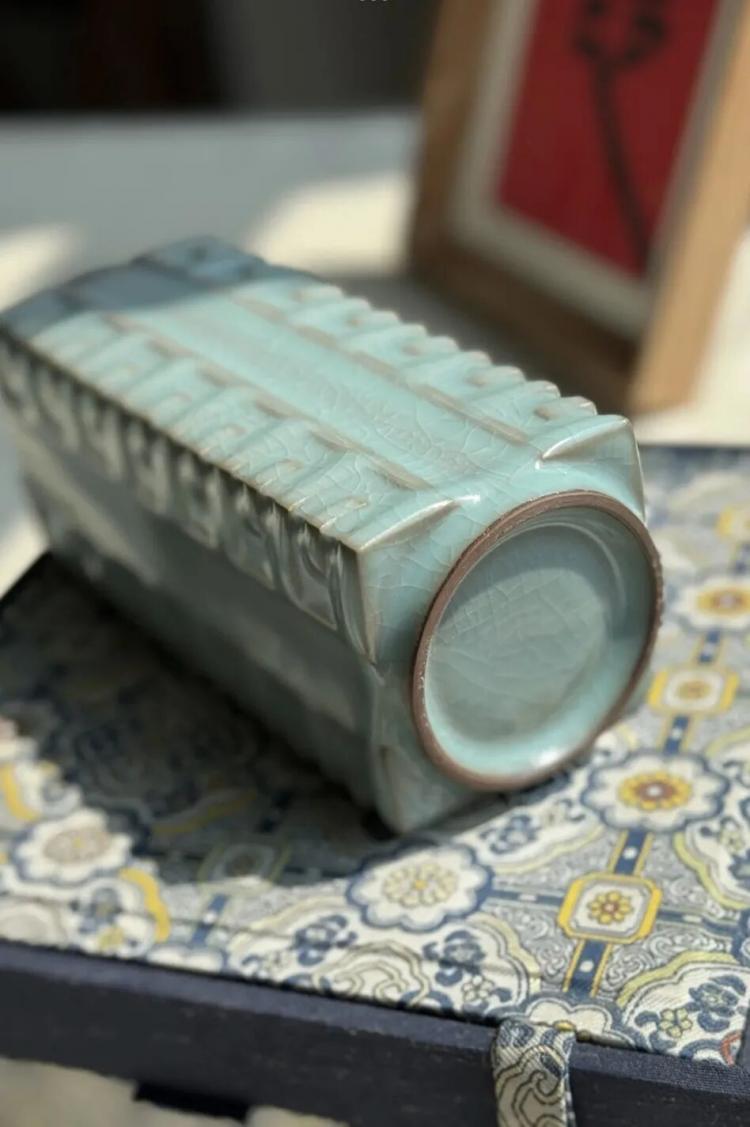
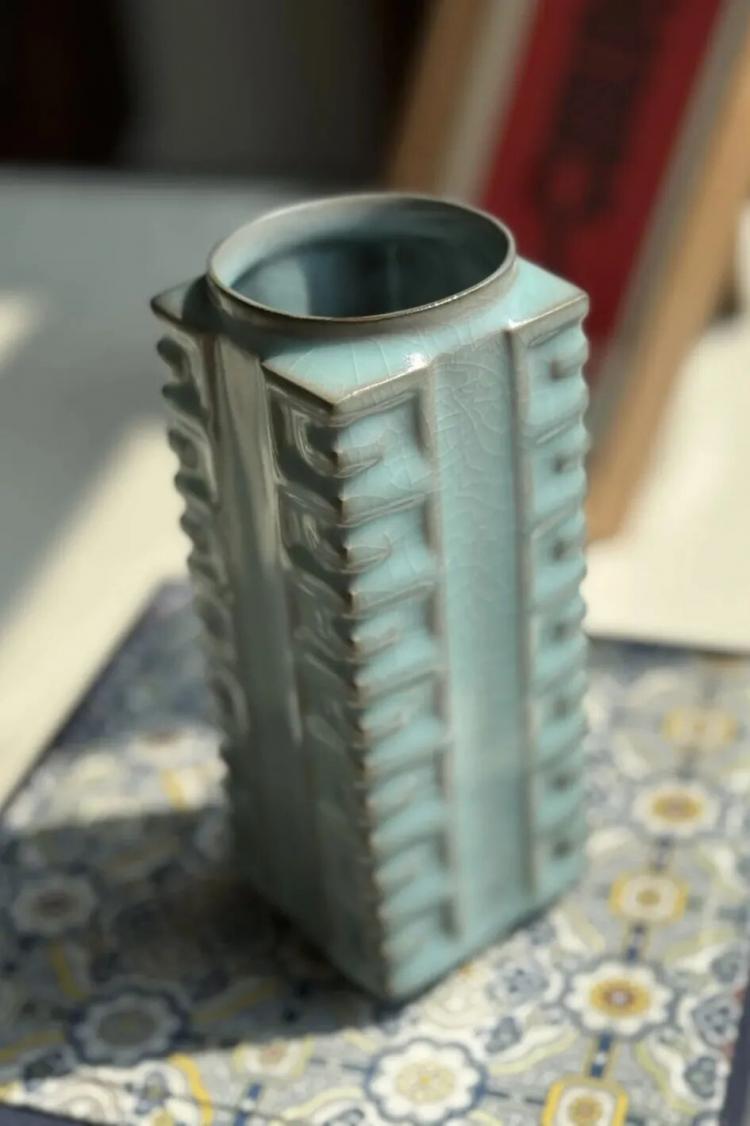
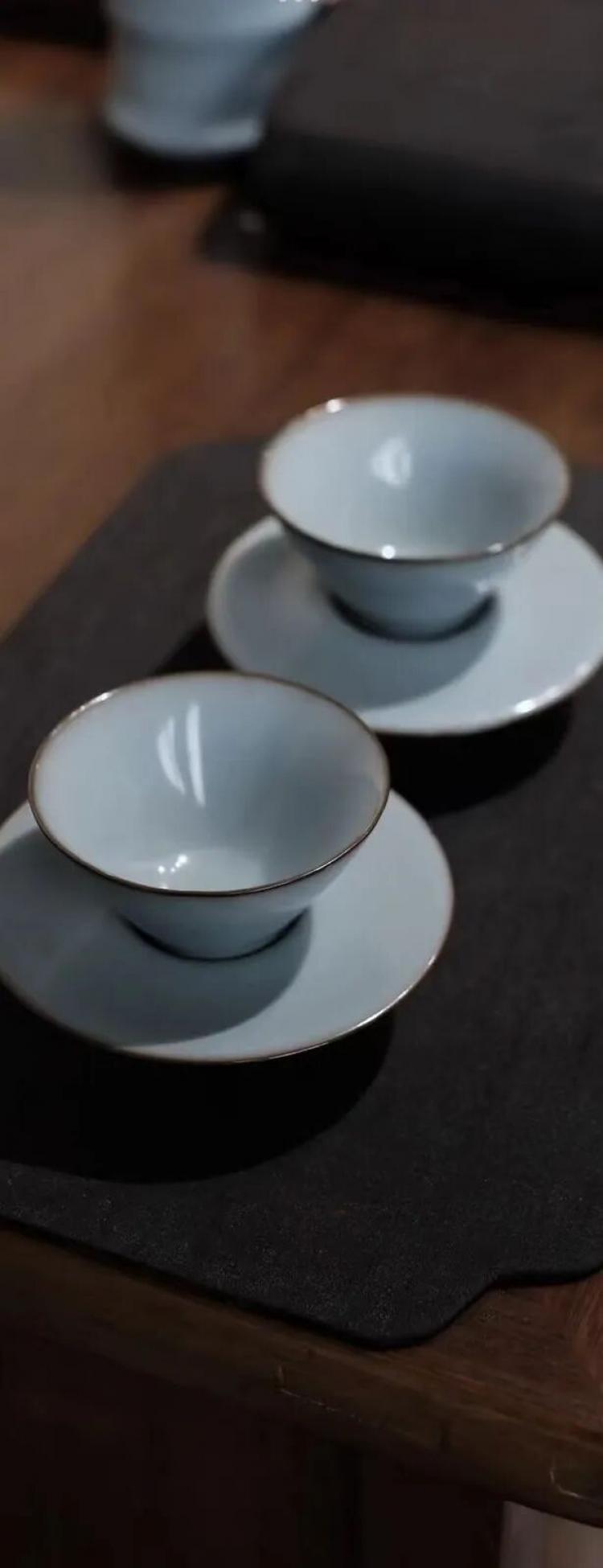
北宋官瓷作品主要分为两大类:一是礼器,北宋官瓷当时作为国家礼器的创制,是宋徽宗赵佶“新成礼器” 的一部分,其造型主要有瓶、尊、鼎、炉、觚、盘等;二是文房用具,此与徽宗个人的喜爱密切相关,也主要供徽宗个人使用。这类官瓷的器形多样,仅北宋官瓷笔洗就有直口、葵口、弦纹等造型。
The official porcelain works of the Northern Song Dynasty can be mainly divided into two categories: one is ritual vessels. At that time, the official porcelain of the Northern Song Dynasty was created as a national ritual vessel and was part of the "newly formed ritual vessels" of Emperor Huizong of Song, Zhao Ji. Its shapes mainly include vases, zuns, tripods, furnaces, gourds, plates, etc; The second is stationery, which is closely related to Emperor Huizong's personal preference and mainly for his personal use. This type of official porcelain has a variety of shapes, with only the Northern Song official porcelain brush having a straight mouth, sunflower mouth, string pattern and other shapes.
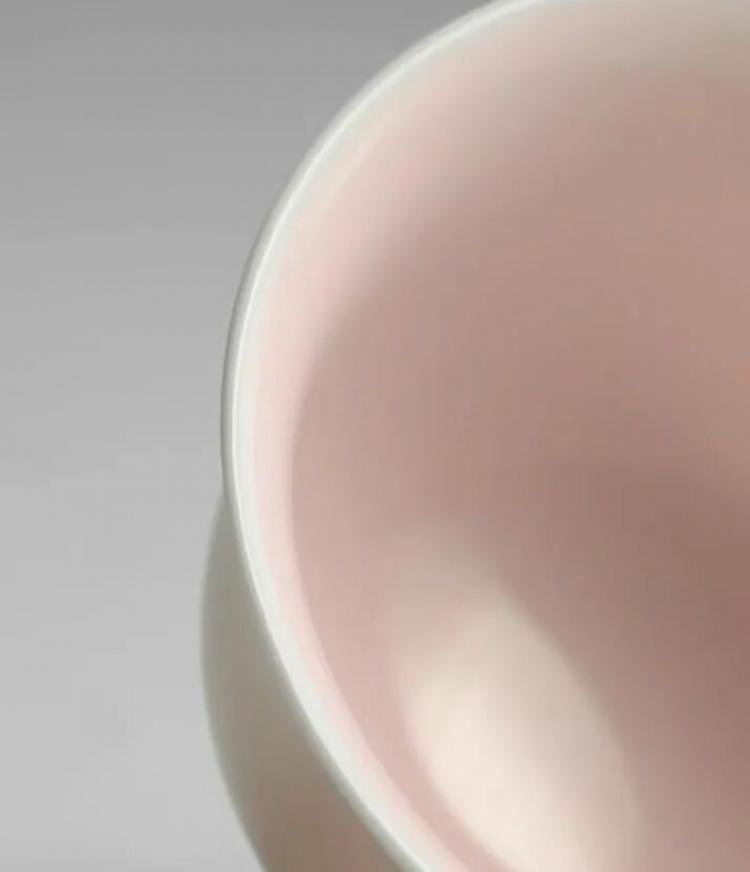
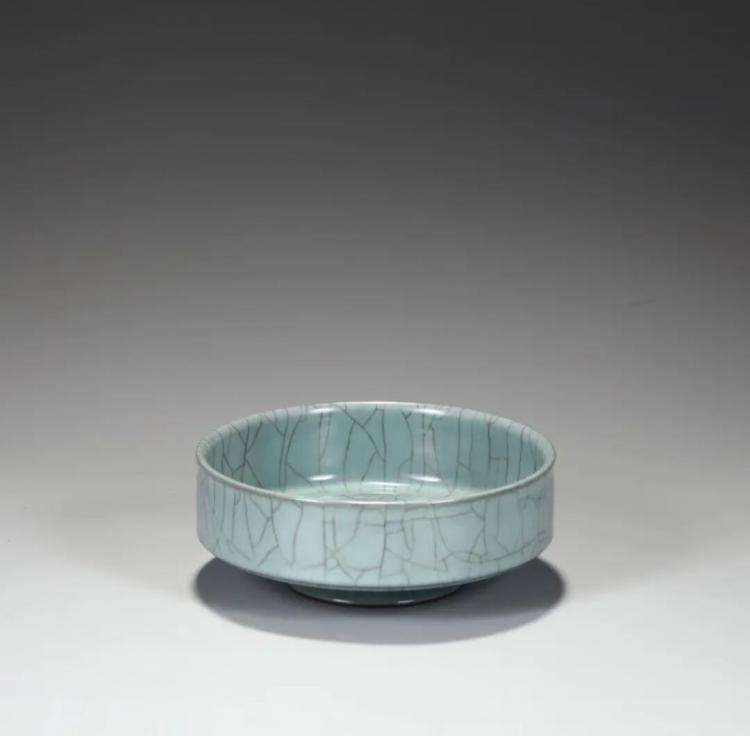
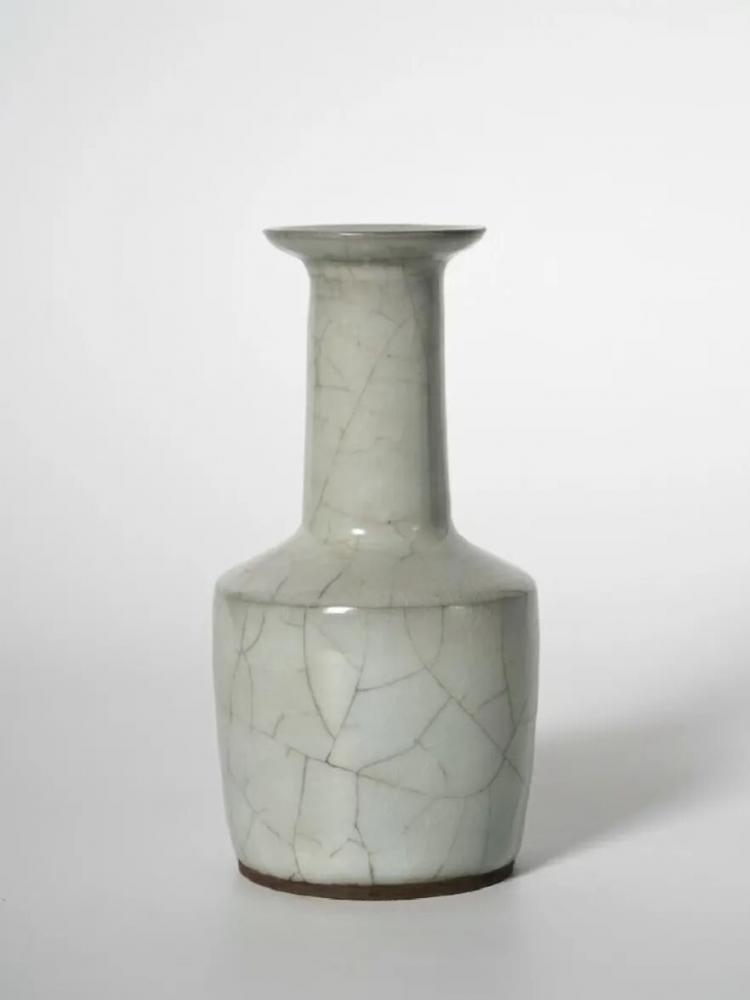
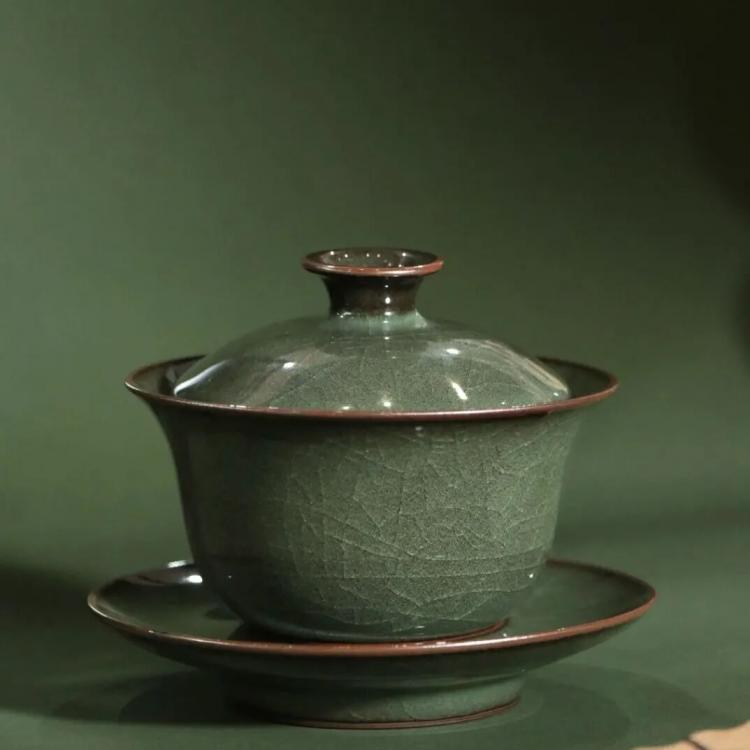
传世至今的官窑瓷器有碗、盘、碟、盏托、洗、瓶、炉、尊等,样式种类繁多。以瓶为例,有弦纹瓶、直颈瓶、瓜棱瓶、贯耳瓶、胆式瓶、八方瓶、盘口瓶等,造型各有特点。
The official kiln porcelain that has been passed down to this day includes bowls, plates, dishes, cup holders, washers, bottles, furnaces, and guns, with a wide variety of styles. Taking bottles as an example, there are string-patterned bottles, straight-necked bottles, melon-shaped bottles, through ear bottles, gallbladder bottles, octagonal bottles, and pan-mouth bottles, each with its unique shape.
官窑天生含着金汤匙诞生,与北宋宫廷生活密不可分。宋徽宗被认为是官窑的创办者,在宋徽宗的直接掌管下,官府自行产烧御瓷,其产品均以精湛的工艺与皇室审美为标准。
The official kiln was born with a golden spoon in its mouth, closely related to the life of the Northern Song court. Emperor Huizong of Song is considered the founder of official kilns, and under his direct control, the government produced and fired imperial porcelain, all of which were based on exquisite craftsmanship and royal aesthetics.
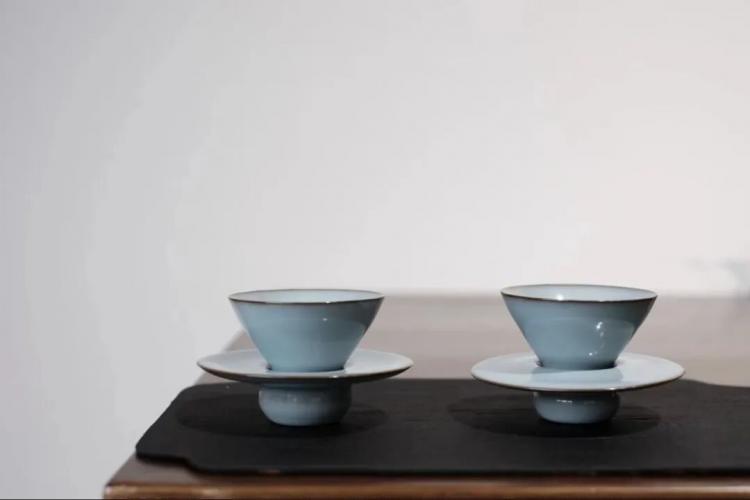
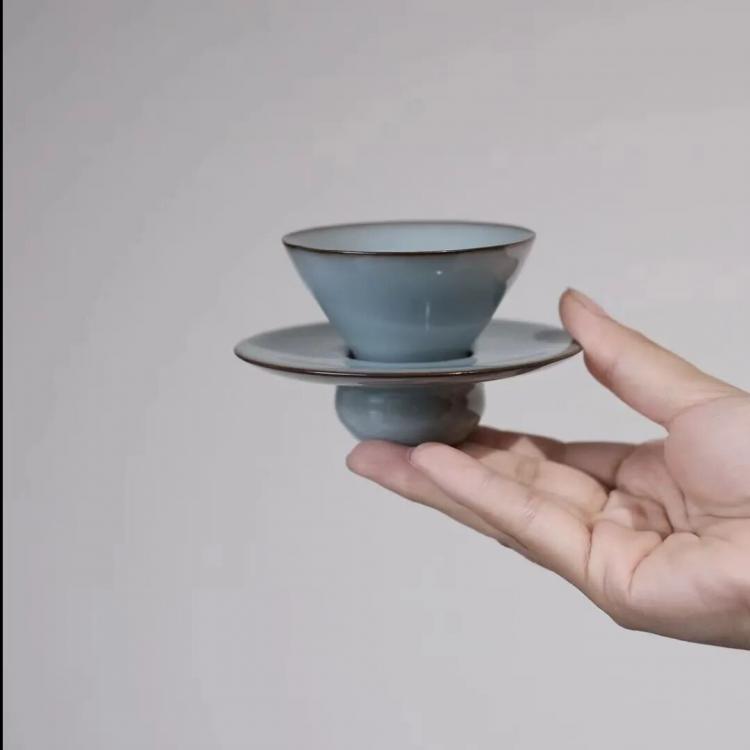
“品汝色天香酒,阅华夏文化史”,一起与历史碰杯
Appreciating Ru Se Tian Xiang Wine Reading the History of Chinese Culture and clinking glasses with history together
3
Ge kiln
哥窑.
窑工的遗憾,文人的深刻
The regret of kiln workers, the profound insight of literati
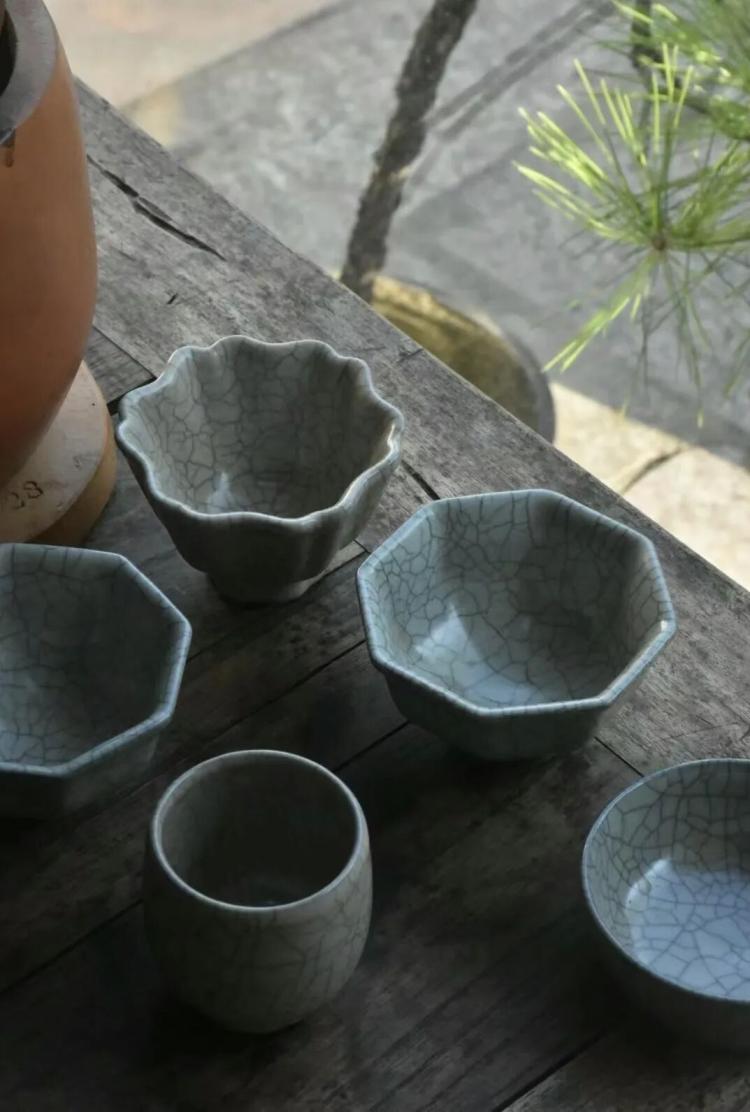
宋代五大名窑之一,哥窑瓷器一般胎色较深,釉色有青灰、粉青、米黄等,釉层凝厚如脂,釉面润泽如酥,开片大小、深浅不一,俗称“金丝铁线”,是用墨汁、茶叶汁、没食子酸等着色剂刻意染成的。
One of the five famous kilns of the Song Dynasty, Ge kiln porcelain generally has a deep base colour, with glaze colours such as bluish grey, powder green, and beige. The glaze layer is as thick as grease, and the glaze surface is moist and crisp. The opening size and depth vary, commonly known as "golden thread and iron wire", which is deliberately dyed with ink, tea juice, gallic acid and other colouring agents.
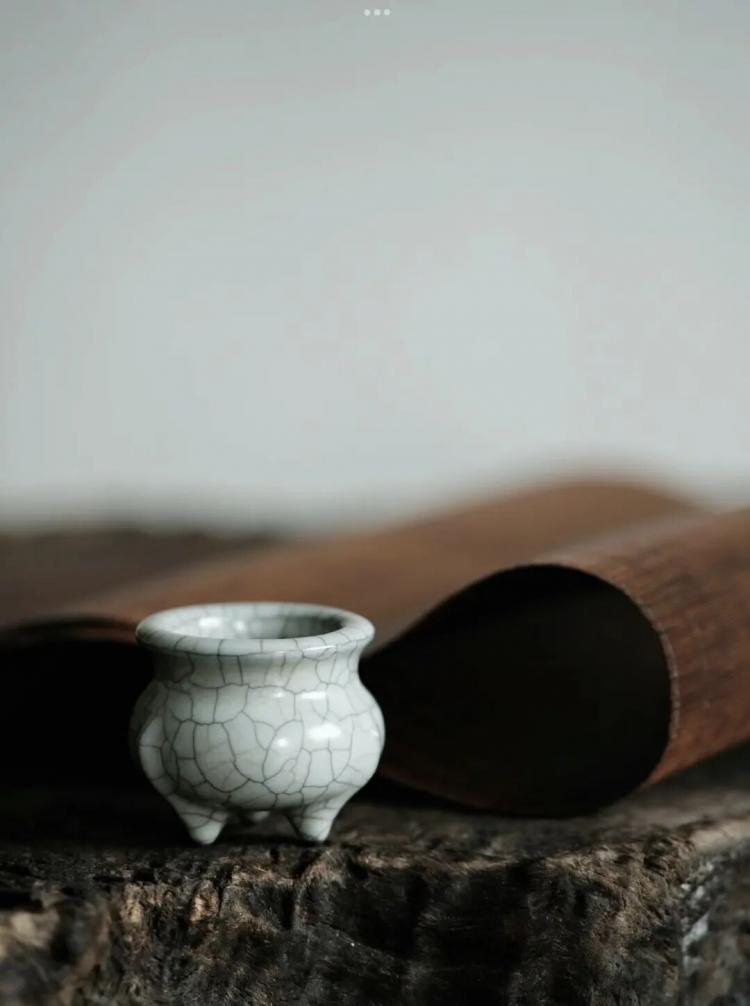
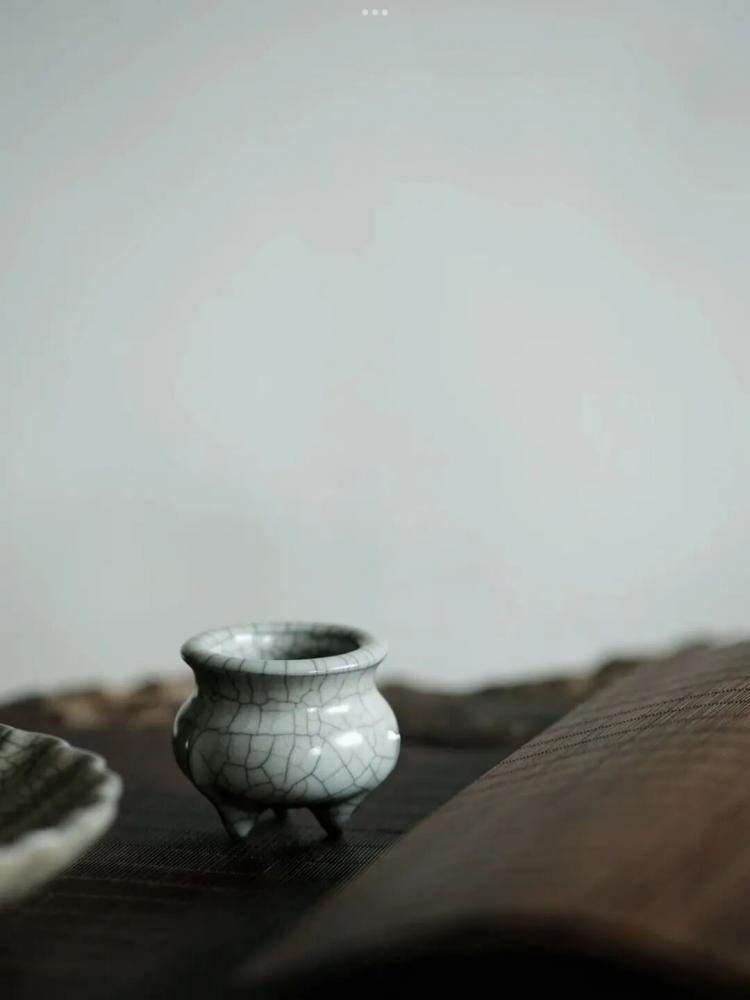
大纹片由于粗而深,着色剂容易渗透,故颜色很深,小纹片由于细而浅,着色剂不易渗透,颜色较浅。哥窑多仿商周青铜礼器,如鼎式炉、簋式炉、贯耳瓶等,给人以古朴之美。
Due to their thickness and depth, large textured patches are prone to dye penetration, resulting in a deep colour. Small textured patches, due to their thinness and lightness, are less prone to dye penetration, resulting in a lighter colour. The Ge kiln often imitates bronze ritual vessels from the Shang and Zhou dynasties, such as tripod-style furnaces, gui-style furnaces, and guan ear vases, giving people rustic beauty.
Ge kiln glaze
传世哥窑釉以铁为着色剂,在特定的烧造温度和氛围下,产生呈黄褐色的硅酸铁和青色的硅酸亚铁,呈现青、黄两种色调。窑内氧气较多时,釉色呈月白色至深浅米黄色的黄色调;当窑内氧气较少,釉色呈粉青色至天青色;窑内氧气极少呈强还原气氛时,釉色则呈现翠青色至虾青色至灰青色,甚至油灰色。
The traditional Ge kiln glaze uses iron as a colouring agent, and under specific firing temperatures and atmospheres, produces yellow-brown iron silicate and blue ferrous silicate, presenting two colour tones of green and yellow. When there is a lot of oxygen in the kiln, the glaze colour is a yellow tone ranging from moon white to light and dark beige; When there is less oxygen in the kiln, the glaze colour becomes powder blue to sky blue; When there is very little oxygen in the kiln and a strongly reducing atmosphere is present, the glaze colour appears as emerald blue to shrimp blue to grey blue, and even oil grey.
相传从宋代就已经开始烧制了。然而迄今未找到确切窑址,所以也有人说哥窑是五大名窑中最富有神秘色彩的。
It is said that firing has been ongoing since the Song Dynasty. However, the exact kiln site has not been found so far, so some people say that the Ge kiln is the most mysterious among the five famous kilns.
哥窑的瓷器以其独特的开片纹理和丰富的釉色闻名于世。这种开片纹理被称为“百圾碎”,更小的开片称为“鱼子纹”。
The porcelain of Ge kiln is famous for its unique open-grain texture and rich glaze colour. This kind of open pattern is called "hundred pieces of garbage", and smaller open patterns are called "caviar patterns".
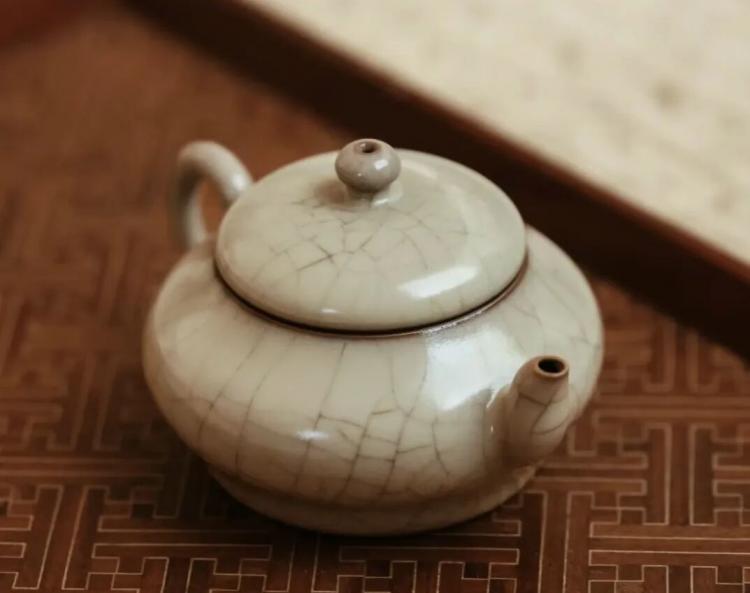
这些原本是缺陷的开片,在哥窑瓷器上却变成了自然天成的装饰,显示了宋代 工匠们在制瓷工艺上的精湛技艺。
These originally defective cracks have become natural decorations on Ge kiln porcelain, demonstrating the exquisite craftsmanship of Song Dynasty craftsmen in porcelain making.
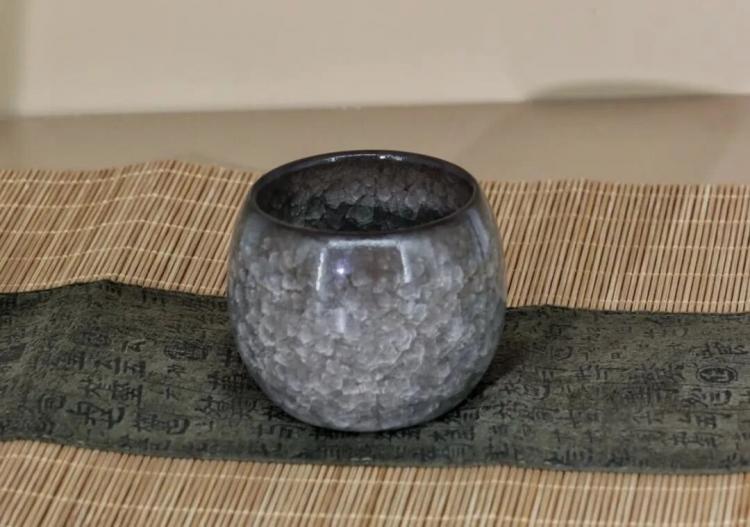
4
Jun kiln
钧窑.
“洪炉幅透原泥身,釉色斑斓数宝钧。极品信从窑变得,成功一件价无伦。”——李铎《咏钧瓷》
The Honglu painting reveals the original clay body, and the glaze colours are colourful and precious. The exquisite letter has transformed from the kiln, and a successful piece is priceless. "- Li Duo's" Ode to Jun Porcelain "
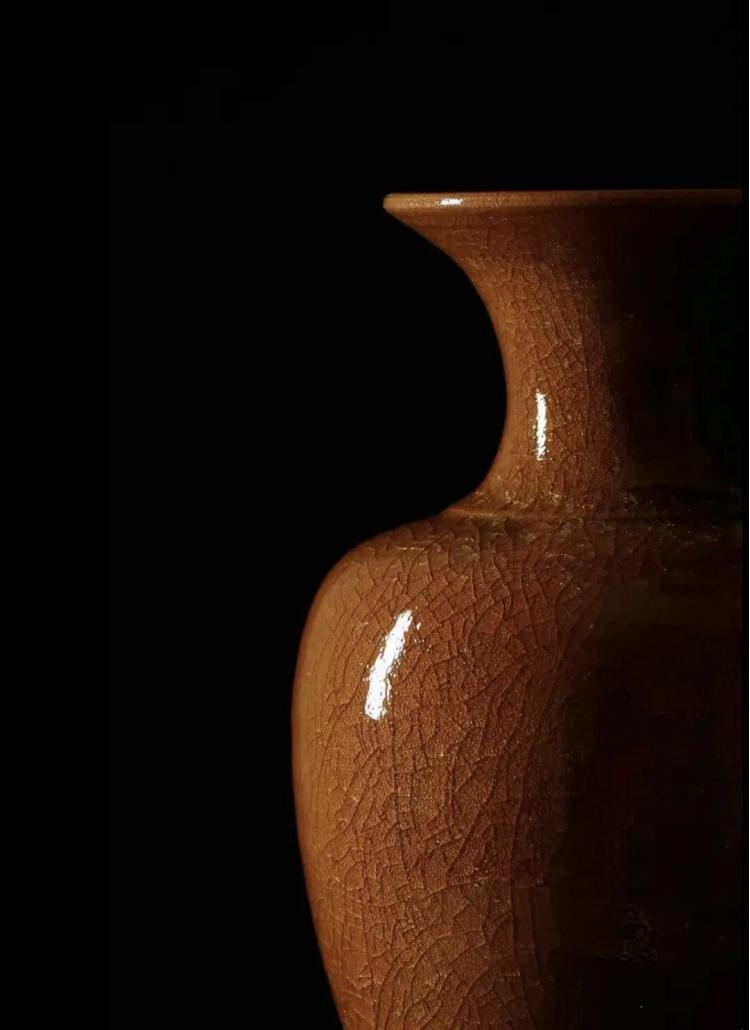
钧窑,即钧台窑,是在柴窑瓷器和鲁山花瓷的风格基础上综合而成的一种特殊瓷器。钧,即重量,北宋早期官窑钧瓷分量沉重。中华瓷文化的传统风格就是外表朴实而内秀其中。所谓“华夷光暗滋”的含蓄内敛,道出了宋瓷的本质特点。
Jun kiln, also known as Juntai kiln, is a special type of porcelain that combines the styles of Chai kiln porcelain and Lushan flower porcelain. Jun, also known as weight, was a heavy component of Jun porcelain from early Northern Song Dynasty official kilns. The traditional style of Chinese porcelain culture is characterized by a simple exterior and a refined interior. The implicit and introverted nature of the so-called 'Huayi Guang Mu Zi' reflects the essential characteristics of Song porcelain.
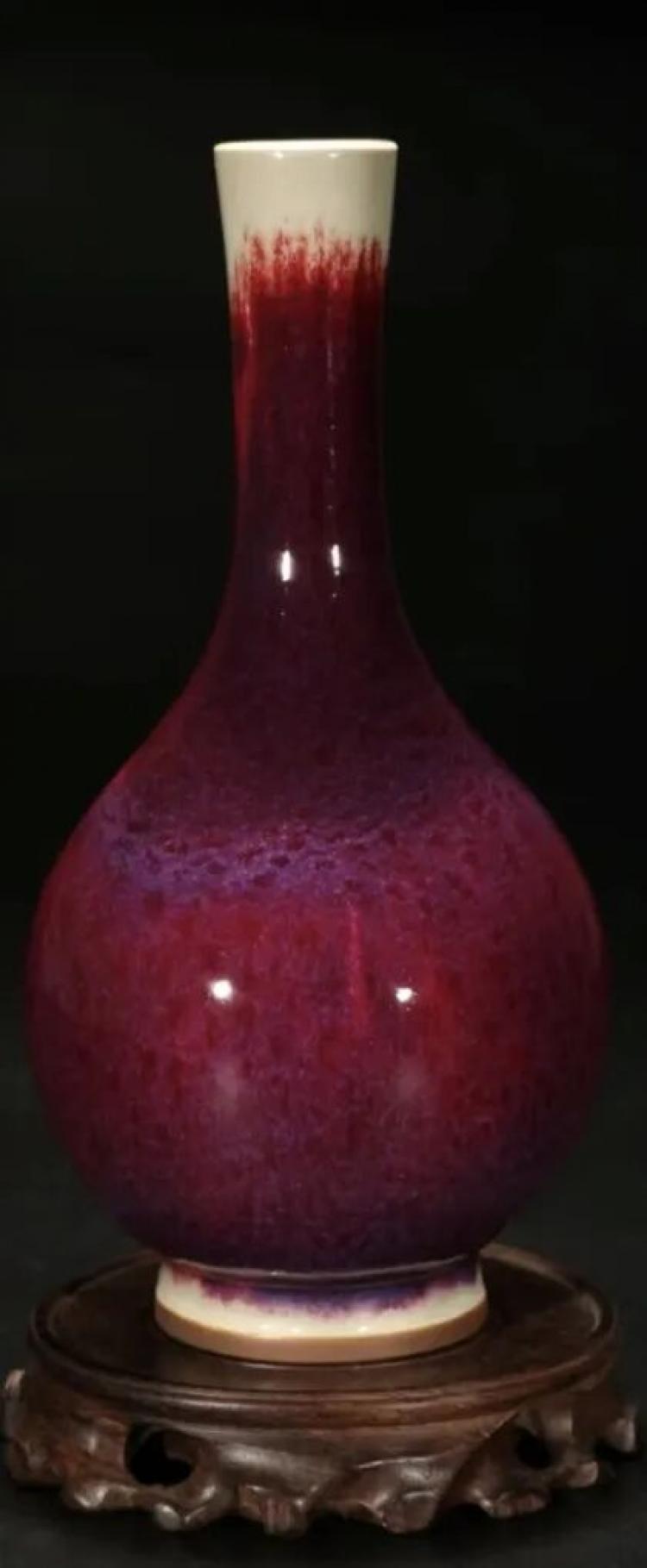
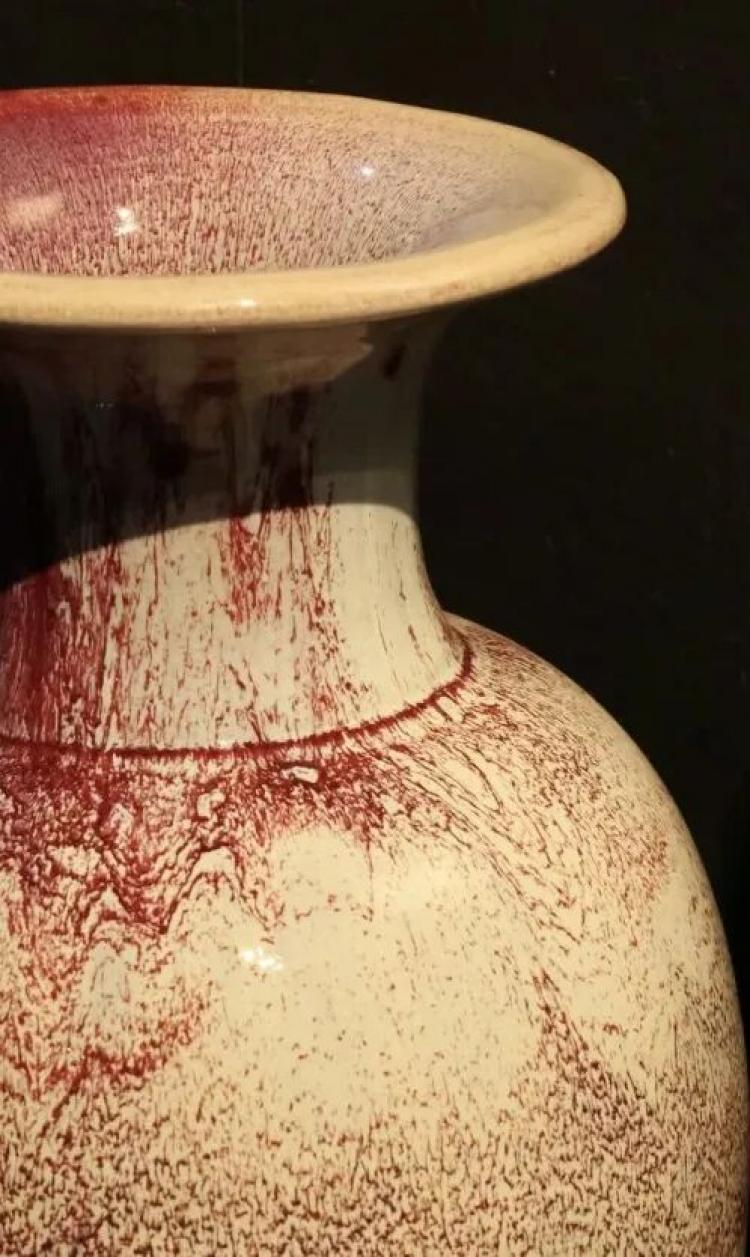
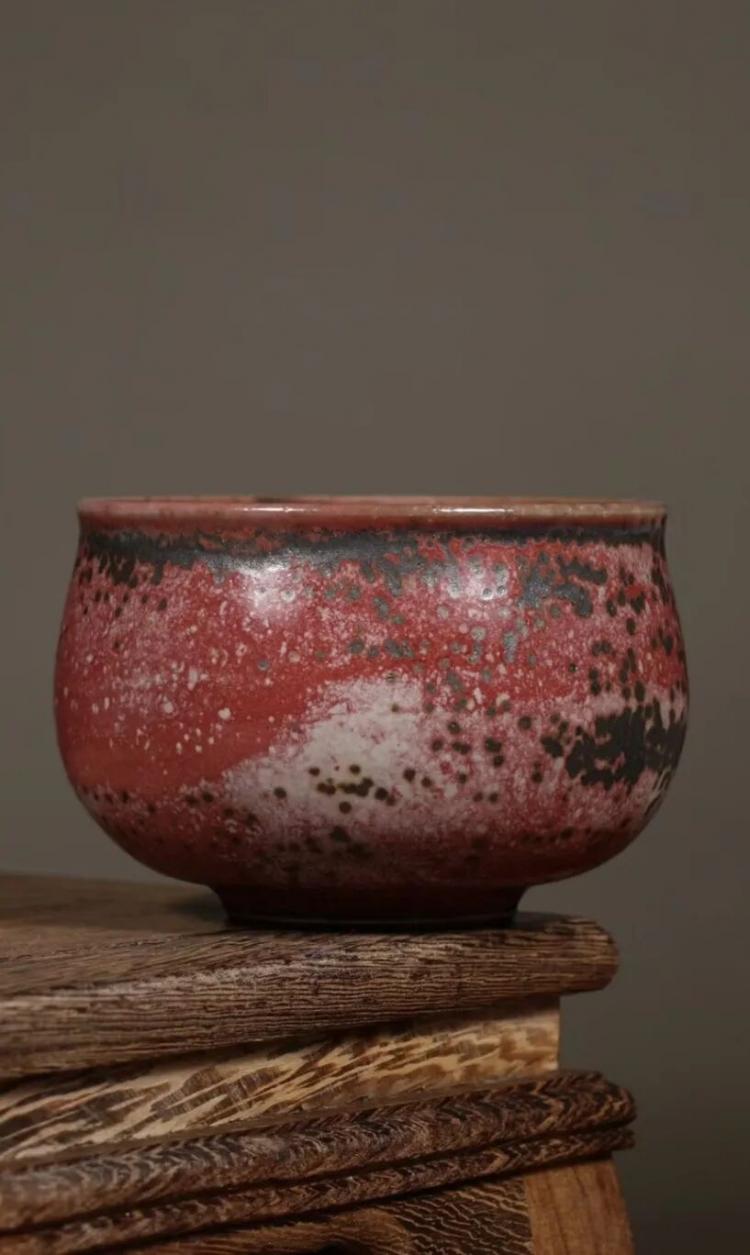
钧窑瓷器的风格受道家思想深刻影响,在宋徽宗时期其工艺技术发挥到极致,无论是呈色和各种纹理的表现,做到窑变可控随心所欲的表现技术,无人能仿造。北宋钧窑做到窑变可控,蚯蚓走泥纹是其特征之一。宋钧瓷最重要的价值就是在于它对釉面随心所欲的表现力。钧窑的特点蚯蚓走泥纹的形成是因为瓷器的釉厚。钧窑瓷器的釉是非常厚的,而且还很黏稠,所以它在冷却的时候,那种被釉填平的地方,就形成了像雨过天晴之后蚯蚓在湿地上爬过的痕迹。北宋钧窑经过不断地摸索,最终匠人可以做到窑变可控,蚯蚓走泥纹就是其中的特征之一。
The style of Jun kiln porcelain was deeply influenced by Taoist thought, and during the reign of Emperor Huizong of Song, its craftsmanship was fully utilized. Whether it was the expression of colour and various textures, the technique of controllable kiln changes was achieved, and no one could imitate it. The Jun kiln of the Northern Song Dynasty achieved controllable kiln changes, and one of its characteristics was the movement of earthworms through mud patterns. The most important value of Song Jun porcelain lies in its ability to freely express the glaze surface. The characteristic of Jun kiln is that the formation of earthworm-walking mud patterns is due to the thick glaze of the porcelain. The glaze of Jun kiln porcelain is very thick and sticky, so when it cools down, the areas filled with glaze form traces like earthworms crawling on the wetland after the rain clears. After continuous exploration, the craftsmen of the Jun kiln in the Northern Song Dynasty were able to achieve controllable kiln changes, with the characteristic of earthworms walking through the mud pattern being one of its features.
CHINA
宋代钧瓷多以器皿类造型出现,如花盆、花托、瓶、洗、杯、奁、尊、碗、盆、盘、壶、炉等。其中以养花用的花盆类居多,其次是文房用品类的洗、盆等,再次是审美的、寓意权贵的、祭祖用的瓶、尊、炉、鼎等。这三类宋代钧瓷已经从简单的日用品类上升到精神需要,表明钧瓷的功能是致力于审美需要的,突出一种“宋之雅”。
Jun porcelain in the Song Dynasty often appeared in the form of vessels, such as flower pots, flower trays, bottles, washing cups, cups, chests, guns, bowls, basins, plates, pots, stoves, etc. Among them, flower pots are mostly used for growing flowers, followed by washing and pots for stationery, and then aesthetic, symbolic of the powerful, and ancestral vessels such as bottles, zuns, stoves, and tripods. These three types of Song Dynasty Jun porcelain have risen from simple daily necessities to spiritual needs, indicating that the function of Jun porcelain is dedicated to aesthetic needs, highlighting a kind of "Song elegance".
“钧瓷无对,窑变无双”,钧瓷色彩天成,世上绝无相同之两件钧瓷,所谓“钧无双”;而且钧瓷烧制极难,有“十窑九不成”之说,钧瓷为帝王皆钦定为御用珍品,亦“君无双”之意。
Jun porcelain is unmatched, and kiln changes are unparalleled. Jun porcelain has a natural colour, and there are no two identical Jun porcelain pieces in the world, known as "Jun unparalleled"; Moreover, firing Jun porcelain is extremely difficult, and there is a saying that 'nine out of ten kilns cannot achieve success'. Jun porcelain is designated as a precious treasure by emperors and kings, and also means' unparalleled'.
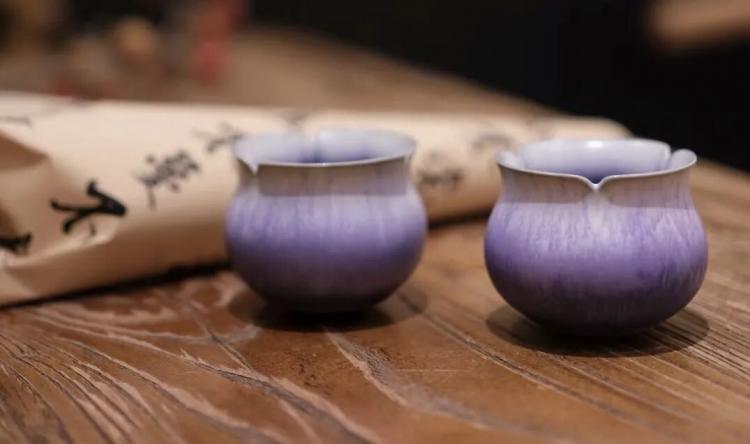
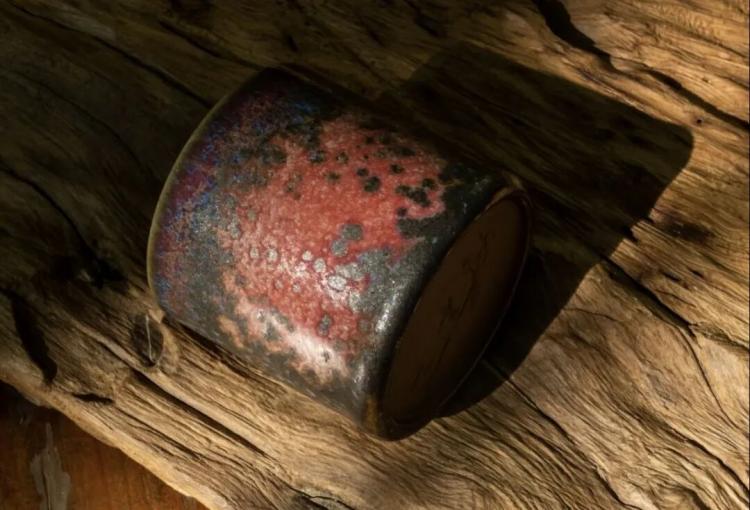
钧窑瓷器采用氧化铜为着色剂,烧出的瓷器釉色青中带红、如晚霞一般美丽。钧窑瓷器的釉色大体上可以分为蓝、红两大类。
Jun kiln porcelain uses copper oxide as a colouring agent, and the glaze colour of the fired porcelain is blue with a hint of red, beautiful like a sunset. The glaze colour of Jun kiln porcelain can be roughly divided into two categories: blue and red.
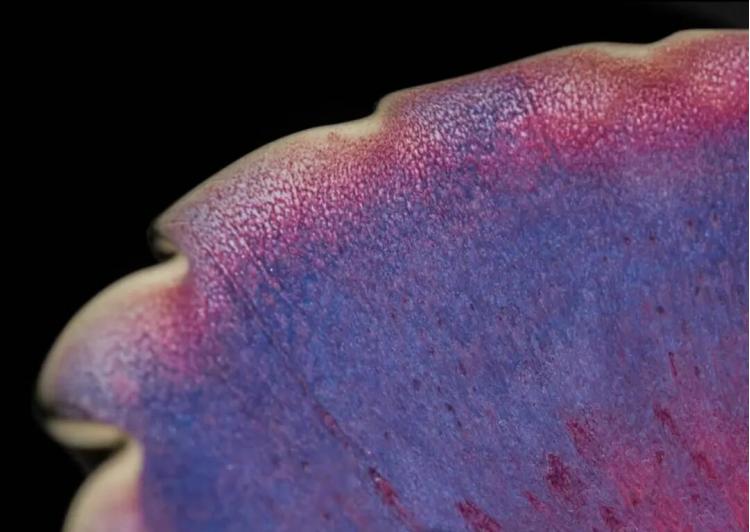
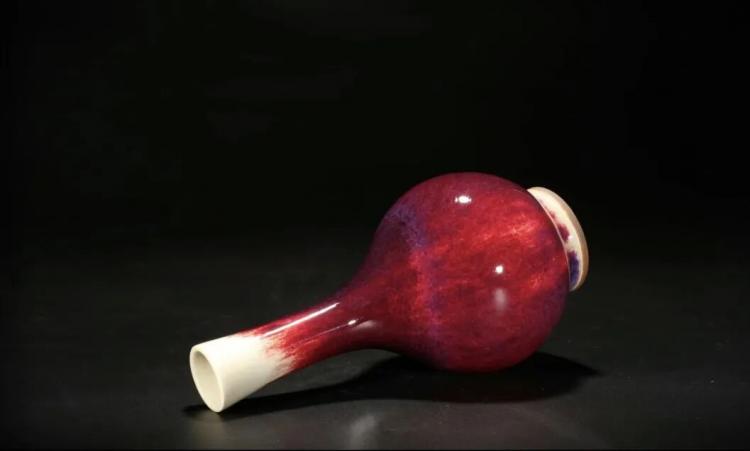
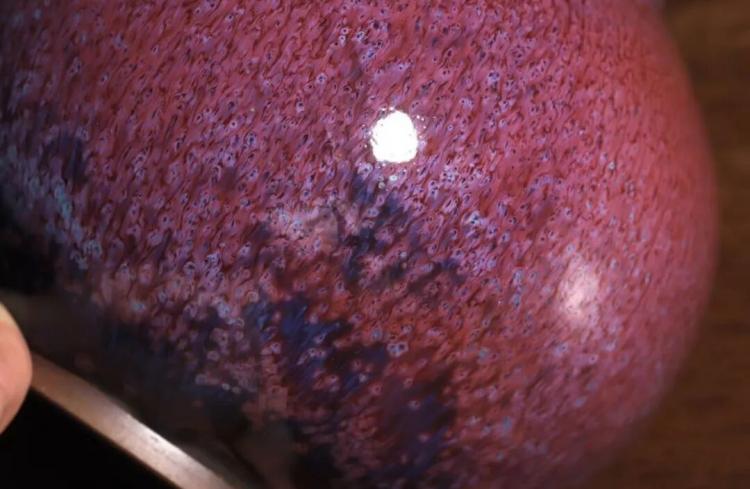
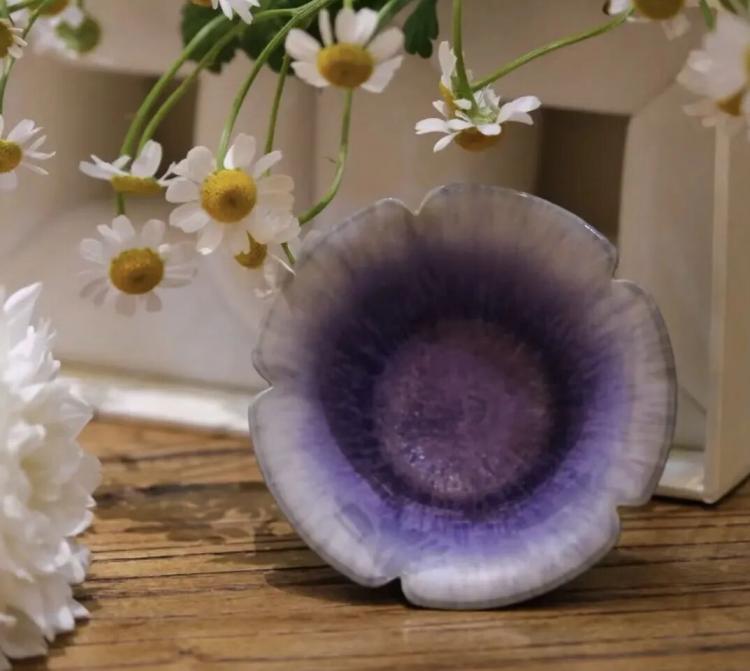
钧窑瓷器的釉色之美灵活而多变。传统的钧窑瓷器娇美多姿,有玫瑰紫、钧红、天蓝、月白、胭脂红、海棠红、茄皮紫、鸡血红、葡萄紫等等。这些艳丽多姿的色泽可谓流光溢彩、异彩纷呈。
The beauty of the glaze colour in Jun kiln porcelain is flexible and varied. Traditional Jun kiln porcelain is beautiful and diverse, including rose-purple, Jun red, sky blue, moon white, rouge red, crabapple red, eggplant skin purple, chicken blood red, grape purple, and so on. These vibrant and colourful hues can be described as dazzling and colourful.
5
Song kiln
定窑.
“质细胎薄釉面光,花纹刻印世无双。 ”
Fine texture, thin glaze surface, unparalleled pattern engraving in the world
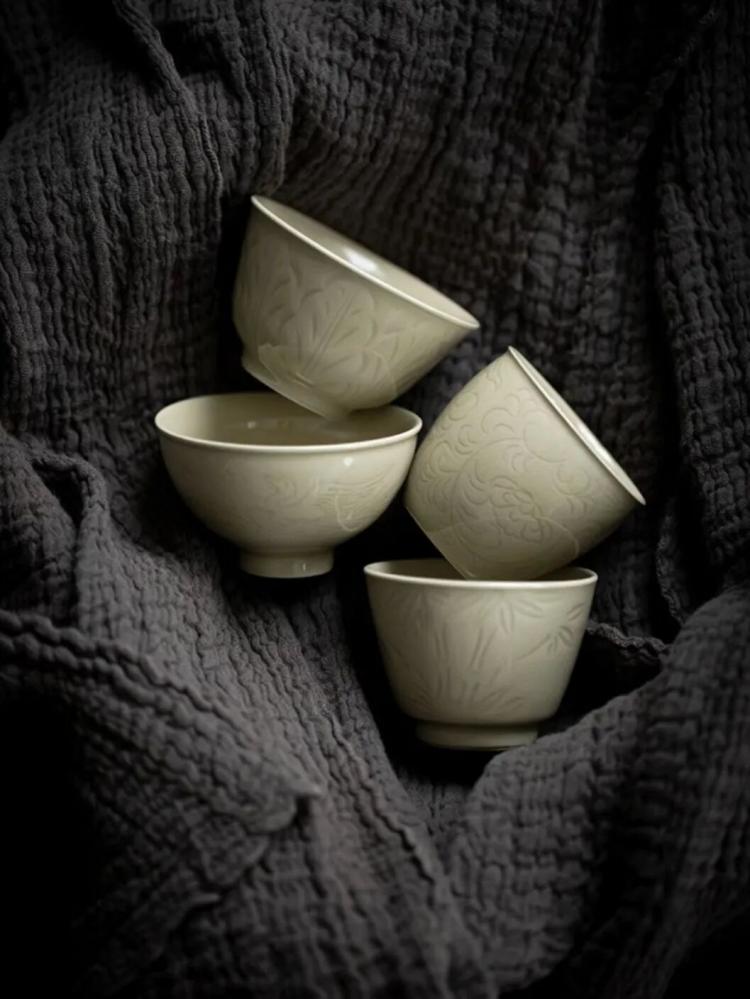
定窑为宋代五大名窑之一,窑址在今河北省曲阳涧滋村及东西燕村,在宋代属定州。定窑是我国宋金时代北方生产规模最大、影响最广、贡御时间最长的瓷窑场,是中国古代白瓷生产中最具代表性的一个杰出的窑场。
Ding Kiln is one of the five famous kilns of the Song Dynasty, located in Jianzi Village and Dongxiyan Village in Quyang, Hebei Province. It belonged to Dingzhou during the Song Dynasty. Ding Kiln was the largest and most influential porcelain kiln site in northern China during the Song and Jin dynasties, with the longest tribute time. It is the most representative and outstanding kiln site in ancient Chinese white porcelain production.
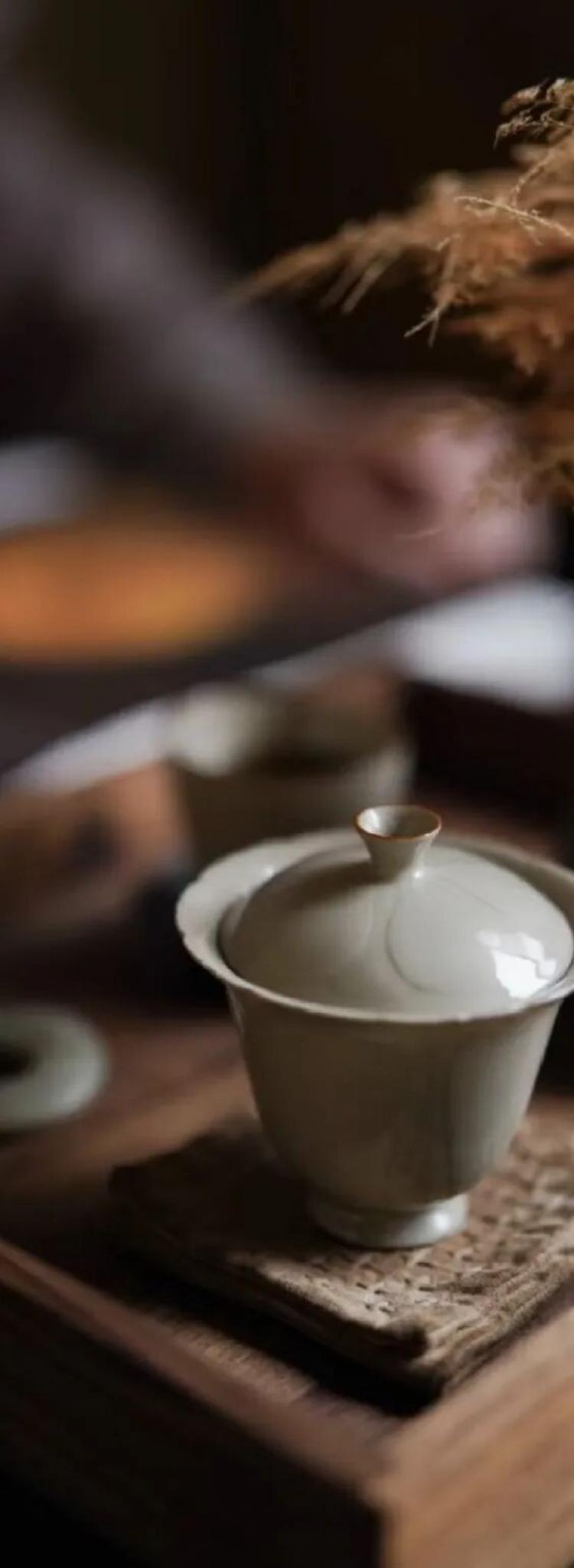
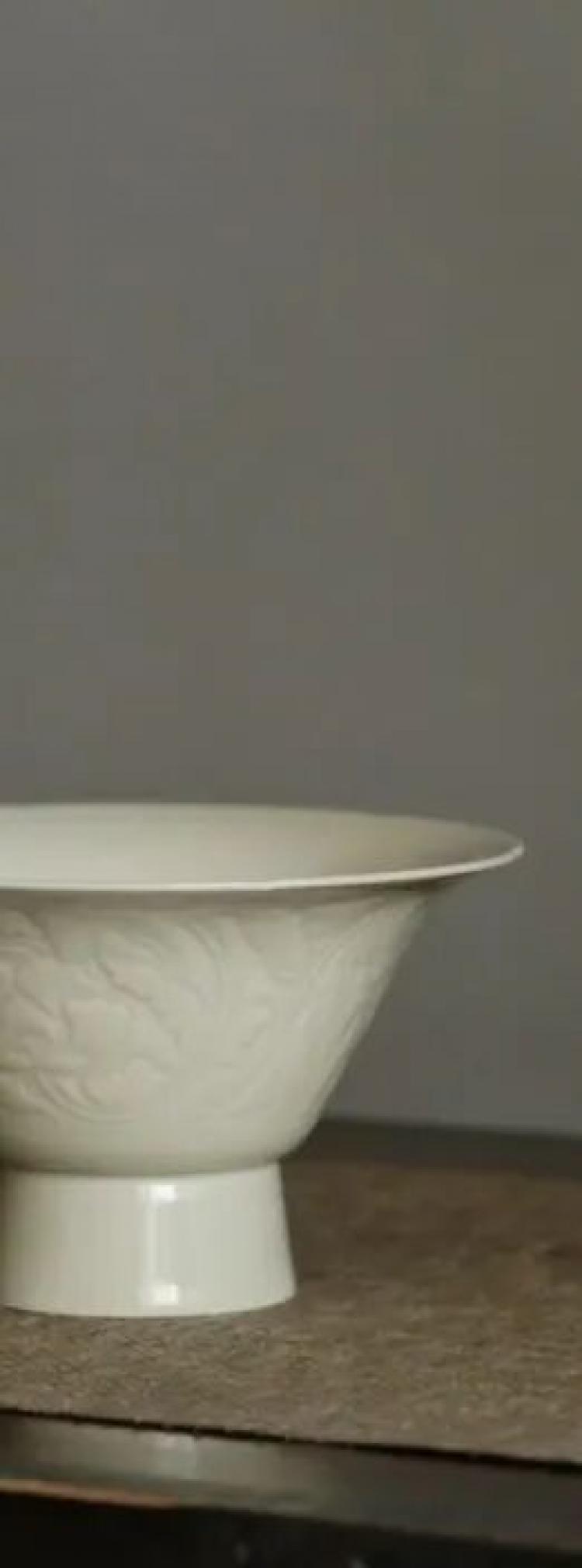
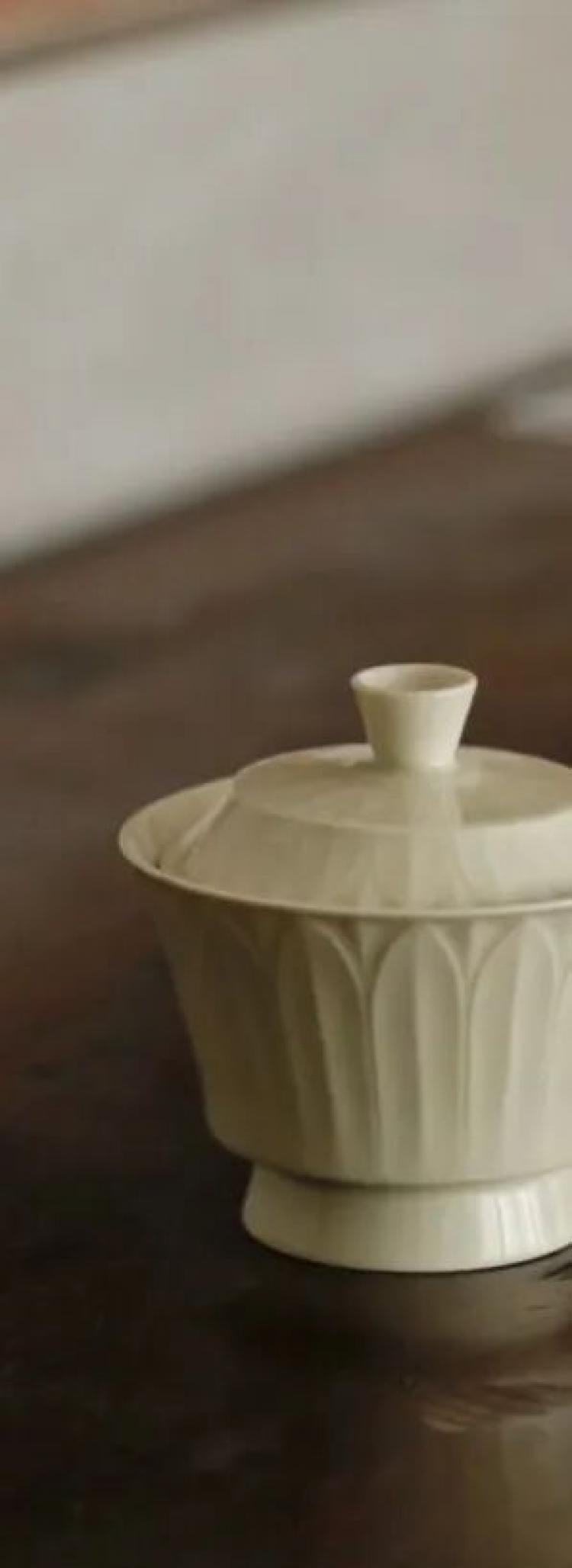
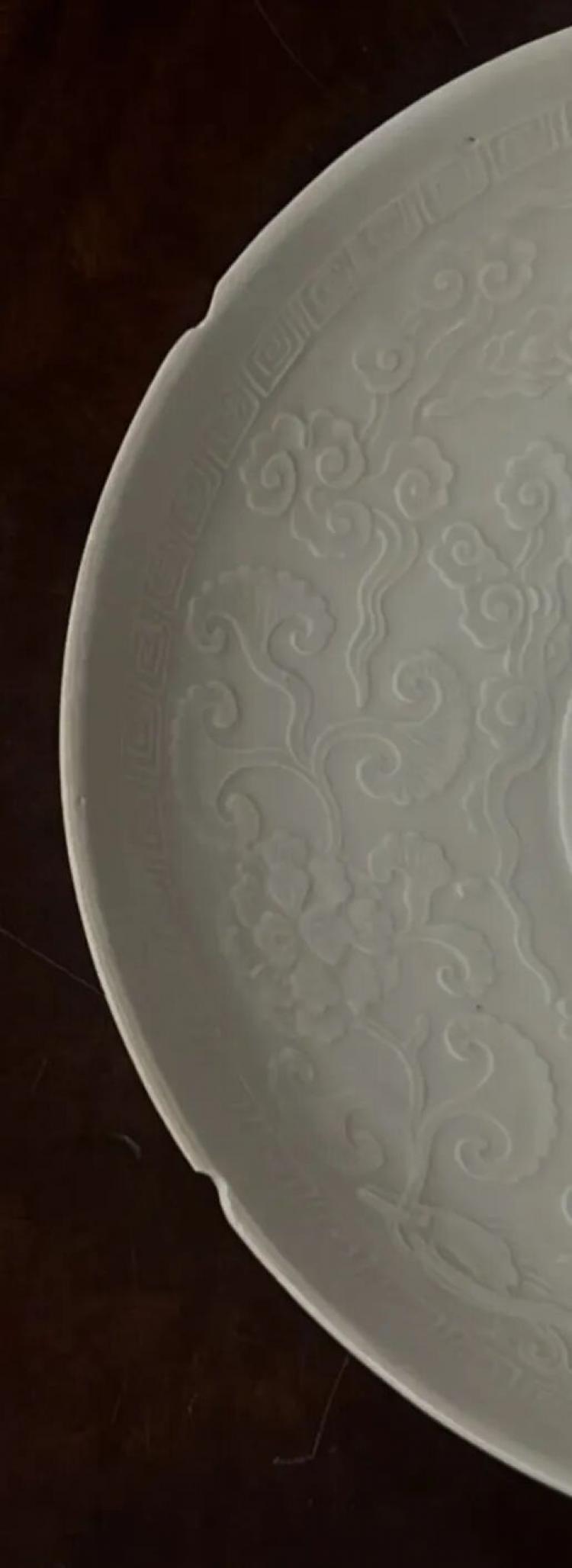
北宋时期,定窑取代了曾在唐代盛极一时的邢窑白瓷的地位,一跃成为”天下第一”的名牌产品,因为定窑器物的精细特征迎合了宋代士大夫阶层的审美情趣,注定成为当时士大夫们所关注和青睐的瓷器。许多被进献到宫廷、官府,供皇帝贵族使用。
During the Northern Song Dynasty, Ding kiln replaced the position of Xing kiln white porcelain, which was once flourishing in the Tang Dynasty, and became the "number one" famous brand product. Because the fine features of Ding kiln objects catered to the aesthetic taste of the Song Dynasty literati class, it was destined to become the porcelain that the literati of that time paid attention to and favoured. Many were presented to the court and government for use by the emperor and nobles.
窑烧制白瓷为主,瓷质精良、色泽淡雅,纹饰秀美 胎体轻薄,胎质洁白。釉面多为乳白色,白中闪浅米黄色,呈现出象牙般的质感,给人以柔和悦目、温润恬静之美感,因此也被人誉为:中和之美。
Kiln-fired white porcelain is mainly used, with excellent porcelain quality, elegant colour, beautiful patterns, thin and light body, and pure white body. The glaze is mostly milky white, with a light beige colour in the white, presenting an ivory-like texture that gives people a soft and pleasing, warm and peaceful beauty and is therefore also known as the beauty of neutrality.
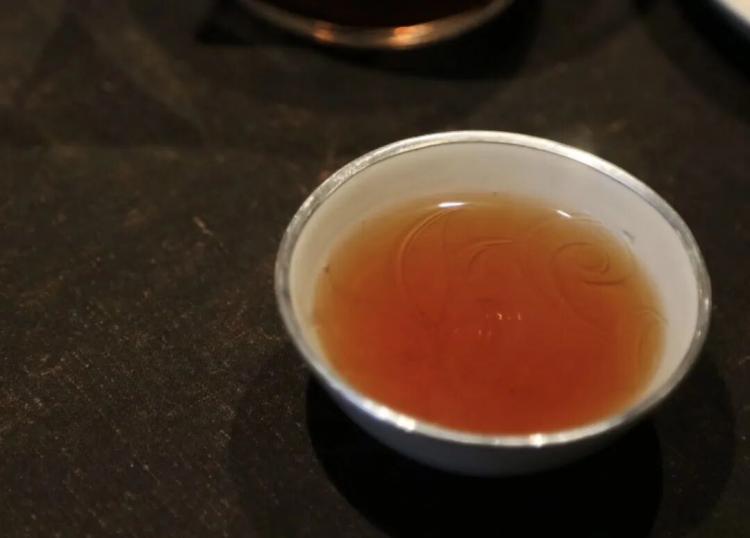
划花是宋代定窑瓷器的主要装饰方法之一。通常以篦状工具划出简单花纹,线条刚劲流畅、富于动感。莲瓣纹是定窑器上最常见的划花纹饰。刻花是在划花装饰工艺基础上发展起来的。有时与划花工艺一起运用。定窑纹饰中最富表现力的是印花纹饰。纹饰总体布局线条清晰,形态经巧妙变形,繁而不乱,布局严谨,讲究对称,层次分明,线条清晰,工整素雅,艺术水平很高。
Huahua is one of the main decorative methods of Ding kiln porcelain in the Song Dynasty. Usually, simple patterns are drawn using a grate-shaped tool, with strong and smooth lines that are full of dynamism. Lotus petal pattern is the most common floral decoration on Ding kiln ware. Carving is developed based on decorative carving techniques. Sometimes used together with carving techniques. The most expressive decoration in the Ding kiln is the printed decoration. The overall layout of the decorative patterns has clear lines, and cleverly transformed forms, and is complex yet not chaotic. The layout is rigorous, emphasizing symmetry, clear hierarchy, clear lines, and neatness, and the artistic level is very high.
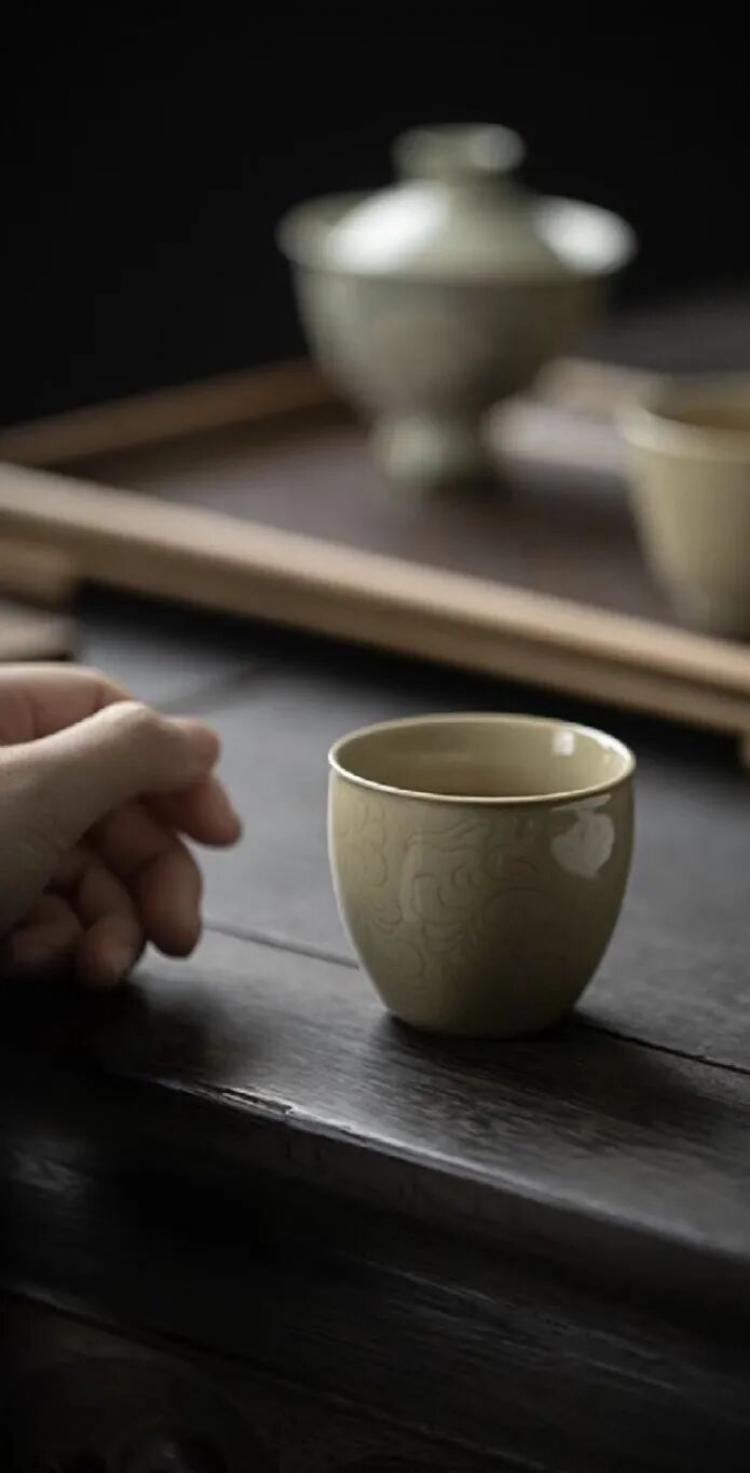
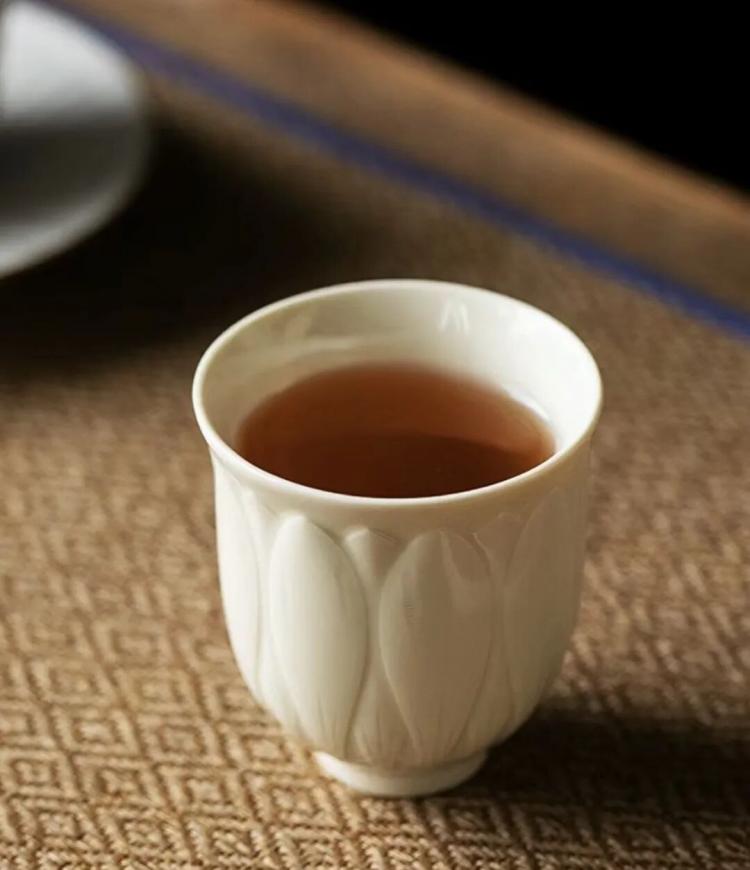
北宋定瓷胎薄质细,釉色莹润,造型丰富,既有生活实用品,又不乏佛教用品。装饰技法成熟,刻花、划花、印花精美,首创支圈覆烧法,大量出土的"官"、"新官"、"尚药局"、"尚食局"款器,彰显了其曾为贡瓷的特殊身份。定窑印花题材以花卉纹最为常见,主要有莲、菊、萱草、牡丹、梅等,花卉纹布局多采用缠枝、折枝等方法,讲求对称。有的碗、盘口沿作花瓣式,碗内印一盛开的花朵,同时在外壁刻上花蒂与花瓣轮廓线。定窑瓷器最精美的纹饰大都集中在盘、碟上,纹饰多者可达四层。
The Northern Song Dynasty Ding porcelain body is thin and fine, with a lustrous glaze colour and rich shapes. It has both practical items for daily life and Buddhist products. The decorative techniques are mature, with exquisite carving, engraving, and printing. The first branch circle overlay firing method was used, and a large number of unearthed "official", "new official", "Shanghai Bureau", and "Shangshi Bureau" utensils demonstrate its special identity as tribute porcelain. The most common theme for Ding kiln printing is floral patterns, mainly including lotus, chrysanthemums, lilies, peonies, plums, etc. The floral pattern layout often uses methods such as entwining and folding branches, emphasizing symmetry. Some bowls and plates have petal-shaped edges, with a blooming flower printed inside the bowl and flower stems and petal outlines carved on the outer wall. The most exquisite patterns on Ding kiln porcelain are mostly concentrated on plates and dishes, with many patterns reaching up to four layers.
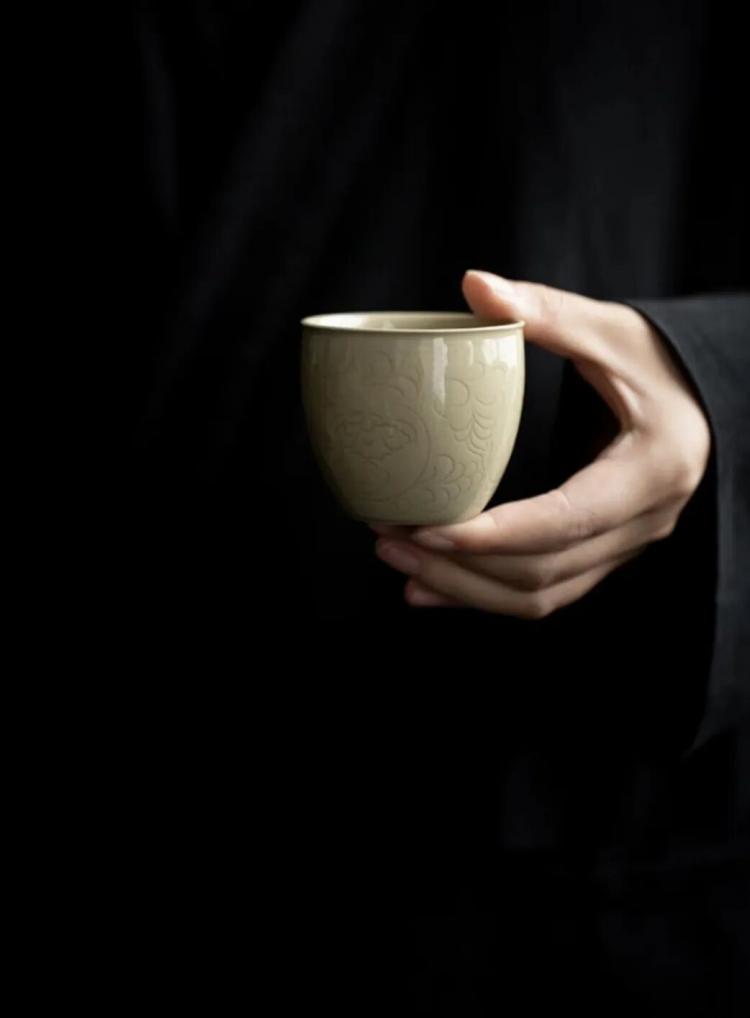
定窑产品以其"白如玉、薄如纸,声如磐"而著称,北宋时期更是制作精湛,瓷质莹润,风格古朴高雅。"定州花瓷瓯,颜色天下白"的美誉,不仅体现了其釉色上的灵动跳跃感,更彰显了其在装饰内容与技法上的登峰造极。
Ding kiln products are known for their "white as jade, thin as paper, and sound like a rock". During the Northern Song Dynasty, they were exquisitely crafted with lustrous porcelain and a quaint and elegant style. The reputation of "Dingzhou Huaci Ou, with a white colour all over the world" not only reflects its dynamic and jumping glaze colour but also highlights its pinnacle in decorative content and techniques.
版权声明:【除原创作品外,本平台所使用的文章、图片、视频及音乐属于原权利人所有,因客观原因,或会存在不当使用的情况,如,部分文章或文章部分引用内容未能及时与原作者取得联系,或作者名称及原始出处标注错误等情况,非恶意侵犯原权利人相关权益,敬请相关权利人谅解并与我们联系及时处理,共同维护良好的网络创作环境,联系邮箱:603971995@qq.com】