

凤翔泥塑产生于春秋战国时期,最早的功用是代替人殉的殉葬品。雍州(凤翔)作为先秦的故都,是中国古代最后一个取消人殉制度的诸侯国,当时为了取得心理上的平衡,采用泥塑替代人殉,之后其规模不断发展。从凤翔地域出土的春秋战国时期古墓葬中也发现了近似于凤翔泥塑品的陪葬器动物、陶人等文物,这也说明了凤翔泥塑从春秋战国时期就已经存在了。
The Fengxiang terracotta figurines originated during the Spring and Autumn and Warring States periods. Their earliest function was to serve as substitutes for human sacrifices in funerary rites. As the former capital of the pre-Qin era, Yongzhou (Fengxiang) was the last feudal state in ancient China to abolish the practice of human sacrifice. At that time, in an effort to achieve psychological balance, terracotta figurines were used in place of human sacrifices. Since then, their scale has continued to grow. Similar terracotta figurine-like funerary objects, including animals and pottery figures, have also been discovered in ancient tombs from Fengxiang’s region dating back to the Spring and Autumn and Warring States periods. This further indicates that Fengxiang terracotta figurines existed during these periods.
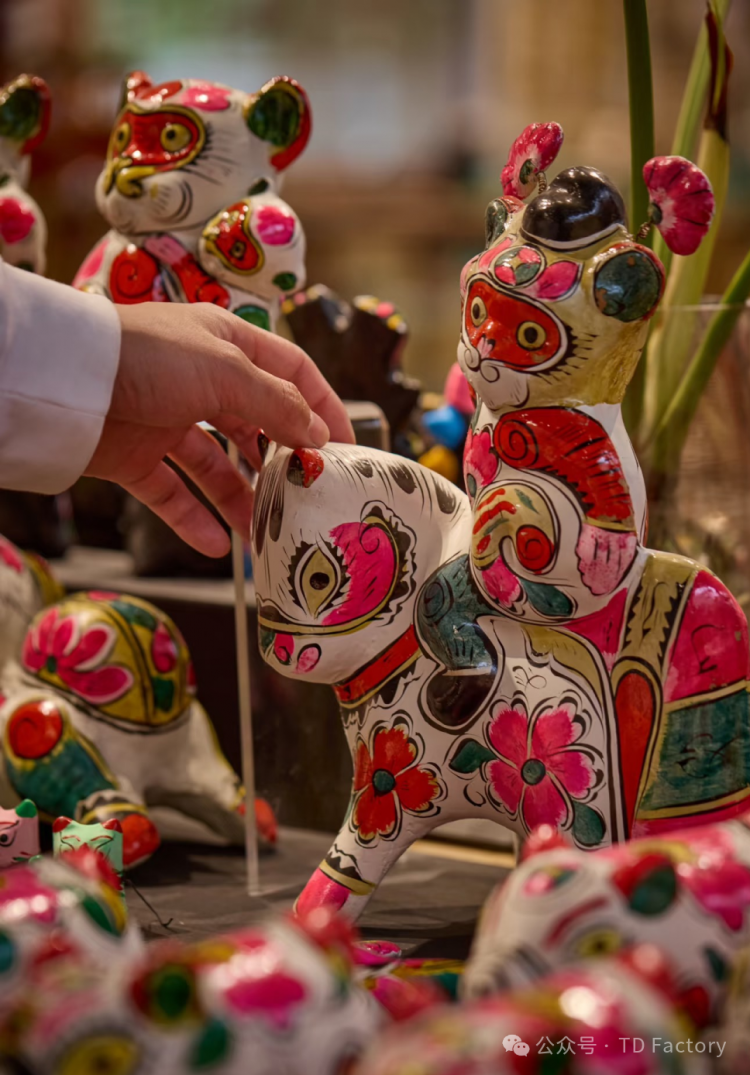
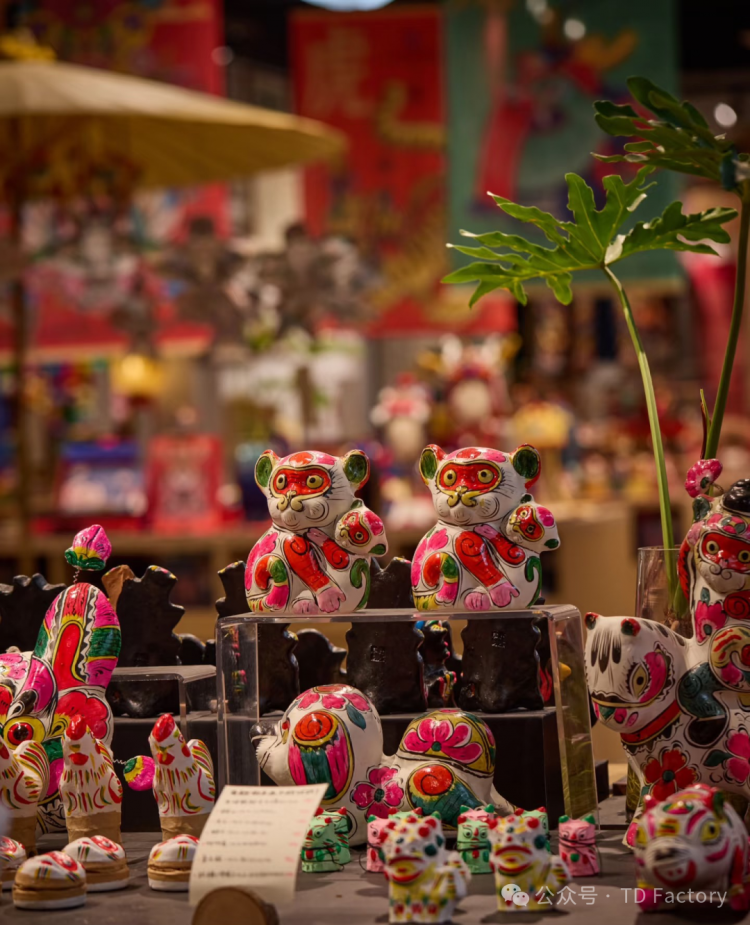
凤翔泥塑有三大类型,一是泥玩具,以动物造型为主,多塑十二生肖形象;二是挂片,有脸谱、虎头、牛头、狮子头、麒麟送子、八仙过海等;三是立人,主要为民间传说及历史故事中的人物造像。凤翔泥塑共有170多个花色品种,其中有半人高的巨型蹲虎、虎挂脸,也有小到方寸的小兔、小狮。
Fengxiang terracotta figurines fall into three main categories. The first type consists of clay toys, primarily featuring animal shapes, often depicting the twelve zodiac animals. The second type includes hanging pieces with facial masks, tiger heads, ox heads, lion heads, the Legend of the Unicorn Bringing Children, and the Eight Immortals Crossing the Sea. The third type features standing figures, mainly depicting characters from folk legends and historical stories. Fengxiang terracotta figurines encompass over 170 distinct varieties, including massive crouching tigers that stand half a person tall, as well as small creatures like rabbits and lions that are as tiny as a fraction of an inch.
制作工艺
1.彩土:凤翔泥塑主要原料是六营村东边万泉沟内的观音土,人们常叫板板土。这种土质细腻,含沙量适宜,沙粒细而匀称,无杂质,是制作泥塑的上好原料。
1. Color clay: The primary material used in Fengxiang terracotta figurines is the kaolinite found in Wanquan Gorge, located to the east of the Six Camp Village. This type of clay is commonly referred to as “banban soil.” It has a fine texture, suitable levels of sand content, fine and uniform sand particles, and no impurities, making it an excellent material for creating terracotta figurines.
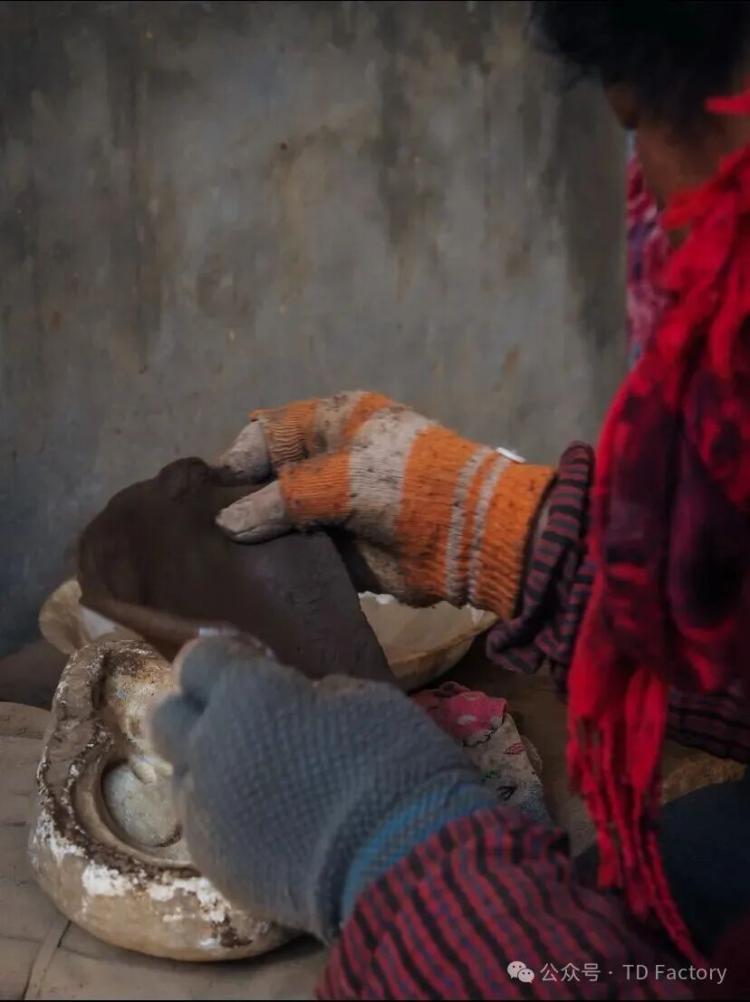
2.砸泥:将采集的原始土放在石板上,用木骨朵(一种原始农具,形如古时仪仗中的骨朵,故而得名)砸碎研细,撒上清水,过一至二个时辰,待土完全浸泡湿透后,再往泥内加入适量纤维,如麻纸和棉花纤维,反复捶打,制成韧性强的纸筋泥。
2. Breaking up the mud: Place the collected raw soil on a stone slab, smash it into fine powder using a wooden mallet (a primitive farming tool shaped like the petals of ancient ceremonial banners, hence its name). Sprinkle it with clean water. After one to two hours, once the soil has fully soaked through, add an appropriate amount of fibers such as hemp paper and cotton fibers to the mud. Continue pounding it repeatedly to create a strong, resilient paper-like clay.
3.造型:造型是传统泥塑工艺中技术含量最高的一道工序,也是区别艺人手艺高低的分水岭。艺人常常根据自己的审美要求,先用手捏塑出大概形象,再借助于尖、圆等大小不同的工具,通过点、按、挑、刻、划等手法塑造形体,晾干后即成模型(楔子)。
3. Forming: Forming is the most technically demanding step in traditional clay modeling techniques and serves as a dividing line to distinguish between the skill levels of artisans. Artisans often begin by manually shaping the basic form according to their aesthetic requirements, then use tools of varying shapes and sizes, such as pointed and rounded tools, to mold the body through techniques like dotting, pressing, picking, carving, and scratching. Once dried, the resulting model (a wedge) is complete.
4.制模:制模是将创作的作品制成翻坯用的模具。先把成型的模型放在平地上,再将纸筋泥擀成指头厚的泥片,盖在涂了植物油的模型上,双手用力挤捏,使其凹凸结合紧密,然后把其轻轻放入盛满草木灰的器皿中,待水分稍干,使纸筋泥与模型分离。
4. Model Making: Model making involves creating molds for shaping the artwork. First, the formed model is placed on a flat surface. Then, paper-reinforced clay is rolled into sheets about the thickness of a finger and placed over the model, which has been coated with vegetable oil. The clay is squeezed and pressed firmly by both hands to ensure a tight bond between the model’s surface and the clay. It is then gently placed into a container filled with wood ash. Once the moisture has slightly dried, the paper-reinforced clay is separated from the model.
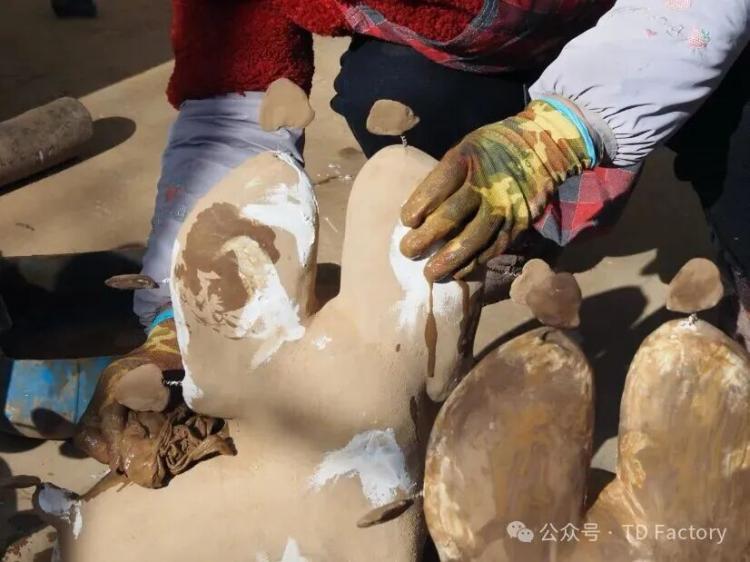
5.翻坯:先将纸筋泥揉成团状,擀成圆饼,再将泥饼覆于凹陷的模具中,用手反复挤压,使泥和模具紧贴,然后去掉边沿多余的泥饼,晾晒至七成干后脱模即可。
5. Preparing the clay: First, knead the paper-fiber mud into a ball shape, roll it out into a round disk, then place the clay disk onto a recessed mold and repeatedly press it with your hands to ensure the clay adheres closely to the mold. Next, remove the excess clay from the edges, dry it to about 70% completion, and then remove the mold.
6.合坯:除挂片浮雕作品外,圆雕泥塑都由前后两片分别捏制,然后拼合成为整体。合坯前,要用湿软的泥条粘于原坯边沿,对茬黏合。用刀、竹等工具填平、抹光合茬高低不平的地方。有些儿童玩具,在拼合时放入泥丸或小石子,使作品晃动时发出声响。
6. Assembling the Mold: Except for the relief works with hanging pieces, the round-shaped clay sculptures are created by shaping two separate pieces from the front and back, which are then combined to form the entire piece. Before assembling the mold, wet and soft clay strips are applied to the edges of the original mold, and the pieces are bonded together. Tools such as knives and bamboo are used to fill in and smooth out any uneven areas at the seams. Some children’s toys incorporate clay pellets or small stones during assembly, which produce sounds when the piece is moved.
7.粉细:先用清水搓洗泥坯,使表面湿透,再用白粉汤浇灌,然后用细砂纸打磨三次,使表面光润白亮。粉洗所用白粉是凤翔县城西边灵山脚下出产的白垩土。将白垩土采来后砸细,加入熬制稀释后的胶液中,搅拌均匀制成白粉汤。
7. Preparation: First, wash the clay pieces with clean water to make the surface thoroughly moist. Then, pour a solution of white powder over it, and finally, use fine sandpaper to smooth and brighten the surface three times. The white powder used for this process is derived from a type of claystone found at the foot of Ling Shan Mountain, to the west of Fengxiang County. The claystone is crushed into fine particles and mixed with a diluted adhesive solution to create the white powder paste.
8.彩绘:绘样也称勾线,即用墨线勾勒出作品的形象与神态。勾线的线条有讲究,线条是造型的根本。勾线分彩绘和素绘两种:素绘需要在全白的泥胎上一墨到底,除了勾出轮廓线外,还需要用墨线描绘出作品的细节和装饰符号,技艺要求较高;彩绘只需要勾出作品轮廓即可。
8. Painting: The process of rendering a design, also known as outlining, involves using ink lines to capture the image and expression of the artwork. The lines used for outlining have specific requirements; lines are the foundation of form. There are two types of outlining: plain painting, where ink is applied to a completely white clay model, requiring the artist to not only outline the contours but also depict details and decorative symbols using ink lines, which demands high skill; and colored outlining, where only the outline of the artwork is painted.
工艺特色
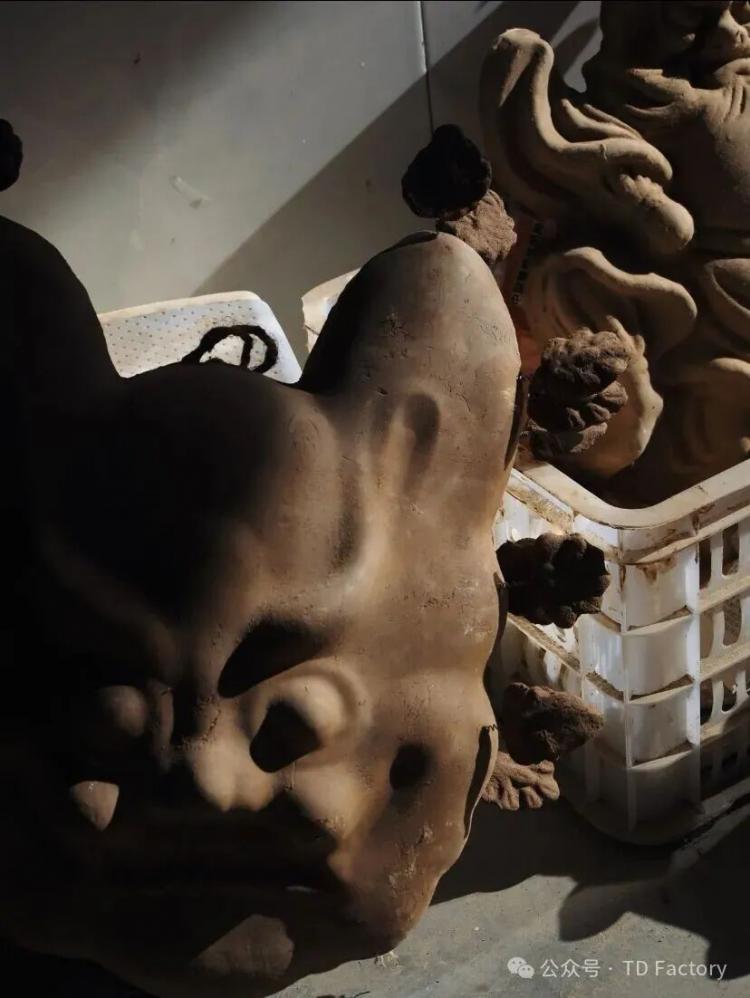
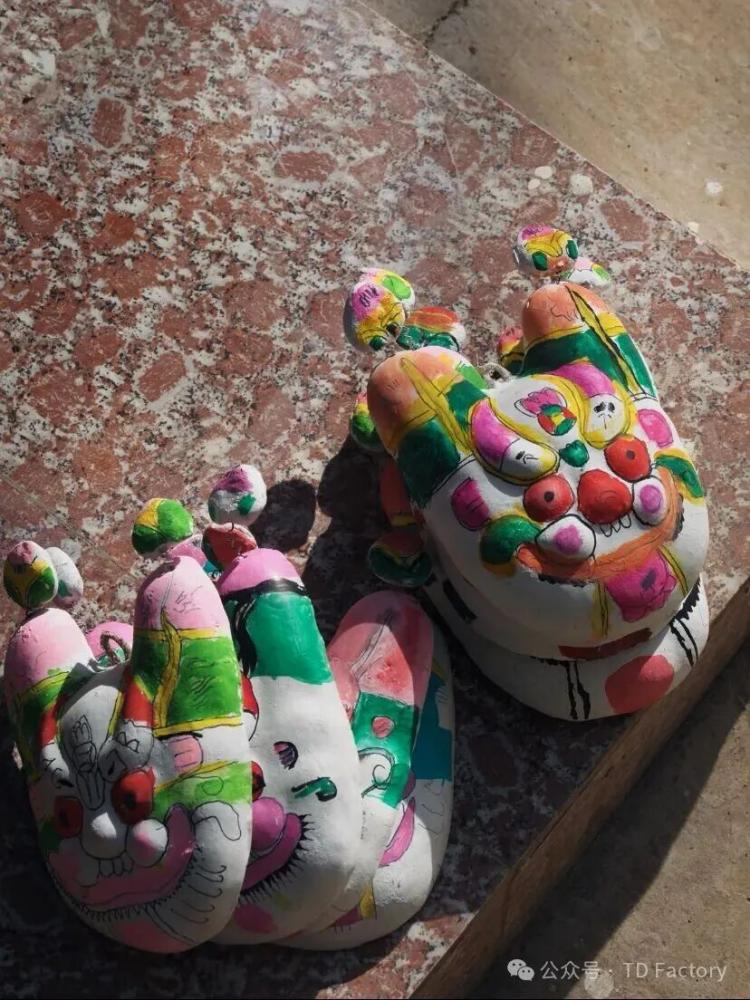
凤翔彩绘泥塑有三大类型,一是泥玩具,以动物造型为主,多塑十二生肖形象;二是挂片,有脸谱、虎头、牛头、狮子头、麒麟送子、八仙过海等;三是立人,主要为民间传说及历史故事中的人物造像。凤翔泥塑共有170多个花色品种,其中有半人高的巨型蹲虎、虎挂脸,也有小到方寸的小兔、小狮;制作中使用黑粘土、大白粉、皮胶等,有模具定性,造型洗练、夸张,装饰华美富繁,色彩艳丽喜庆,形态稚拙可爱,在全国众多的民间泥塑中独树一帜。
The cultural inheritance of Huizhou lacquerware decorating techniques is centered on relying on the "Huizhou cultural genes" and the "continuation of artisanal craftsmanship". It deeply binds practical objects with the aesthetics of the Huipai style and the refined tastes of scholars, adhering to core techniques such as "serrated leather creasing" and "pineapple lacquer". It retains dozens of purely manual processes, including "choosing the lacquer", "manufacturing the lacquer", "decorating and applying the lacquer", and "polishing". At the same time, it integrates modern design, expanding the application of lacquerware from traditional furniture and utensils to decorative paintings and cultural creative products, thus meeting contemporary needs.
凤翔泥塑具有浓郁的乡土气息及较高的民俗文化、民间艺术和美学研究价值,深为有关专家所瞩目。但在商业环境的影响下,现在的凤翔泥塑艺人往往以销定产,一味迎合市场需要,这使得许多传统产品近于灭绝,也使得凤翔泥塑技艺逐步失去原有的文化内涵,不断发生变异。
Deep integration. In the process of inheritance, it always anchors on the distinctive characteristics of the Hui style. The motifs of lacquerware are mostly inspired by the landscapes, archways, and brick carvings of Huizhou. The colors align with the "black, white, and gray" tone characteristic of Huizhou architecture. This not only preserves the cultural memory of Huizhou but also serves as an important symbol of regional culture.
传承发展的时代展望
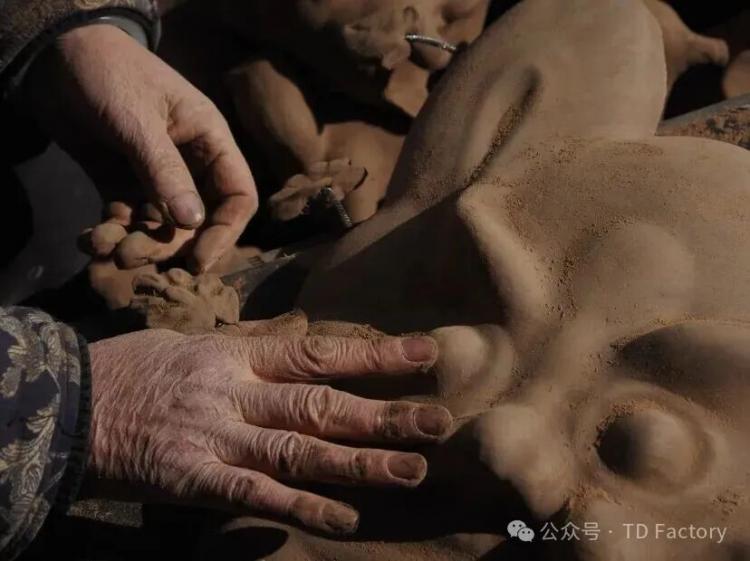
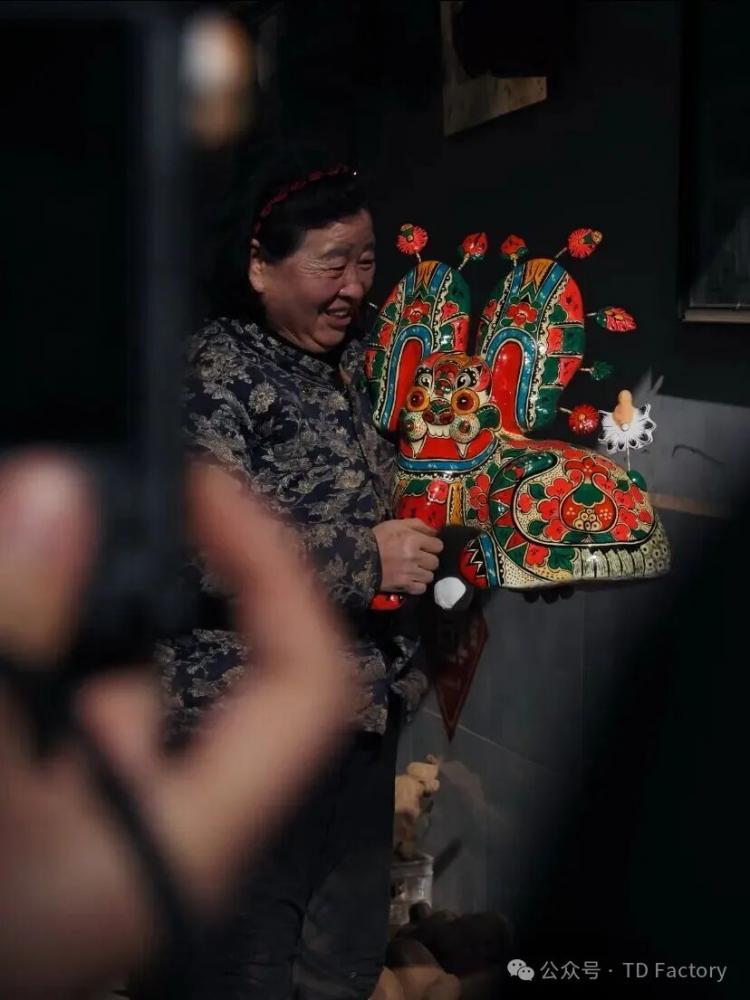
凤翔泥塑是中国文化的瑰宝,也是对世界的一次深情表达。只要这片泥土在,匠人们的手艺就会永远延续。他们用心雕琢的不仅仅是作品,更是文化的灵魂。
Gan Erke's lacquer art adheres to the aesthetics of the Song and Yuan dynasties, and his works consistently maintain a balanced and refined demeanor. He is dedicated to exploring the greatest possibilities for the further development of exquisite lacquerware characterized by its elegance and refinement in the new era. With a straightforward and resolute nature, bolstered by his cultural refinement, he approaches his work with the utmost diligence, adhering to the highest standards of zero errors and zero flaws in every step of the process. As a result, his creations, which are renowned for their beauty and craftsmanship, have been collected by institutions such as the Palace Museum, the National Museum, and the British Museum.
展望未来,只要始终锚定“守正”根基、激活“创新”动能,凝聚政府扶持、非遗传承人坚守、年轻从业者参与、市场主体助力的多方合力,从多维度持续发力,凤翔泥塑技艺这一古老手工艺必将在新时代焕发出新的生机与活力。
Looking to the future, as long as we consistently anchor on the foundation of "upholding principles," activate the dynamic energy of "innovation," and bring together the efforts of government support, adherence by inheritors of intangible cultural heritage, participation by young practitioners, and assistance from market entities, and continue to make efforts from multiple dimensions, the ancient craft of Huizhou lacquerware decorating techniques will undoubtedly flourish with new vitality in the new era.
不只是非遗,更是一种传承
Not only intangible cultural heritage, but also a form of inheritance.
版权声明:【除原创作品外,本平台所使用的文章、图片、视频及音乐属于原权利人所有,因客观原因,或会存在不当使用的情况,如,部分文章或文章部分引用内容未能及时与原作者取得联系,或作者名称及原始出处标注错误等情况,非恶意侵犯原权利人相关权益,敬请相关权利人谅解并与我们联系及时处理,共同维护良好的网络创作环境,联系邮箱:603971995@qq.com】